A Rising Pattern in Cardiovascular Emergency Reports
A troubling new analysis presented at the American Heart Association’s Scientific Sessions 2026 has brought renewed scrutiny to the multi-billion dollar energy drink and stimulant supplement industry. Researchers investigating federal safety databases discovered that products laden with caffeine and performance-enhancing stimulants appear with significantly higher frequency in reports of serious cardiovascular events compared to non-stimulant dietary products.
While the study does not definitively confirm that these drinks cause heart-related emergencies, the data shows a stark statistical disparity. When reviewing thousands of adverse event reports, researchers found that instances of cardiac arrest were approximately 11 times more prevalent in cases involving stimulant-heavy products. Furthermore, reports of heart attacks occurred 4.5 times more frequently, highlighting a potential public health signal that experts believe requires more rigorous, systematic investigation.
The Vulnerability of Younger Consumers
Perhaps the most concerning aspect of the research is the age profile of those affected. The analysis indicates that nearly 45% of all cardiovascular reports involving caffeinated energy products were filed for individuals between the ages of 18 and 34. This demographic trend suggests that younger adults, who may consume these products to fuel intense workouts or manage academic and professional demands, could be at disproportionate risk.
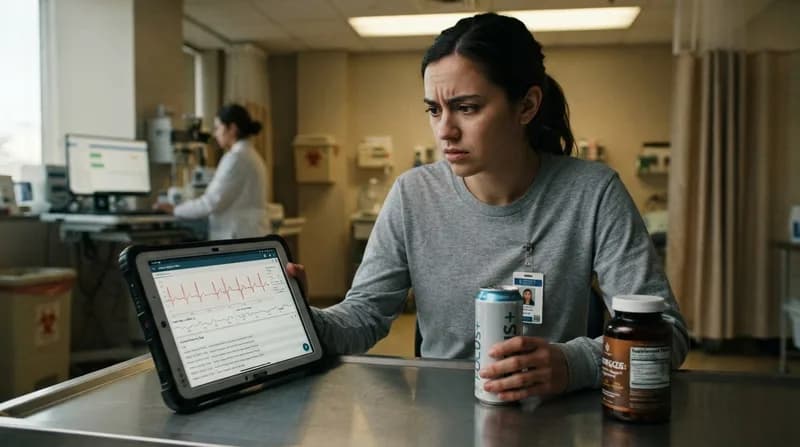
Medical professionals suggest that several factors may contribute to this vulnerability. Beyond high levels of caffeine, which can reach concentrations 12 times higher in some pre-workout supplements than in a standard cup of coffee, the context of use matters. Consumption patterns—such as mixing energy drinks with alcohol, heavy use before strenuous physical exertion, or potential underlying, undiagnosed heart conditions—may exacerbate the strain on the cardiovascular system.
Key Findings at a Glance
- Cardiac Arrest: Reported 11 times more often in association with stimulant-based products.
- Heart Attacks: Linked 4.5 times more frequently to energy drinks and supplements.
- Arrhythmias and Palpitations: Roughly 4 times more likely to appear in reports involving stimulants.
- Common Symptoms: Rapid heart rate, chest pain, and fainting were reported with significantly higher consistency in the stimulant-using cohort.
The Regulatory Grey Area
A significant portion of the debate surrounding these findings stems from how energy drinks are categorized in the United States. Because the FDA classifies these beverages and supplements as food or dietary products rather than pharmaceuticals, they are exempt from the stringent clinical safety trials required of medications. This distinction often creates a false sense of security among consumers who perceive these products as harmless, daily “pick-me-ups” rather than potent chemical stimulants.
Healthcare providers are now being encouraged to include detailed questions about energy drink and supplement consumption during routine checkups, especially for younger patients presenting with chest pain or unexplained fainting. As researchers continue to untangle the complex relationship between concentrated stimulants and heart health, the consensus remains that while occasional use may be well-tolerated by most, the cumulative effects of regular, heavy consumption—and the potential for exceeding safe daily caffeine thresholds—demand a higher level of awareness and regulatory oversight.