E-BUZZ ME Logo
ScienceTechnical Deep Dive

Ancient Ferns Fueled Catastrophic Wildfires During Triassic Mass Extinction

Published
Ancient Ferns Fueled Catastrophic Wildfires During Triassic Mass Extinction
1 min read133 words

The Gist

New fossil evidence reveals that resilient fern savannahs acted as recurring fuel for intense wildfires during the end-Triassic mass extinction.

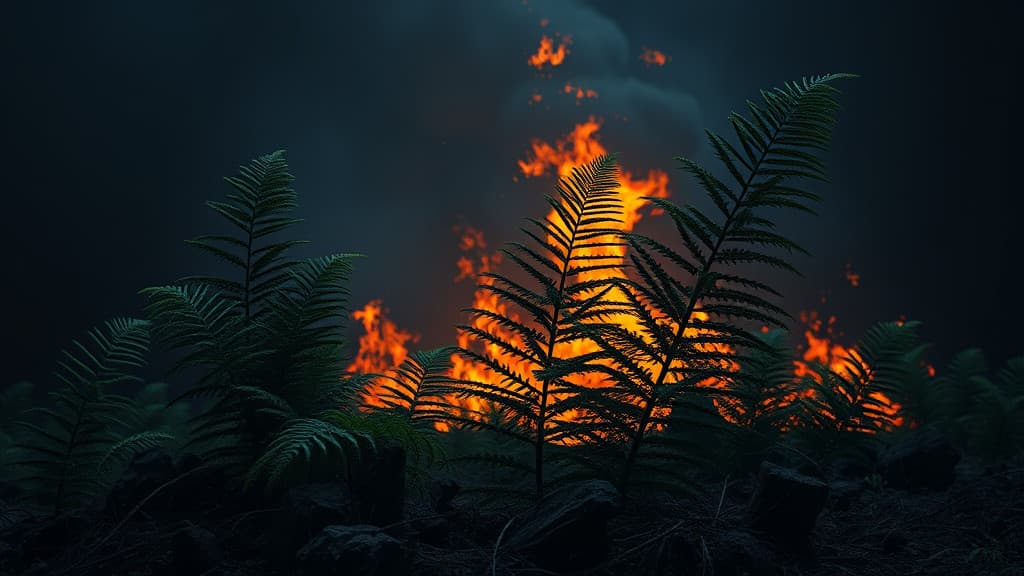
New scientific research suggests that ancient fern savannahs played a significant role in transforming parts of Europe into a wildfire-prone inferno during the end-Triassic mass extinction event. This period, known for its dramatic loss of biodiversity, was exacerbated by environmental conditions that favored highly flammable vegetation.

The Fern-Fire Cycle

Fossil evidence indicates that these ancient ferns possessed a unique resilience to fire. Rather than being permanently wiped out, the ferns repeatedly regrew in the wake of blazes. This rapid regeneration created a continuous cycle of fresh fuel, effectively prolonging the devastation across the landscape.

This discovery provides a deeper look into the ecological feedback loops of the Triassic period. The dominance of these fern-rich ecosystems likely contributed to the extreme heat and atmospheric changes that defined one of Earth's most significant extinction intervals.


Related Stories

Semantically matched articles, ranked by topic overlap and freshness.

Ancient 500,000-Year-Old Elephant Bone Hammer Rewrites Early Human Toolmaking History
Science66%

Ancient 500,000-Year-Old Elephant Bone Hammer Rewrites Early Human Toolmaking History

A rare discovery in England reveals that ancient humans crafted reusable hammers from elephant bone to sharpen stone tools nearly half a million years ago.

Shift in Climate Strategy: Why Ending Fossil Fuel Consumption Outweighs Production Limits
Science61%

Shift in Climate Strategy: Why Ending Fossil Fuel Consumption Outweighs Production Limits

While UK government plans for new North Sea drilling have sparked outrage among activists, experts argue that targeting global demand is more critical for the climate than restricting local supply.

Innovative Treadmill Therapy Shows Promise for PTSD Recovery
Science61%

Innovative Treadmill Therapy Shows Promise for PTSD Recovery

Researchers at the University of Alberta have found that combining physical motion with memory confrontation significantly improves PTSD treatment outcomes.

Genetic Factors Determine Cancer Outcomes Following DNA Damage
Science61%

Genetic Factors Determine Cancer Outcomes Following DNA Damage

New research suggests that inherited genetics play a critical role in whether DNA damage leads to cancer development.

Early Childhood Infections Linked to the Sibling Earnings Gap
Science60%

Early Childhood Infections Linked to the Sibling Earnings Gap

New research suggests that the lower average earnings of younger siblings may be driven by exposure to respiratory infections brought home by their older brothers and sisters.

Burnout Crisis: One in Ten Emergency Physicians Leaving the Specialty in Canada
Science59%

Burnout Crisis: One in Ten Emergency Physicians Leaving the Specialty in Canada

A new study reveals a growing healthcare crisis in Canada, with burnout driving 10% of emergency doctors to exit the field or significantly cut clinical hours.

Astronomers Detect Massive Wandering Black Hole via Stellar Destruction
Science59%

Astronomers Detect Massive Wandering Black Hole via Stellar Destruction

A supermassive black hole has been identified straying far from its galactic center after it was caught consuming a nearby star.

The Impact of Ultra-Processed Foods on Long-Term Brain Health
Science59%

The Impact of Ultra-Processed Foods on Long-Term Brain Health

New research highlights a concerning link between ultra-processed diets and increased risks of depression, anxiety, and dementia.