The Growing Financial Weight of GLP-1 Therapies
As the popularity of GLP-1 agonists—such as those used for diabetes management and weight loss—continues to skyrocket, a critical concern regarding patient affordability has emerged. A comprehensive study conducted by researchers at the Virginia Commonwealth University, recently published in the Journal of General Internal Medicine, highlights a startling trend: while these medications provide life-changing health outcomes, they are placing an increasingly heavy financial strain on the average American consumer.
By examining data from 2013 to 2023, the research team identified a nearly 15-fold increase in total U.S. health care spending on these drugs, ballooning to a staggering $65 billion. This surge reflects both the expansion of approved uses for these medications—ranging from kidney disease and heart health to obesity—and the sheer volume of new patients entering the market. With an estimated 30 million Americans now using these treatments, the study underscores that medical innovation is only as effective as the patient's ability to afford it.
The Disproportionate Impact on Vulnerable Populations
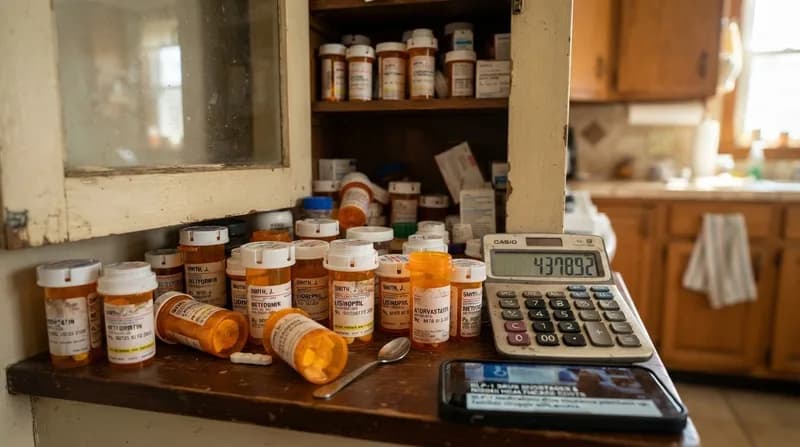
One of the most concerning revelations of the study is the uneven distribution of financial hardship. While the median out-of-pocket cost per user sits at approximately $1,500 annually, this number serves as an average that masks deeper systemic inequities. For many, the cost of these prescriptions is not just an inconvenience but a significant portion of their household budget.
The study found that nearly one in five users spends more than 10% of their total annual household income on these medications. Perhaps most alarmingly, the burden is felt most acutely by lower-income and uninsured populations. While these groups may technically pay less in absolute out-of-pocket dollars compared to privately insured patients, the relative impact is much higher, with nearly one in three individuals in these categories struggling to meet the high cost-to-income threshold. This discrepancy highlights a growing gap in health equity, where access to preventative and chronic care is increasingly dictated by financial status.
Context: Why This Matters
The absence of generic equivalents for these brand-name drugs keeps prices artificially high, leaving patients with little recourse. As clinicians and policymakers evaluate the future of public health, the following factors remain central to the ongoing discussion:
- The Absence of Generics: Because most GLP-1 drugs remain under patent protection as brand-name products, competitive pricing models cannot take effect, locking patients into high-cost cycles.
- Socioeconomic Inequity: The data demonstrates that out-of-pocket spending is not just a medical bill; it is a social determinant of health that threatens to widen existing gaps in medical outcomes.
- The Policy Pivot: Experts are now calling for a shift toward structural solutions, including drug price negotiations and expanded insurance coverage, to ensure that life-saving medication does not lead to financial ruin for families.
As we look toward the future, the integration of these findings into public policy could be the key to moving beyond the current crisis. By acknowledging that affordability is a core pillar of patient care, the healthcare industry can begin to advocate for systemic changes that prioritize the patient's long-term financial health alongside their physical well-being.