The Microgravity Gut Connection
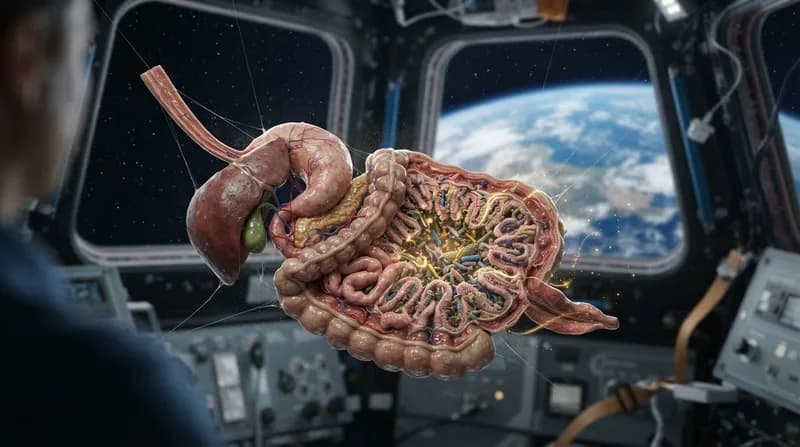
For decades, astronauts have grappled with a persistent, uncomfortable reality of space travel: chronic constipation. While the physical challenges of life in microgravity have been well-documented, the biological mechanisms behind digestive distress have remained largely opaque. A groundbreaking study conducted by the University of Copenhagen in collaboration with NASA has finally identified a primary culprit: a shift in the microbial landscape of the human gut.
By analyzing blood samples from 52 astronauts who spent months aboard the International Space Station (ISS), researchers observed that the gut microbiome undergoes a significant transformation shortly after leaving Earth's atmosphere. The study indicates that, in the absence of gravity, food transit time through the intestines slows down. This delay forces gut bacteria to shift their metabolic focus, moving away from fiber processing and toward protein fermentation.
The Mechanism of Protein Fermentation
Protein fermentation is a metabolic process that occurs when intestinal bacteria exhaust available dietary fiber and begin breaking down protein compounds instead. While this process happens on Earth, the microgravity environment appears to accelerate and sustain it. Because the lack of gravity diminishes the natural, coordinated muscle contractions known as peristalsis, food remains in the digestive tract for longer durations.
This stagnation provides the perfect environment for bacteria to ferment protein consistently throughout an astronaut's mission. The resulting metabolites—small molecules produced during this fermentation—enter the bloodstream, where they can be detected via advanced metabolomics. Researchers emphasize that these metabolites are not merely signs of digestive sluggishness; they are indicators of broader systemic changes that could impact everything from kidney function to cognitive focus and mood stability.
Why It Matters: Preparing for Mars
As space agencies turn their focus toward long-term missions to the Moon and Mars, understanding these biological shifts is no longer a niche concern. Extended transit times in deep space mean that crews will be exposed to these microbial disruptions for far longer than current ISS residents. Left unchecked, the negative health consequences associated with chronic protein fermentation—including potential inflammation and mental fatigue—could pose a severe risk to mission success.
Key Findings and Potential Interventions
- Metabolic Shift: Microgravity induces a sustained increase in protein fermentation as food transit slows through the digestive tract.
- Broad Health Implications: The metabolites produced may affect the gut-brain axis, potentially influencing anxiety, focus, and long-term organ health.
- Dietary Solutions: Researchers suggest that targeted interventions, such as increased fiber intake, prebiotic supplementation, or treatments that promote peristalsis, could mitigate these effects.
- Earth-Bound Benefits: The insights gained from astronauts are directly applicable to bedridden patients on Earth who suffer from similar digestive stagnation due to lack of movement.
A New Frontier for Earth-Bound Medicine
Perhaps most promising is that this research extends far beyond the confines of a spacecraft. The challenges faced by astronauts in microgravity share striking similarities with those of bedridden patients on Earth. By studying how the gut responds to reduced physical activity and environmental stress in space, scientists are uncovering new ways to treat chronic constipation and metabolic disorders in clinical settings. The ability to monitor these systemic changes through blood metabolites offers a non-invasive way to track gut health, providing a roadmap for future nutritional and therapeutic interventions that could improve the quality of life for millions back on the ground.