The Shift Toward Oral Therapy
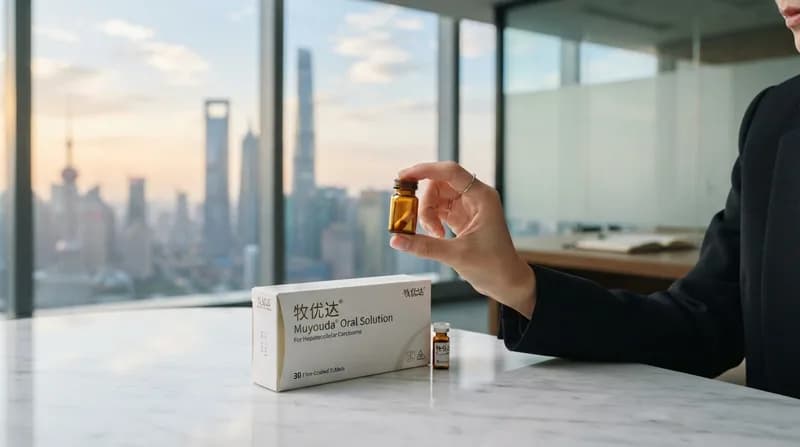
In a major development for global healthcare, China’s National Medical Products Administration has officially greenlit Muyouda, the first orally administered GLP-1 (glucagon-like peptide-1) medication for weight management in the country. Developed by the U.S.-based pharmaceutical leader Eli Lilly, this once-daily pill, known internationally as orforglipron, offers a non-invasive alternative to the injectable treatments that have dominated the market thus far. This regulatory milestone positions Eli Lilly at the forefront of a rapidly expanding market, significantly outpacing other international and domestic competitors.
GLP-1 receptor agonists function by mimicking naturally occurring gut hormones. By signaling to the brain to suppress appetite and improving the body’s ability to regulate blood glucose levels, these medications have proven highly effective in clinical settings. The transition from needle-based delivery to oral tablets is expected to improve patient compliance and accessibility significantly, removing a major psychological and logistical barrier to long-term weight management therapy.
The Critical Market Landscape
The approval comes at a time when public health data in China paints a sobering picture regarding metabolic health. Recent projections published in The Lancet indicate that the number of adults in China who are overweight or clinically obese could climb to 630 million by 2050. Furthermore, the National Health Commission has signaled an urgent need for intervention, estimating that over 65% of the total population could be classified as overweight or obese as early as 2030.
Why It Matters
- Convenience and Compliance: Moving from weekly injections to daily oral pills simplifies the treatment regimen for millions, potentially increasing the adoption rate of obesity therapies.
- Market Primacy: By beating major rivals like Novo Nordisk to this specific regulatory approval, Eli Lilly has secured a dominant early-mover advantage in one of the world's most populous nations.
- Broadened Access: With the prevalence of obesity reaching critical thresholds, the availability of a scalable pill format allows healthcare providers to scale treatments more efficiently than with refrigerated, injectable biologics.
Outlook and Implications
The authorization of Muyouda serves as a blueprint for the future of endocrinology and weight management. While injectables remain the gold standard for many, the successful deployment of a pill format demonstrates that clinical science is successfully pivoting toward more patient-friendly delivery mechanisms. As China scales its efforts to curb the rising tide of obesity-related comorbidities, the success of this oral medication will be closely watched by health economists and medical researchers worldwide. This approval not only signals a victory for pharmacological innovation but also underscores the escalating global necessity for accessible, effective metabolic interventions.