Revolutionizing Blood Pressure Management
Researchers at Queen Mary University of London have unveiled findings from the SCRATCH-HTN clinical trial, highlighting a groundbreaking, noninvasive approach to managing uncontrolled hypertension. The study centers on transcutaneous autonomic neuromodulation (tAN), a technique that targets the autonomic nervous system—the body's master regulator of blood pressure—by applying gentle electrical stimulation to the outer ear. This portable, patient-operated technology aims to provide a scalable alternative for those whose blood pressure remains stubbornly high despite adherence to traditional pharmacological treatments.
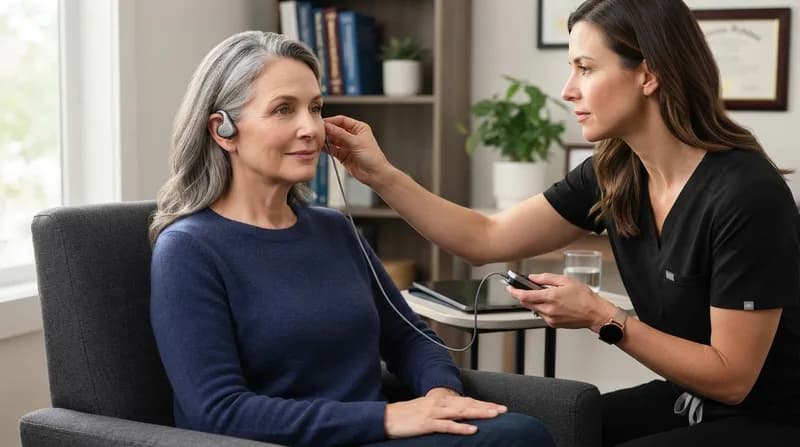
The study focused on a cohort of 63 participants, all of whom were already prescribed blood pressure medication but failed to meet target levels. By utilizing a specialized handheld device developed by Afferent Medical Solutions, patients were able to administer their own treatment sessions at home. The process involved attaching two clips to the tragus, the small cartilage flap at the front of the ear, to deliver targeted electrical pulses. The regimen required a 30-minute daily session for the first two weeks, transitioning to a weekly maintenance schedule for the subsequent ten weeks.
Understanding the Clinical Impact
While the overall trial population did not show a statistically significant reduction in blood pressure compared to the control group, the data revealed a crucial insight: patients entering the study with more severe hypertension showed a clear, measurable response to the active treatment. This suggests that while tAN may not be a one-size-fits-all solution, it holds significant potential for specific high-risk patient segments who are currently underserved by conventional medicine.
Dr. Ajay Gupta, the study's chief investigator, emphasized the importance of these results, noting that the technology is highly acceptable to patients and carries few risks. The high adherence rates recorded during the trial underscore the feasibility of incorporating such devices into daily routines, marking a departure from complex clinical interventions toward user-friendly, home-managed therapies.
Why it Matters
- Noninvasive Alternative: Unlike surgical options or intensive drug regimens, this device offers a gentle, external method of influencing the nervous system.
- Scalability: The simple, handheld nature of the hardware makes it a cost-effective and portable option for global health applications.
- Targeted Therapy: The trial highlights the need for a personalized medical approach, identifying that severity levels dictate the effectiveness of neuromodulation.
- Addressing Resistant Hypertension: Many patients suffer from cardiovascular risks like stroke and heart attack because their blood pressure remains resistant to standard medications, making this a critical area of research.
Future Outlook and Implications
The findings from the SCRATCH-HTN trial serve as a foundational step toward larger, more targeted clinical studies. By determining which specific patient demographics are most responsive to nerve stimulation, researchers hope to refine the treatment protocols for commercial or medical rollout. As cardiovascular disease remains a leading cause of morbidity worldwide, the development of supplemental therapies that leverage existing biological feedback loops, such as the autonomic nervous system, represents a significant shift toward the future of personalized, device-assisted cardiology.