The Hidden Connection Between Your Morning Brew and Your Brain
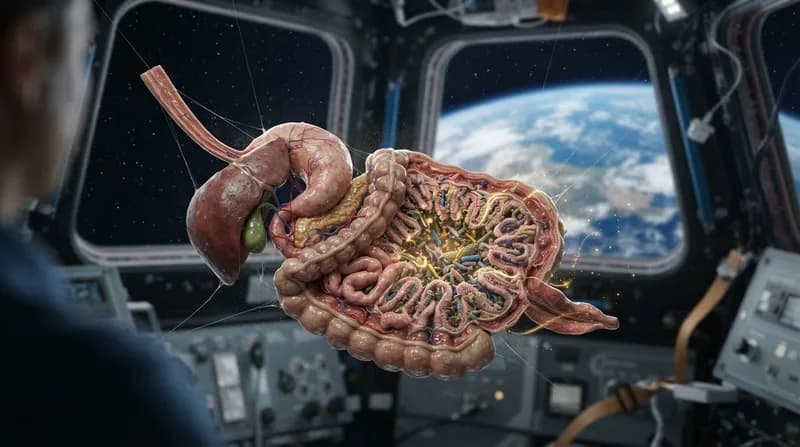
For most, coffee is a simple fuel—a bitter kickstart meant to push us through the morning slump. However, new research from APC Microbiome Ireland at University College Cork suggests the story is far more complex. The study, published in Nature Communications, indicates that coffee is a potent dietary factor that doesn't just stimulate the central nervous system; it actively remodels the gut microbiome, creating a profound downstream effect on our emotional and cognitive health.
By investigating the "microbiota-gut-brain axis," researchers have identified that coffee acts as a complex chemical messenger. It triggers a two-way communication pathway between the digestive tract and the brain, utilizing immune signals, hormones, and microbial metabolites to shift our psychological baseline. This suggests that the benefits of your daily cup go well beyond mere alertness, pointing toward a systemic influence on stress regulation and mental clarity.
The Metabolic Shift: Caffeinated vs. Decaffeinated
The study utilized a rigorous design, involving both coffee drinkers and non-drinkers, and tracked them through periods of abstinence followed by a controlled reintroduction of either regular or decaffeinated coffee. The findings were striking: both versions of the beverage contributed to lower reported stress, depression, and impulsivity. This indicates that while caffeine is a powerful psychoactive agent, other bioactive components—likely the thousands of polyphenols found in the coffee bean—are heavy lifters in promoting mental well-being.
When researchers delved deeper into the cognitive differences, they found distinct performance profiles for each. Participants who consumed decaffeinated coffee showed measurable improvements in learning and memory, suggesting that the non-caffeinated chemical constituents of coffee play a specific, constructive role in brain function. Meanwhile, the caffeinated group reported heightened vigilance, improved attention, and a reduction in anxiety, effectively debunking the myth that caffeine inherently triggers a nervous state when consumed in moderate, habitual amounts.
The Microbial Impact: Reshaping the Inner Ecosystem
The biological engine behind these changes resides in the gut. The researchers observed significant shifts in the abundance of specific bacteria, notably Eggertella sp. and Cryptobacterium curtum. The increase in these microbial populations suggests an altered digestive environment, potentially enhancing bile acid production and intestinal acid secretion. These changes may create a more hostile environment for harmful pathogens while fostering a balanced, resilient microbiome.
Why It Matters: The Future of Dietary Intervention
- Beyond Caffeine: Coffee is a complex, multi-component dietary factor, not just a caffeine delivery system.
- Mental Health Support: The link between gut-specific bacteria and emotional health (such as lower depression scores) opens new doors for using diet as a mental health support tool.
- Microbiome Diversity: Changes in the gut metabolite profile after coffee consumption prove that our diet has an immediate, physical impact on the microbes we host.
- Neuro-protection: With improved attention and memory markers, coffee's long-term role in cognitive health is becoming a focus of preventative research.
As the scientific community continues to map the gut-brain axis, coffee is emerging as a potential, accessible tool for gut health management. According to Professor John Cryan, the study’s principal investigator, we should stop viewing coffee as a mere habit and start recognizing it as a nuanced, complex dietary intervention. While more large-scale clinical trials are required, this research solidifies the idea that our morning ritual is essentially a daily bio-hack for our internal microbial ecosystem, supporting both our mood and our intellect in ways we are only just beginning to quantify.