E-BUZZ ME Logo
ScienceTechnical Deep Dive

Scientists Revive Legacy Antibiotic to Defeat Drug-Resistant Superbugs

Published
Scientists Revive Legacy Antibiotic to Defeat Drug-Resistant Superbugs
1 min read144 words

The Gist

Researchers have successfully restored the effectiveness of vancomycin by pairing it with a specialized molecule that bypasses bacterial defenses.

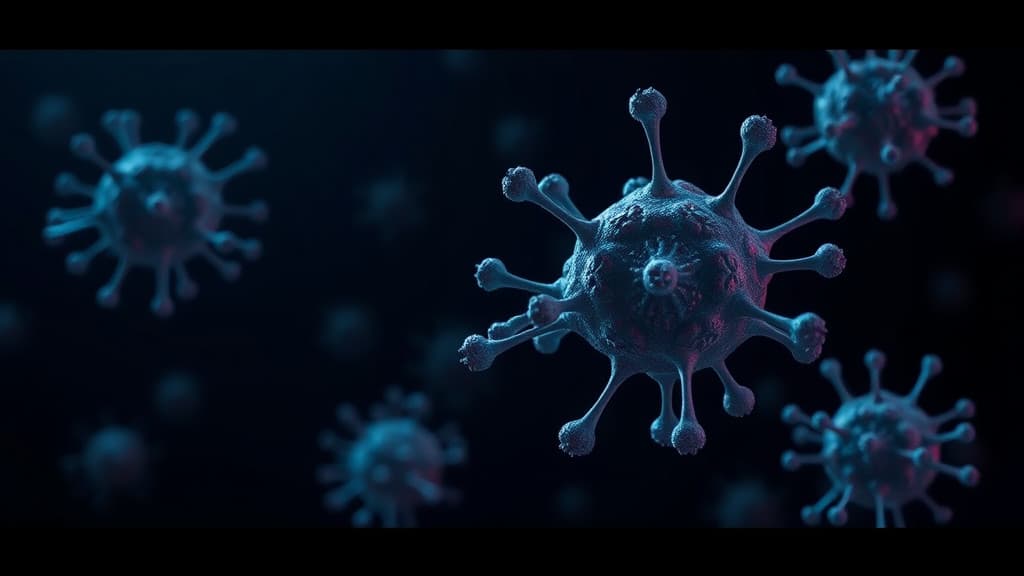
In a significant breakthrough for medical science, researchers have developed a method to reactivate vancomycin, a potent antibiotic that many dangerous pathogens had previously evolved to resist. This development offers a potential lifeline in the growing global crisis of antibiotic resistance.

The Power of Chemical Helpers

Rather than designing an entirely new drug from scratch—a process that is often costly and time-consuming—the team paired vancomycin with a small molecule known as pghi-4. This molecule functions by blocking a specific bacterial enzyme that allows pathogens to neutralize the antibiotic.

Targeting Drug-Resistant E. faecium

The study demonstrated that this combination effectively restored the drug's ability to eliminate resistant strains of Enterococcus faecium (E. faecium). Scientists believe this "chemical helper" approach could be adapted to rescue other failing antibiotics, providing a new strategy to combat the rise of superbugs without the immediate need for brand-new pharmaceutical classes.

Related Stories

Semantically matched articles, ranked by topic overlap and freshness.

Innovative Eye Implant and High-Tech Glasses Approved to Combat Vision Loss
Science65%

Innovative Eye Implant and High-Tech Glasses Approved to Combat Vision Loss

A breakthrough eye implant and smart glasses system has received European regulatory approval, offering hope to those suffering from severe age-related vision loss.

Ancient 500,000-Year-Old Elephant Bone Hammer Rewrites Early Human Toolmaking History
Science64%

Ancient 500,000-Year-Old Elephant Bone Hammer Rewrites Early Human Toolmaking History

A rare discovery in England reveals that ancient humans crafted reusable hammers from elephant bone to sharpen stone tools nearly half a million years ago.

Chinese University Probes Alleged Death in Gene-Editing Trial
Science63%

Chinese University Probes Alleged Death in Gene-Editing Trial

A Chinese university is investigating reports that a 6-year-old girl died during a gene-editing trial, an incident allegedly omitted from published research.

Ebola Cases Surpass 3,000 in Democratic Republic of Congo Outbreak
Science63%

Ebola Cases Surpass 3,000 in Democratic Republic of Congo Outbreak

Health officials in the DR Congo report a massive surge in Ebola infections, with cases exceeding 3,000 following a rapid spike in the last 10 days.

Working Memory Rapidly Re-Prioritizes After Distractions, New Study Reveals
Science62%

Working Memory Rapidly Re-Prioritizes After Distractions, New Study Reveals

A new study highlights the brain's remarkable ability to swiftly update working memory priorities to maintain focus on immediate tasks despite frequent interruptions.

Innovative Treadmill Therapy Shows Promise for PTSD Recovery
Science61%

Innovative Treadmill Therapy Shows Promise for PTSD Recovery

Researchers at the University of Alberta have found that combining physical motion with memory confrontation significantly improves PTSD treatment outcomes.

NASA Astronaut Chris Williams and Crew Return to Earth After Eight-Month Mission
Science61%

NASA Astronaut Chris Williams and Crew Return to Earth After Eight-Month Mission

NASA astronaut Chris Williams and two Roscosmos cosmonauts safely landed in Kazakhstan on Sunday, concluding a 240-day science mission aboard the International Space Station.

Sparkling Water vs. Soda: New Study Evaluates Impact on Dental Health
Science61%

Sparkling Water vs. Soda: New Study Evaluates Impact on Dental Health

A recent study suggests that unsweetened sparkling water is a significantly safer choice for dental health compared to sugar-sweetened carbonated beverages.