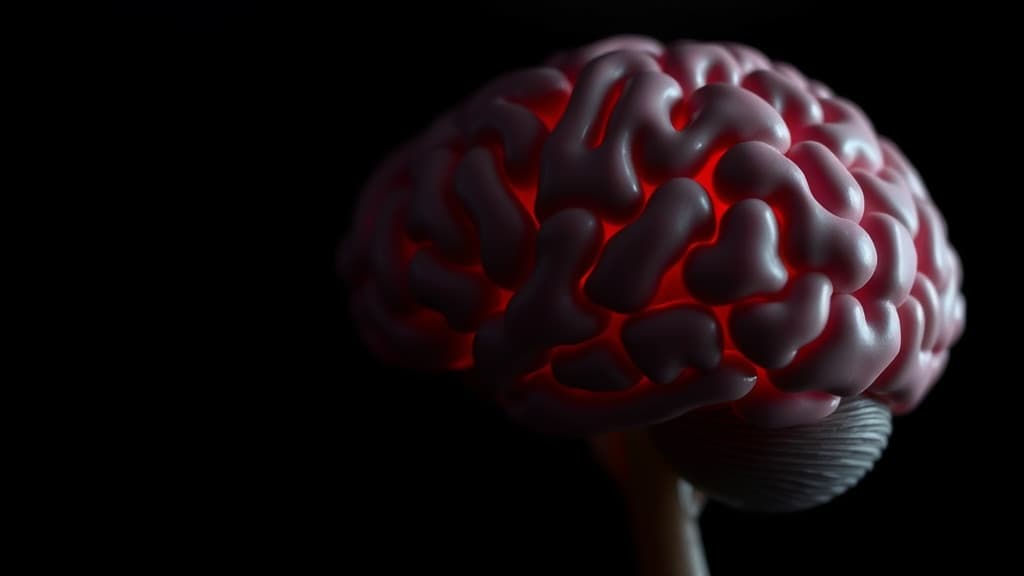
Researchers are making significant strides in personalized medicine for Alzheimer’s disease using patient-derived organoids, often referred to as 'mini-brains.' These miniature brain models, grown from the cells of individual patients, have demonstrated a remarkable ability to show how specific brain tissues respond to different pharmaceutical interventions.
Predicting Treatment Efficacy
In recent testing, these organoids revealed striking variations in how Alzheimer’s-related tissue reacts to an antidepressant. By observing these biological responses in a controlled, lab-grown environment, scientists can determine which treatments are likely to work for a specific patient before they are even administered.
The Role of Extracellular Particles
Beyond testing existing drugs, these organoids and the particles they release provide invaluable data for diagnosis. These biological signatures could eventually serve as biomarkers, helping clinicians diagnose the disease earlier and more accurately. This breakthrough represents a shift toward more tailored therapeutic strategies, potentially moving away from the 'one-size-fits-all' approach that has long characterized Alzheimer's care.