XPeng Accelerates China's Robotaxi Future
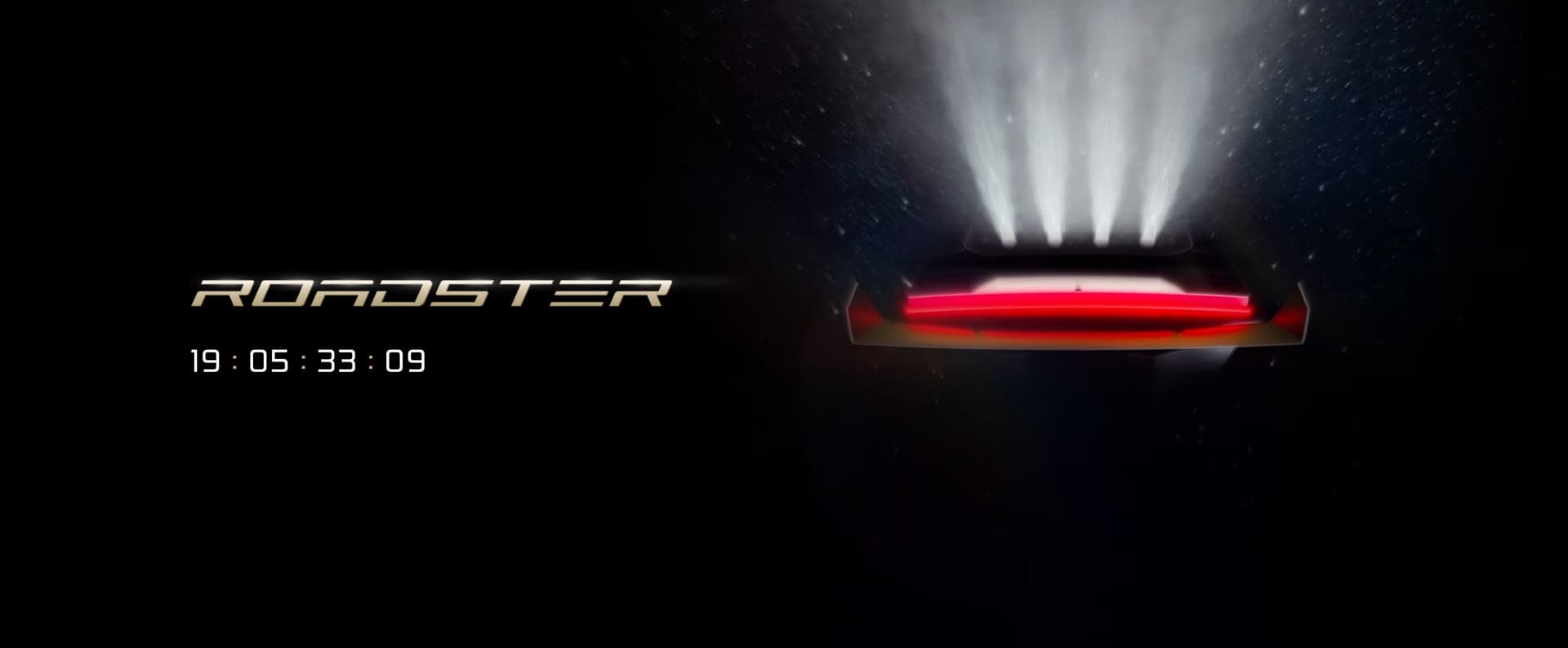
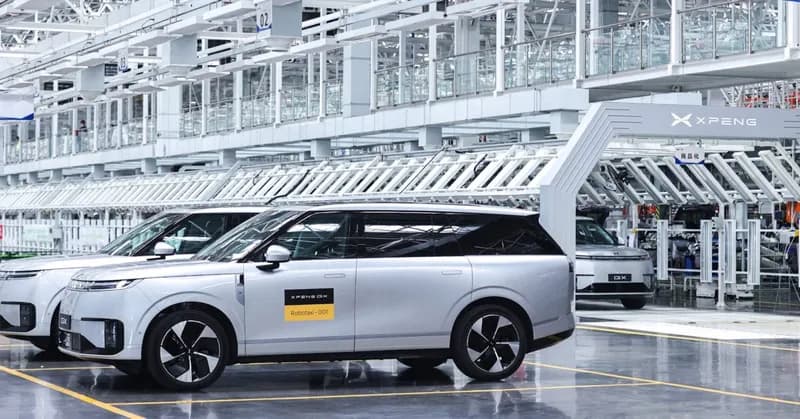
The race for autonomous mobility just got a major jolt in China. XPeng (XPEV) has officially announced the rollout of its first mass-produced robotaxi from its Guangzhou facility, claiming the title of the first automaker in China to achieve this milestone with a fully in-house developed, L4-capable vehicle.
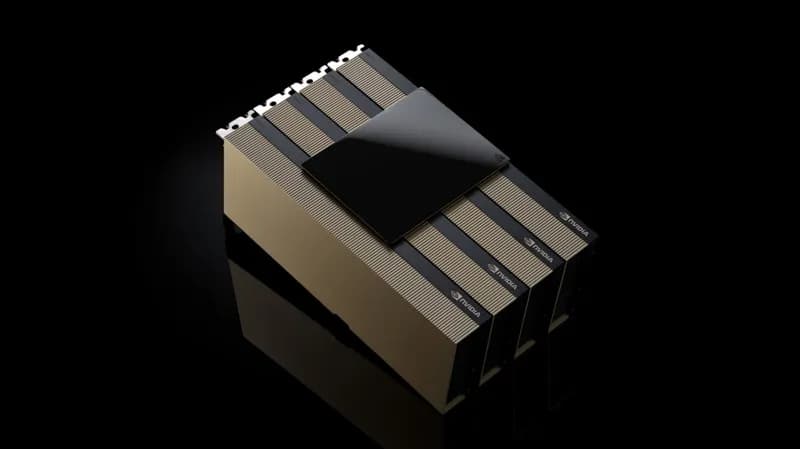
What makes XPeng's approach particularly intriguing is its unique platform strategy. Unlike competitors designing bespoke robotaxis from scratch, XPeng’s new autonomous vehicle is built on the same versatile GX platform underpinning its consumer flagship SUV. This shared hardware includes four powerful Turing AI chips delivering 3,000 TOPS of computing power, a Bosch steer-by-wire system, and robust safety redundancies.
Vision-First, LiDAR-Free
Perhaps the most distinctive feature is XPeng's "pure vision solution." This robotaxi operates entirely without LiDAR sensors or high-definition maps, relying instead on the company's advanced VLA 2.0 end-to-end AI model. This mirrors a bold, vision-first philosophy, promising reduced costs and streamlined development.
Ambitious Roadmap Ahead
With pilot operations slated for late 2026 and a goal for fully autonomous, safety-officer-free rides by early 2027, XPeng is making an aggressive push. While entering a competitive global and domestic field, XPeng's full-stack development—from chips to AI to manufacturing—positions it as a formidable contender aiming to redefine the future of urban transport.