The Great AI Chip Standoff Continues
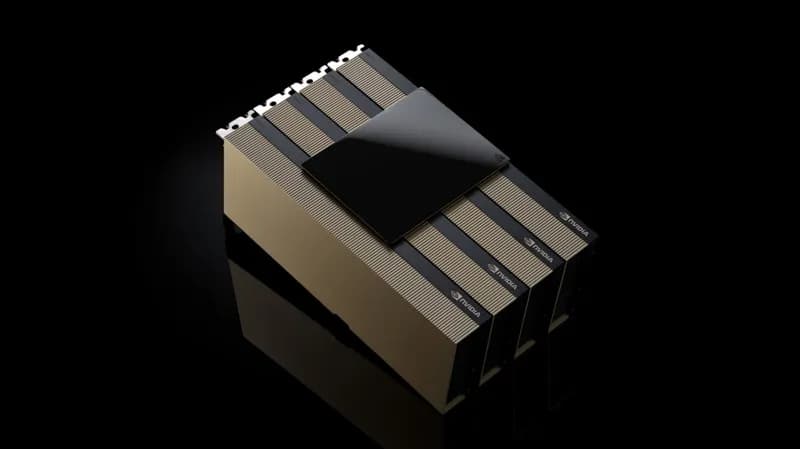
In a move that initially seemed to thaw tensions, the U.S. Commerce Department reportedly gave the green light to a consortium of leading Chinese tech giants, including Alibaba, Tencent, ByteDance, and JD.com, to acquire NVIDIA's highly sought-after H200 AI processors. This decision marked a shift from previous export blocks, allowing these firms access to NVIDIA's second most potent AI chip, a significant upgrade from earlier approved models like the H20.
However, the highly anticipated shipments of these powerful chips—which can number up to 75,000 units per company—have yet to materialize. A surprising development indicates that the Chinese companies have reportedly hesitated, pulling back from purchases following guidance from their own government. This unexpected pause introduces fresh complexity, with sources suggesting it's tied to undisclosed changes on the U.S. side and deeper concerns within Beijing.
China's apprehension extends beyond mere policy shifts. The nation is actively championing its domestic chip industry, urging local firms to adopt homegrown alternatives. Furthermore, the Chinese government reportedly harbors worries about potential hidden vulnerabilities within H200 chips, partly due to the U.S. government's reported financial stake in these sales. NVIDIA CEO Jensen Huang's recent visit to Beijing, alongside President Trump, underscores the high-stakes diplomatic and economic maneuvering underway. The question remains: will this high-level engagement pave the way for NVIDIA's advanced AI chips to finally reach the hands of their intended Chinese buyers?