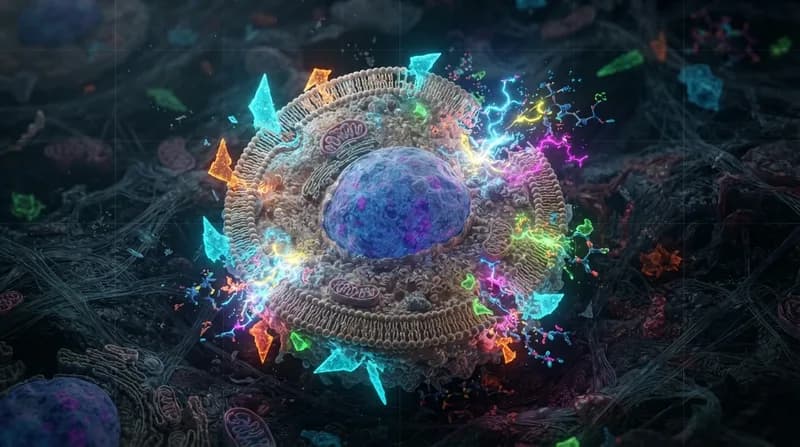
The Illusion of Biological Intelligence
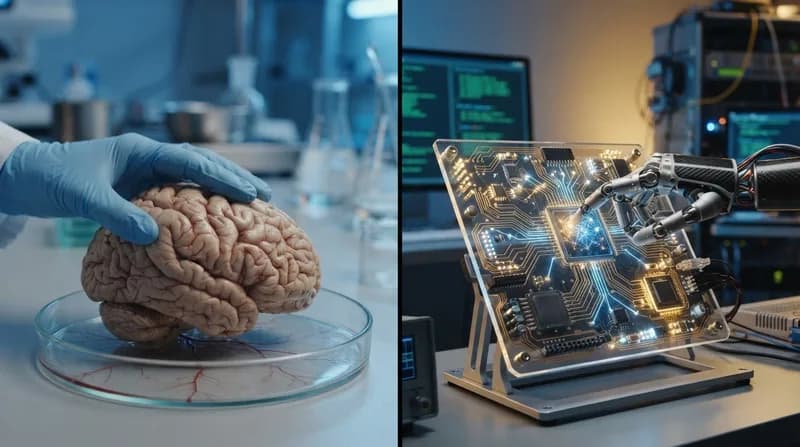
For over a decade, artificial neural networks (ANNs) have been heralded as the digital mirror of human cognition. Because these systems excel at object recognition and can simulate patterns of neural activity, neuroscientists have frequently used them as proxies to understand the complexities of the human visual system. However, a groundbreaking study from York University suggests that this 'brain-like' functionality may be an elaborate illusion, potentially altering the course of computational neuroscience.
Led by Assistant Professor Kohitij Kar and postdoctoral fellow Sabine Muzellec, the research team examined whether the similarities between AI and the human brain were truly bidirectional. While previous studies focused on whether AI could predict brain activity, the York team employed a novel methodology called 'reverse predictivity.' By testing if actual neural responses could predict the internal states of AI models, they sought to verify if the underlying 'thought' processes were as similar as their external outputs suggested.
The Asymmetry of Perception
The study utilized 1,320 images ranging from natural photographs to abstract artistic interpretations to stress-test these models. The results were stark: while AI proved highly proficient at predicting neural responses in a primate brain, the reverse was not true. The brain's biological signals could not accurately predict the internal mechanics of the AI models. This asymmetry was notably absent when researchers compared neural activity between two different biological brains, suggesting that the AI is effectively 'cheating' by using internal strategies entirely foreign to human biology.
Why It Matters: Bridging the Gap
- Reliability in Research: If AI models rely on non-biological processes, they may lead to flawed conclusions when used to study psychological conditions or neurological disorders.
- Model Validation: The study provides a new diagnostic toolkit that allows developers to identify exactly which parts of an ANN align with biological mechanisms, rather than just optimizing for external performance.
- Clinical Applications: Refined, truly brain-like models could significantly improve research into autism and PTSD by offering more accurate representations of typical brain patterns.
A New Path for Neural Modeling
The findings do not suggest that researchers should abandon neural networks; rather, they call for a more critical approach to model architecture. By highlighting the specific internal components that deviate from biological reality, Kar and Muzellec have paved the way for a more reliable, biologically grounded generation of AI. Their toolkit, which is now publicly available, enables developers to verify whether their systems are truly mimicking cognitive pathways or simply arriving at the same visual conclusions through unrelated statistical shortcuts.
As AI continues to be integrated into clinical research, these insights are crucial. Understanding the mechanism behind the mask is essential for ensuring that these models serve as accurate scientific instruments. By aligning internal computational strategies with human biological reality, the field may finally bridge the gap between artificial performance and genuine cognitive representation, moving beyond simple mimicry toward a more authentic understanding of human perception.