A New Understanding of Plastic Toxicity
For decades, plastics have been lauded for their chemical stability, a property that makes them ideal for everything from food packaging to medical devices. However, this long-held assumption of inertness is being dismantled by a new study from researchers at Columbia University and the University of California, Berkeley. The research suggests that as plastic fragments into microscopic particles, it undergoes a transformation that makes it anything but passive.
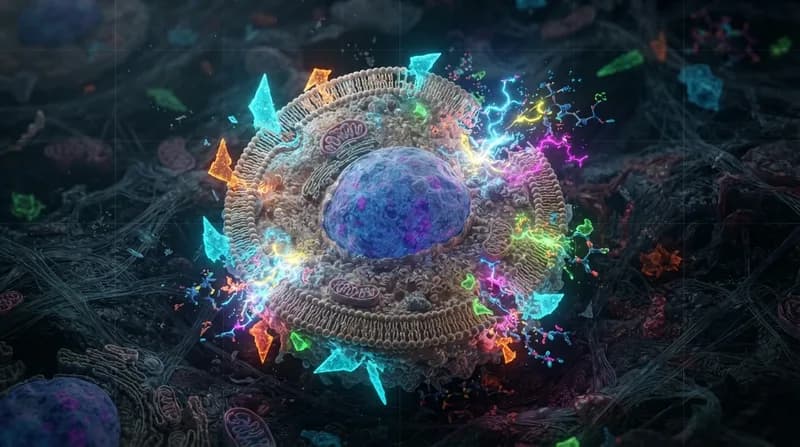
The study, published in the journal Nature, reveals that microplastics—and their even smaller counterparts, nanoplastics—actually interact with water to generate highly reactive molecules known as reactive oxygen species (ROS). These radicals are notorious for their ability to damage biological tissues and cellular structures, offering a potential explanation for the growing body of evidence linking microplastic exposure to serious health outcomes like heart attacks, strokes, and neurological disorders.
The Role of Surface Area and Water Chemistry
The core of the issue lies in the massive increase in surface area that occurs as plastic breaks down. When a larger piece of plastic fragments into millions of tiny particles, the total surface area exposed to the surrounding environment expands exponentially. Because many common plastics are hydrophobic, they repel water, creating a unique boundary layer where chemical reactions are significantly amplified.
According to the research team, this boundary layer encourages the movement of electrons between chemical species, which leads to the formation of hydroxyl radicals. In this scenario, water is not merely a passive medium; it acts as a central player in the chemical transformation. The researchers utilized advanced molecular simulations to show that negatively charged hydroxide ions concentrate near the hydrophobic surface of the plastic. This concentration facilitates the loss of electrons, resulting in the creation of these highly reactive and potentially toxic radicals that can degrade human and animal cells.
Why it Matters
- Beyond Physical Obstruction: We now understand that microplastics may cause damage through chemical reactivity, not just by physically blocking biological processes.
- Widespread Exposure: These reactions occur in environments as common as bottled water, where hundreds of thousands of plastic fragments can be detected.
- Potential for Redesign: By understanding the specific chemistry of these reactions, engineers could potentially redesign plastics to reduce their reactivity, leading to safer materials.
- Public Health Implications: This discovery provides a concrete mechanism for the medical conditions frequently associated with high microplastic accumulation in human tissues.
Pathways to Future Solutions
The discovery of this hidden chemical pathway does more than just highlight a new risk; it provides a roadmap for mitigation. By identifying that the chemical reactivity is tied to the hydrophobic nature of these materials, scientists are better positioned to develop new engineering strategies. The goal is to move toward designing commodity plastics that remain chemically stable even when they inevitably degrade into micro-sized particles.
As these findings gain traction, they add significant weight to the growing global discourse on plastic regulation. With microplastics now appearing on federal lists of concern for drinking water and major research initiatives focusing on their impact on human health, this study provides the missing link that connects environmental pollution to clinical biological damage. Moving forward, the focus will likely shift toward both reducing plastic usage and engineering materials that do not pose such severe, hidden chemical threats to the ecosystems and individuals they encounter.