A New Frontier in Precision Oncology
For decades, cancers driven by mutations in the RAS gene were widely considered 'undruggable.' These mutations act like a faulty light switch locked in the 'on' position, constantly signaling cells to proliferate uncontrollably. However, emerging data from the AURORAS-1 Phase I clinical trial suggests that the medical community has finally cracked the code. A new investigative drug, ERAS-0015, has demonstrated both safety and significant antitumor activity, offering a potential lifeline for patients with limited therapeutic options.
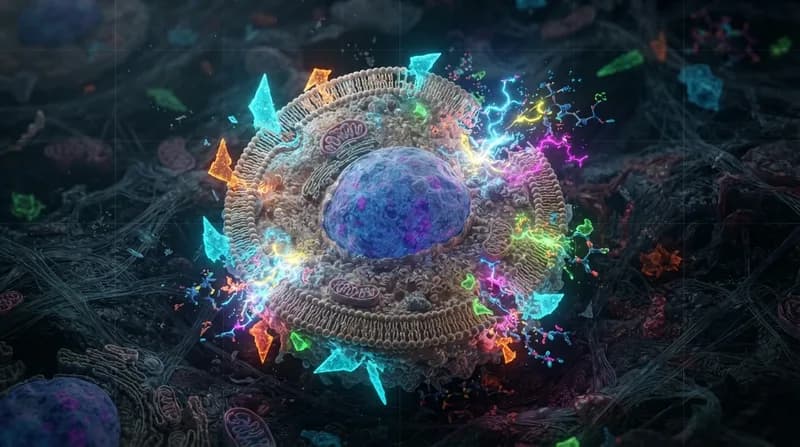
ERAS-0015 functions as a 'pan-RAS molecular glue.' Rather than simply competing with other molecules, this drug works at the molecular level to stabilize specific protein complexes. By binding to the RAS 'switch' in its active state, the drug effectively mutes the persistent growth signals that fuel malignant tumor development. This precision approach represents a shift toward targeted oncology, where treatments are designed to address the specific genetic 'Achilles heel' of an individual's cancer.
Clinical Trial Performance and Patient Response
The preliminary results shared at the 38th EORTC-NCI-AACR Symposium in Barcelona are striking. In a cohort of 148 patients who had previously exhausted standard treatments, ERAS-0015 triggered notable tumor shrinkage. Specifically, the study observed a 44% response rate in participants with RAS-mutant pancreatic cancer and a 60% response rate in those with RAS-mutant non-small cell lung cancer (NSCLC).
Researchers involved in the trial noted that the drug was generally well-tolerated. While common side effects such as rash, nausea, diarrhea, and mouth inflammation were reported, the frequency of severe (grade 3 or higher) adverse events was limited to approximately 9.8% of the cohort. Crucially, the trial has not yet reached a maximum tolerated dose, even as researchers scaled administration up to 40 mg, suggesting a favorable safety profile compared to traditional systemic chemotherapy regimens.
Why It Matters: The RAS Challenge
- Hard-to-Treat Targets: RAS mutations are common drivers in some of the most aggressive solid tumors, including lung, pancreatic, and colorectal cancers.
- Molecular Glue Technology: Unlike traditional inhibitors, 'molecular glue' drugs offer a unique mechanism of action that can overcome the structural challenges previously associated with RAS proteins.
- Clinical Impact: The 44% and 60% response rates represent a meaningful advancement for patient populations that have historically had very few, if any, effective treatment paths remaining.
The Road Ahead: Scaling the Research
While these initial Phase I results are highly encouraging, the medical community remains cautious yet optimistic. Phase I trials are designed primarily to assess safety and determine dosing, meaning the sample sizes are relatively small. To confirm that ERAS-0015 can provide durable, long-term benefits across broader demographics, the drug must now move into larger-scale Phase II and Phase III clinical trials. These subsequent stages will investigate not only the monotherapy’s efficacy but also its potential when combined with other existing anticancer treatments.
As the scientific community continues to analyze the AURORAS-1 data, the success of ERAS-0015 serves as a proof-of-concept for the entire field of molecular glue therapeutics. If these early findings hold up in later testing, the medical landscape for RAS-driven diseases could undergo a seismic shift, providing clinicians with a powerful, targeted tool to fight some of the most stubborn forms of cancer.