Reimagining a Classic Icon
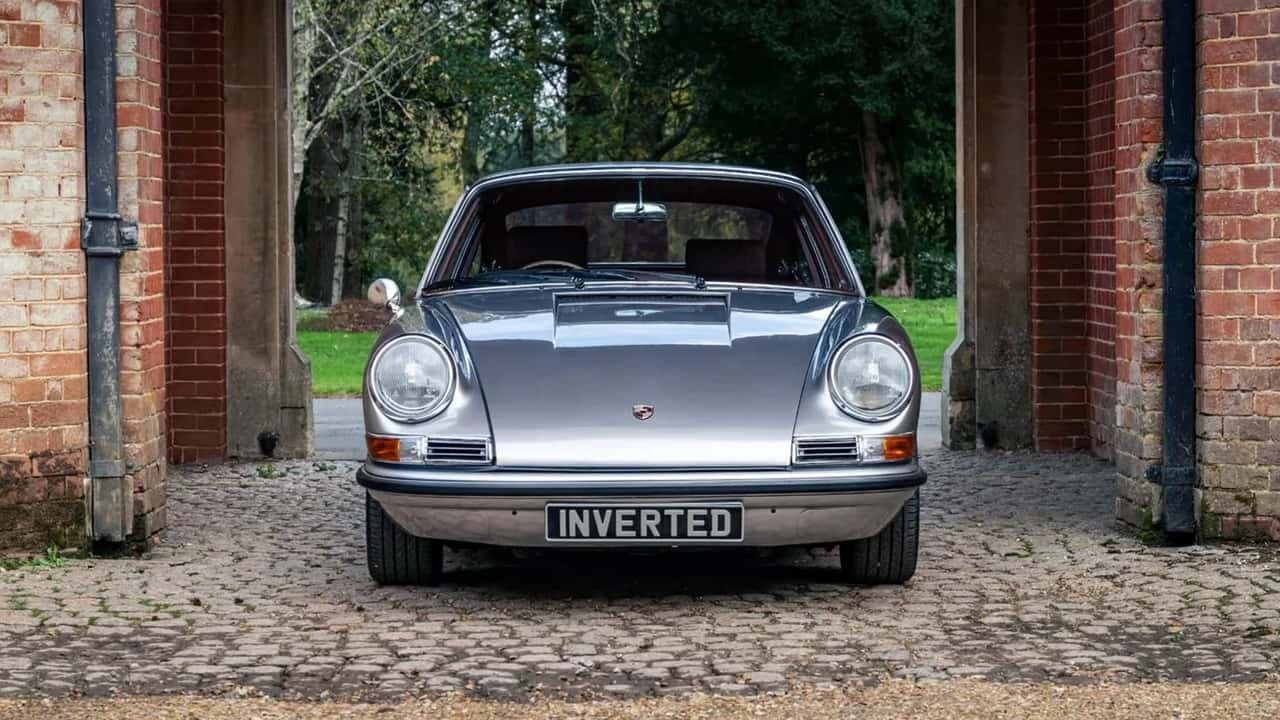
The conversion scene has reached a new peak with the latest project from Inverted, a company renowned for its bespoke electric swaps. By taking a 1967 Porsche 912 and replacing its vintage internal combustion engine with a modern electric powertrain, the firm has successfully bridged the gap between iconic 1960s design and contemporary performance standards. While the exterior retains the timeless silhouette that enthusiasts adore, the mechanical soul of the vehicle has been entirely overhauled to provide a driving experience that far exceeds the original manufacturer's specifications.
Engineering the Balance
One of the primary challenges in electric vehicle conversions—particularly for rear-engine platforms like vintage Porsches—is managing weight. Adding a heavy battery pack to the back can drastically alter the handling characteristics, often exacerbating issues like lift-off oversteer. To combat this, Inverted implemented an innovative split-battery architecture. By distributing the 62 kWh battery pack between the rear engine bay and a compartment under the front hood, the team has achieved an optimal weight balance that actually improves upon the car's original chassis dynamics.
Performance and Modern Amenities
The performance upgrades are nothing short of transformative. The electric motor, situated at the rear, produces 300 horsepower, a massive leap from the modest 90 horsepower offered by the 1967 four-cylinder engine. This allows the modified 912 to achieve a 0-60 mph sprint in just four seconds, compared to the original's 13-second timing. Despite the surge in power, the vehicle remains practical for daily use, offering a 250-mile range and support for 75 kW DC fast charging.
Technical Specifications
- Powertrain: Rear-mounted electric motor
- Output: 300 Horsepower
- Battery Capacity: 62 kWh (split-pack configuration)
- 0-60 mph: Approximately 4 seconds
- Range: Estimated 250 miles
- Charging: 75 kW DC fast charging capability
Inside the cabin, the vintage aesthetic remains intact but is reimagined for the electric era. The dashboard features modified gauges that provide essential EV data while respecting the original instrument cluster's design language. The classic tachometer has been repurposed to display power output, while the fuel gauge now monitors the state of charge of the battery. This meticulous attention to detail ensures that the driver experiences a seamless blend of heritage styling and modern functionality, making this restomod a compelling option for those who crave the visceral connection of a classic car without sacrificing reliability and performance.