Building a Transparent Future for Electric Transport
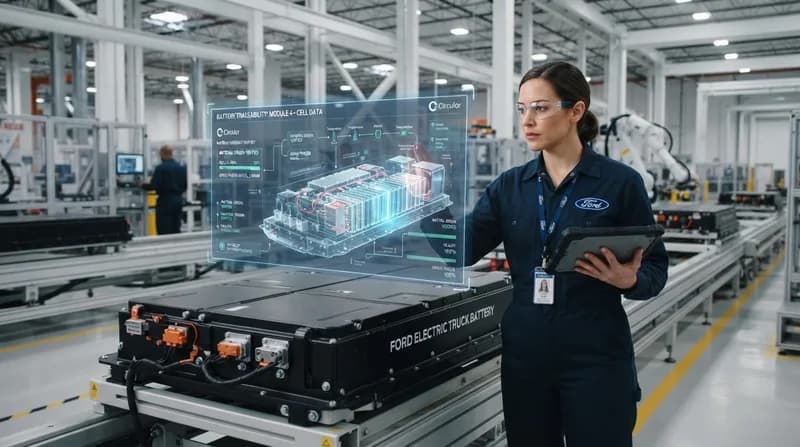
As the European Union moves closer to its strict 2027 mandate for digital battery passports, Ford Trucks—operated by the joint venture Ford Otosan—is taking proactive steps to ensure compliance. The manufacturer has officially announced a strategic partnership with Circulor, a specialist in supply chain transparency, to build the digital infrastructure necessary to track, document, and verify the origin and lifecycle of materials used in its electric commercial vehicle batteries.
This collaboration focuses on creating a robust data foundation. By leveraging Circulor’s platform, Ford Otosan aims to systematically record information across its supply chain, from the raw material extraction sites to the final assembly of the battery packs. This process is not just about logging data; it involves a rigorous assessment of supply chain risks, where materials or production sites identified as high-risk will be subject to additional scrutiny and independent third-party audits. This level of granular visibility is essential for meeting the stringent sustainability and ethical standards required by upcoming EU regulations.
The Road to 2027: Regulatory Compliance
Starting February 18, 2027, the EU Battery Regulation (EU) 2023/1542 will make digital battery passports mandatory for all traction batteries used in electric vehicles. Each battery will feature a unique QR code, acting as a digital twin that grants authorized parties access to critical information regarding technical specifications, performance metrics, durability, and, most importantly, sustainability and recycling data.
Why it Matters
- Regulatory Readiness: Ensures Ford Otosan meets the EU's 2027 deadline for mandatory battery transparency.
- Lifecycle Management: Provides a cradle-to-grave view of battery health, aiding in recycling and secondary-use strategies.
- Supply Chain Ethics: Imposes a higher standard of accountability for the sourcing of critical battery minerals.
- Standardization: Harmonizes data collection processes across the complex supply chains of heavy-duty electric vehicle manufacturing.
For a company like Ford Otosan, which recently launched its F-Line E series, this initiative is about more than just checking a regulatory box. The F-Line E, available in 19-tonne and 26-tonne configurations, relies on high-capacity NMC (Nickel Manganese Cobalt) batteries. Ensuring these batteries are fully "passported" allows fleet operators and secondary market buyers to verify the battery's history, which is crucial for determining residual value and long-term sustainability as the vehicle moves through its service life.
Proven Expertise in Battery Tracking
Circulor is not entering this space as a newcomer. The British firm has already established its credibility through successful projects, most notably its partnership with Volvo to pioneer the battery passport for the EX90. Having supported the traceability of materials for over 1.4 million vehicles to date, the company brings a wealth of experience in data management and supply chain auditing. By applying these proven methodologies to Ford Trucks, Ford Otosan is positioning itself to be a leader in the commercial EV space, demonstrating that heavy-duty electrification can be both efficient and transparent.