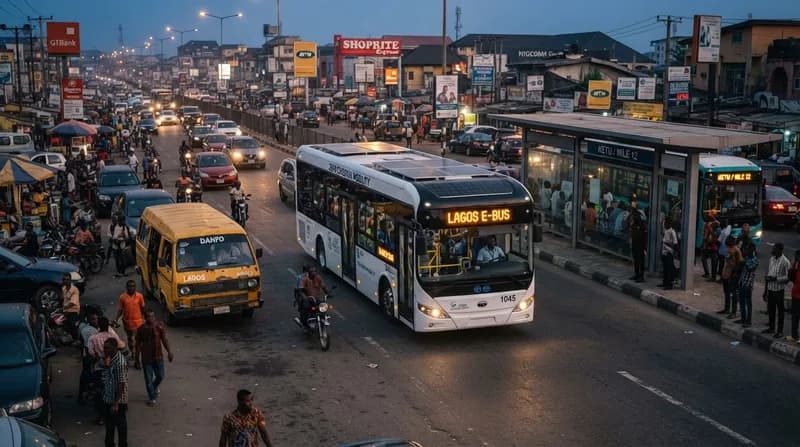
Scaling Up Sustainable Transit in Lagos
The Lagos Metropolitan Area Transport Authority (LAMATA), in partnership with Oando Clean Energy Limited (OCEL), has officially introduced eleven new electric buses into the city’s public transit network. This deployment serves as a major milestone, representing the inaugural batch of 50 electric buses scheduled for delivery under their current procurement agreement. This expansion marks a transition from small-scale testing to a more robust, integrated approach to municipal electrification.
This initiative follows a successful two-year pilot program that launched in 2023. During that initial trial, two test vehicles were deployed to analyze technical reliability, passenger reception, and the environmental impact of electric propulsion within the unique, high-traffic urban landscape of Lagos. The data gathered from those early efforts has been instrumental in shaping the current deployment strategy and long-term infrastructure planning.
Infrastructure and Long-Term Vision
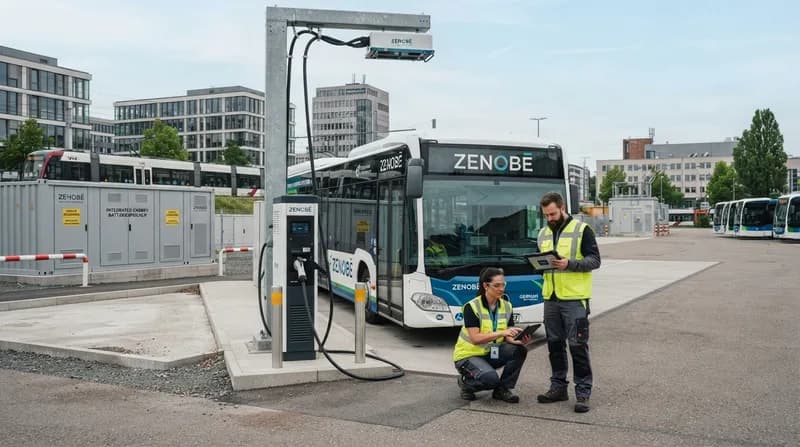
Beyond the simple acquisition of vehicles, the collaboration between LAMATA and Oando Clean Energy is designed to foster a sustainable local ecosystem for electric mobility. The partners are actively developing the necessary supporting infrastructure, including a network of dedicated charging stations and specialized maintenance facilities. Furthermore, the plan includes comprehensive training programs for technical staff to ensure the long-term reliability of the fleet, alongside a streamlined supply chain for spare parts.
The project, which enjoys backing from significant financial institutions including the Bank of Industry and Wema Bank, alongside technical support from Chinese manufacturer Yutong, signals a broader ambition. The ultimate goal is to scale the operation to a fleet of 552 electric buses across major transport corridors. The overarching objective remains consistent with the Lagos State Government’s commitment to achieving net-zero carbon emissions by 2050.
Why it Matters
- Emission Reduction: By transitioning public transport away from internal combustion engines, Lagos aims to significantly lower the urban air pollution that plagues many of the world's fastest-growing megacities.
- Local Economic Growth: The commitment to establishing local assembly plants and training technical personnel creates a foundation for a homegrown EV manufacturing sector in Nigeria.
- Scalability: The shift from a two-bus pilot to a 552-bus roadmap demonstrates a clear path for African cities to adopt high-tech, sustainable transit solutions at scale.
While the project has evolved from earlier, more ambitious proclamations—including previous discussions involving a much larger fleet—the current focus on a concrete, manageable expansion suggests a more pragmatic and sustainable growth strategy. The integration of these eleven buses provides a real-world testing ground that will continue to inform how the city scales its infrastructure to meet the demands of one of the most populous urban environments on the planet.