The Shift to Premium Hybrid Power
For years, Hyundai and Kia have dominated the market with a robust lineup of hybrid vehicles, successfully capturing a significant share of eco-conscious consumers. Genesis, the luxury division of the Hyundai Motor Group (HMG), is finally joining its siblings in this high-growth sector. By announcing the new G80 and GV80 hybrids, Genesis is signaling a clear pivot toward offering premium, electrified options for customers who aren't quite ready to commit to a full-battery electric vehicle (BEV) but still demand superior efficiency and performance.
This strategic move comes at a time when the automotive industry is recalibrating its path toward full electrification. While Genesis has previously experimented with pure EVs like the G80 Electrified, the introduction of these hybrid variants aims to bridge the gap between traditional combustion engines and the future of long-range, gas-generator electric vehicles.
1. The Genesis G80 Hybrid
The G80 sedan, a direct challenger to established stalwarts like the BMW 5 Series and the Mercedes-Benz E-Class, is receiving a major powertrain upgrade. By integrating a parallel hybrid system with its 2.5-liter turbocharged engine, the new G80 hybrid produces a healthy 347 horsepower. This setup is designed to provide a more refined driving experience, offering a significant 30% increase in fuel efficiency compared to the standard four-cylinder gas-only variant.
Refinement remains at the forefront of the design. Unlike many mainstream hybrids that utilize electronic continuously variable transmissions (e-CVTs), the G80 Hybrid opts for a seven-speed automatic transmission. This choice aims to maintain a more traditional, tactile shifting feel that aligns with the expectations of the luxury sedan market. Combined with a standard all-wheel-drive system, the vehicle promises a balance of luxury, capability, and efficiency.
2. The Genesis GV80 Hybrid
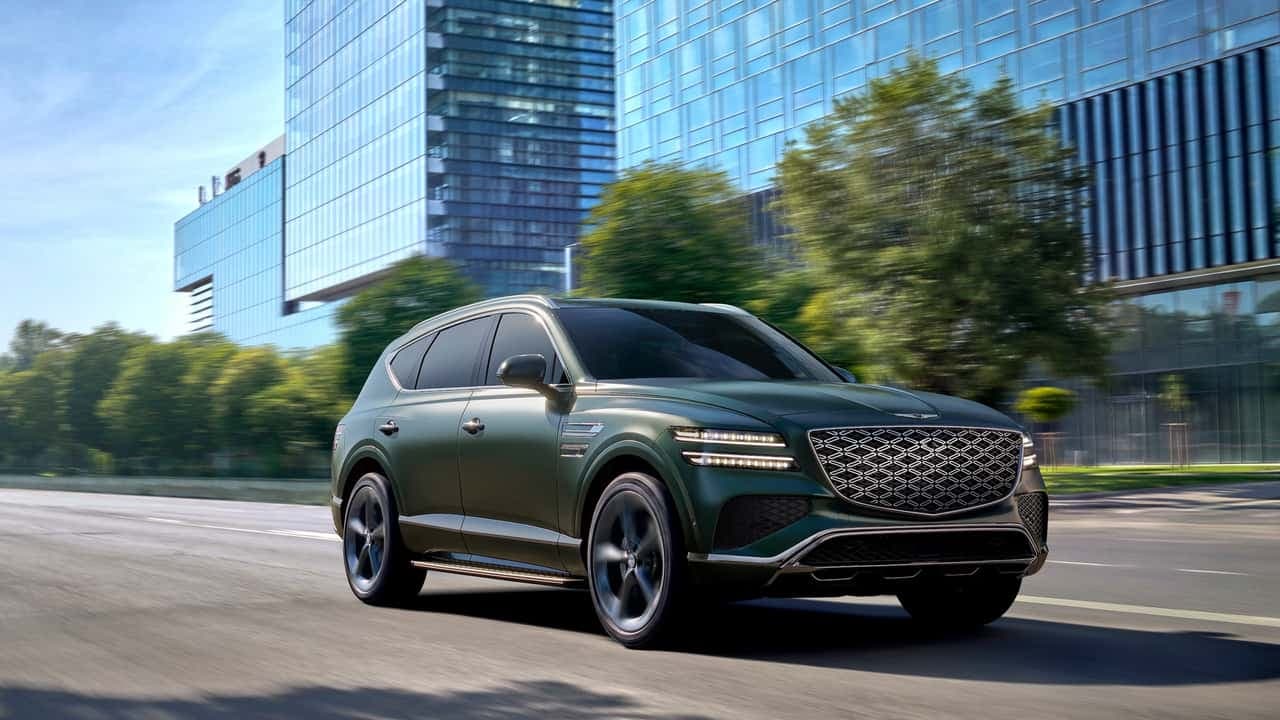
As the brand’s quintessential luxury SUV, the GV80 has historically been limited to internal combustion powertrains. The new hybrid model changes that narrative, slotting perfectly between the base 2.5-liter engine and the performance-oriented twin-turbo V6. With a combined output of 347 horsepower, the GV80 Hybrid delivers a 24% gain in fuel efficiency over the traditional gasoline version, proving that luxury and sustainability can effectively coexist in a larger, heavier frame.
A critical piece of technology within both the G80 and GV80 hybrids is the introduction of liquid-cooled battery packs. This represents a significant departure from the passive air-cooling systems typically found in standard hybrids. By leveraging active liquid cooling—a technology adapted from the company’s high-performance EV platforms—Genesis ensures greater thermal stability and improved energy extraction from the battery, ultimately enhancing the long-term reliability and efficiency of the hybrid system.
Why it Matters
- Tech Advancement: These vehicles are the first in the Hyundai Motor Group to utilize liquid-cooled hybrid batteries, mirroring advanced EV engineering standards.
- Market Strategy: The introduction of these models acknowledges a softening in pure-EV demand while doubling down on fuel-sipping luxury.
- Feature Set: New capabilities include a dedicated "Stay" mode, which permits the use of HVAC and infotainment systems without engaging the gas engine, plus a limited EV-only cruising mode.
Outlook: The Road to 2027
While the G80 and GV80 hybrids mark a major step for the brand, Genesis is already looking further down the road. The company has confirmed plans for Extended Range Electric Vehicles (EREVs) to arrive by 2027. These future models will function as true electric vehicles where the gasoline engine acts purely as a power generator, promising a massive combined range of over 640 miles. As Genesis prepares to integrate these next-generation platforms, the current hybrid launches serve as a bridge to a more electrified future.