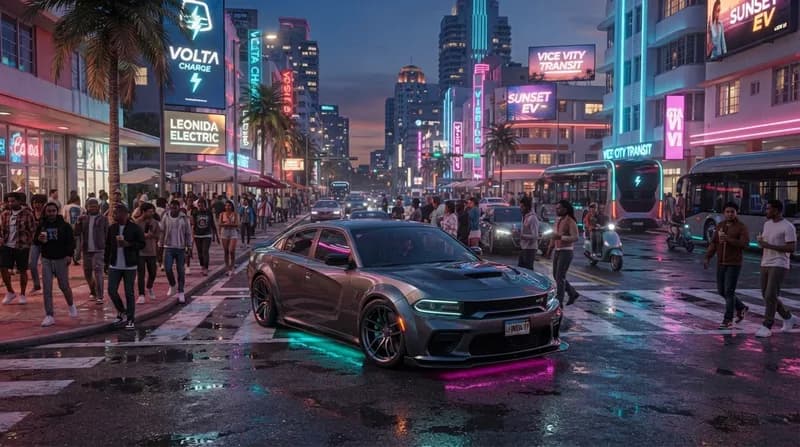
Virtual Infrastructure Meets Real-World Hype
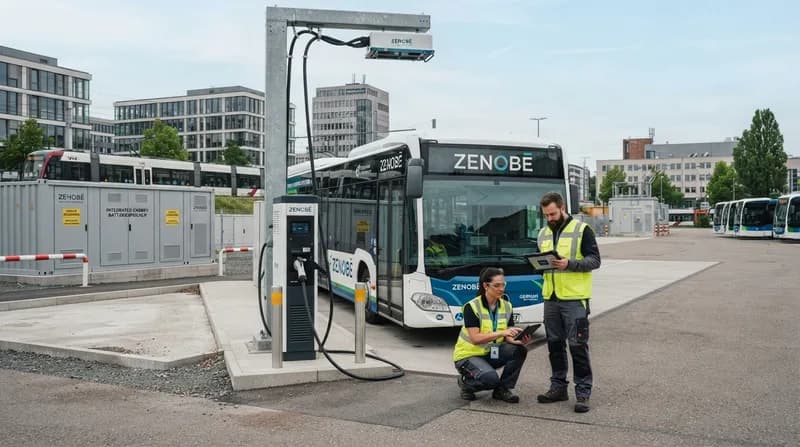
The long-awaited arrival of Grand Theft Auto VI has sparked a cultural phenomenon that extends far beyond the gaming community. As players dive into the neon-soaked streets of Vice City and the sprawling landscapes of Leonida, they are encountering a surprisingly nuanced integration of modern automotive technology. For the first time in the series, electric vehicles are more than just cosmetic additions; they require legitimate energy management, forcing players to navigate the game's map in search of charging infrastructure.
While real-world EV drivers often grapple with charging curves, network compatibility, and the occasional frustration of a broken plug, the experience in Leonida is remarkably streamlined. Rockstar Games has opted for a 'gaming-first' approach, where a full charge occurs in mere seconds. This hyper-fast charging mechanic has become a point of playful envy among players who deal with long charging sessions in their day-to-day lives, highlighting the massive cultural footprint the automotive industry is currently navigating as it aligns its brand identity with the game’s aesthetic.
The Marketing Gold Rush
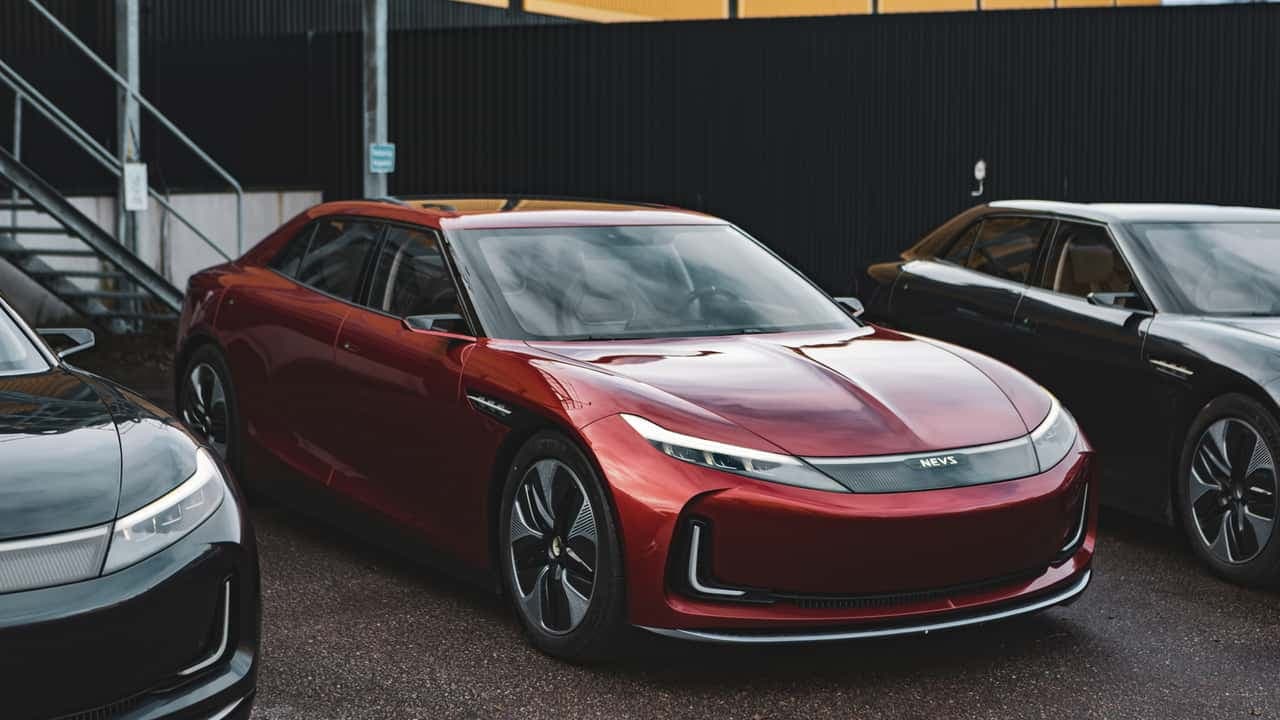
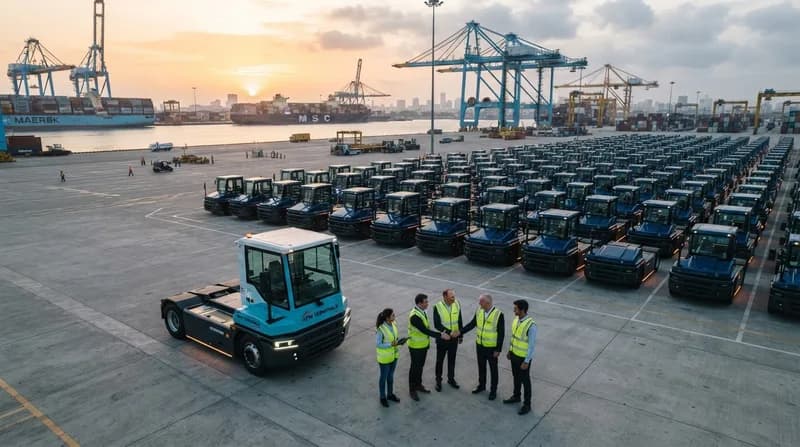
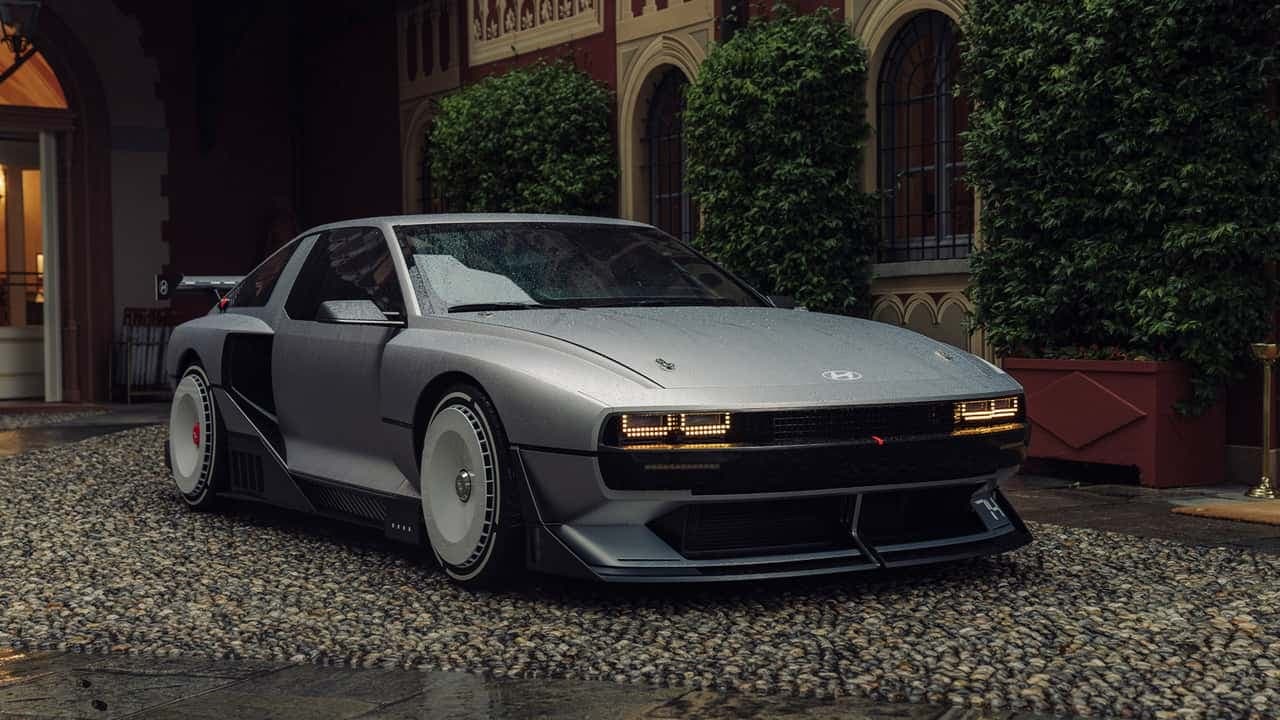
The automotive industry has embraced the GTA VI aesthetic with unprecedented fervor. From BMW and Mercedes-Benz to Daimler Truck and Sixt, brands are utilizing the game’s distinct visual language—characterized by its signature sunsets, vibrant hues, and high-stakes tension—to capture the attention of a massive global audience. These companies are capitalizing on the 'Mission Passed' culture, crafting social media campaigns that mirror the game’s success screens and iconic status.
Interestingly, this wave of marketing has occurred largely without formal partnerships. Companies like Xpeng, BYD, and Volvo have independently adopted the game’s visual vernacular to engage consumers, demonstrating how powerful the GTA brand has become as a communication tool. Even political entities have attempted to jump on the bandwagon, utilizing game-inspired imagery to push narratives, though these efforts have met with mixed, often satirical, responses from the public and environmental groups.
ReVolt America: A Fictional Competitor
One of the most creative responses to the game’s release has come from Electrify America. Within the virtual world of Leonida, developers introduced a fictional charging network known as 'ReVolt America.' Rather than ignoring its digital rival, Electrify America leaned into the joke, launching a tongue-in-cheek campaign welcoming the competitor to the virtual space while reminding gamers that in the real world, their hyper-fast charging network remains the superior option for non-virtual, non-stolen vehicles.
The Reality of Virtual Range
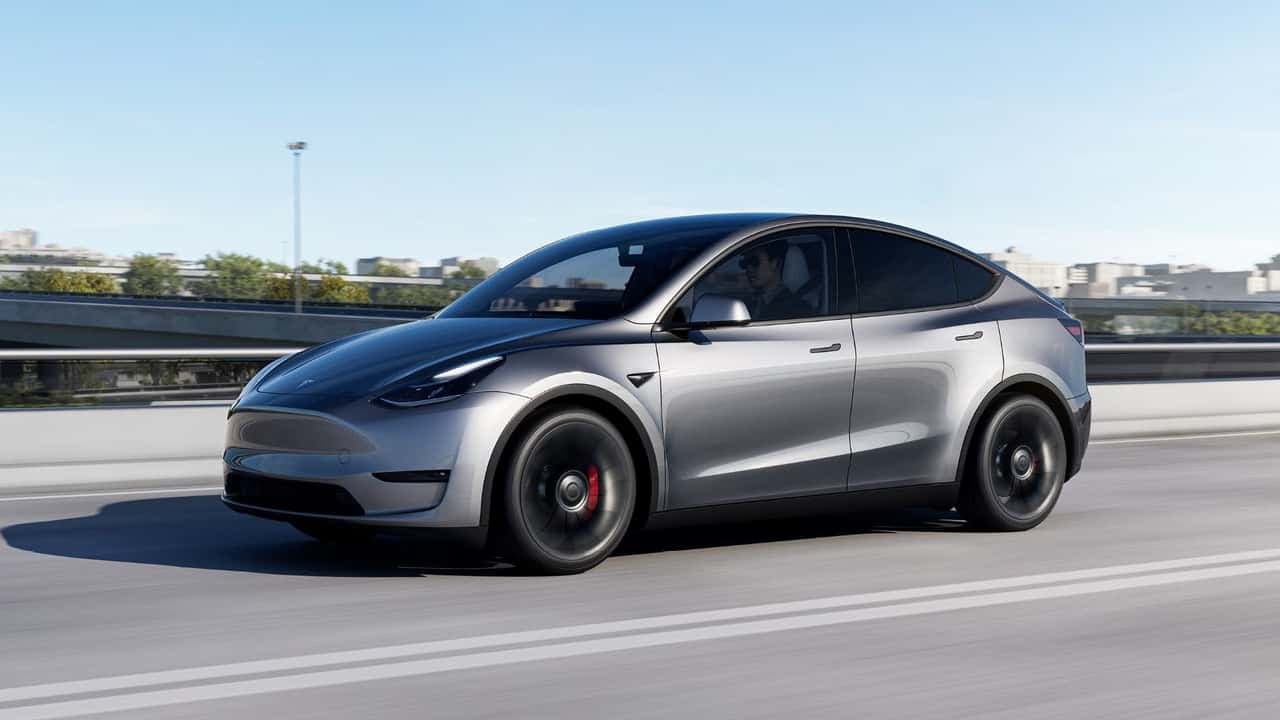
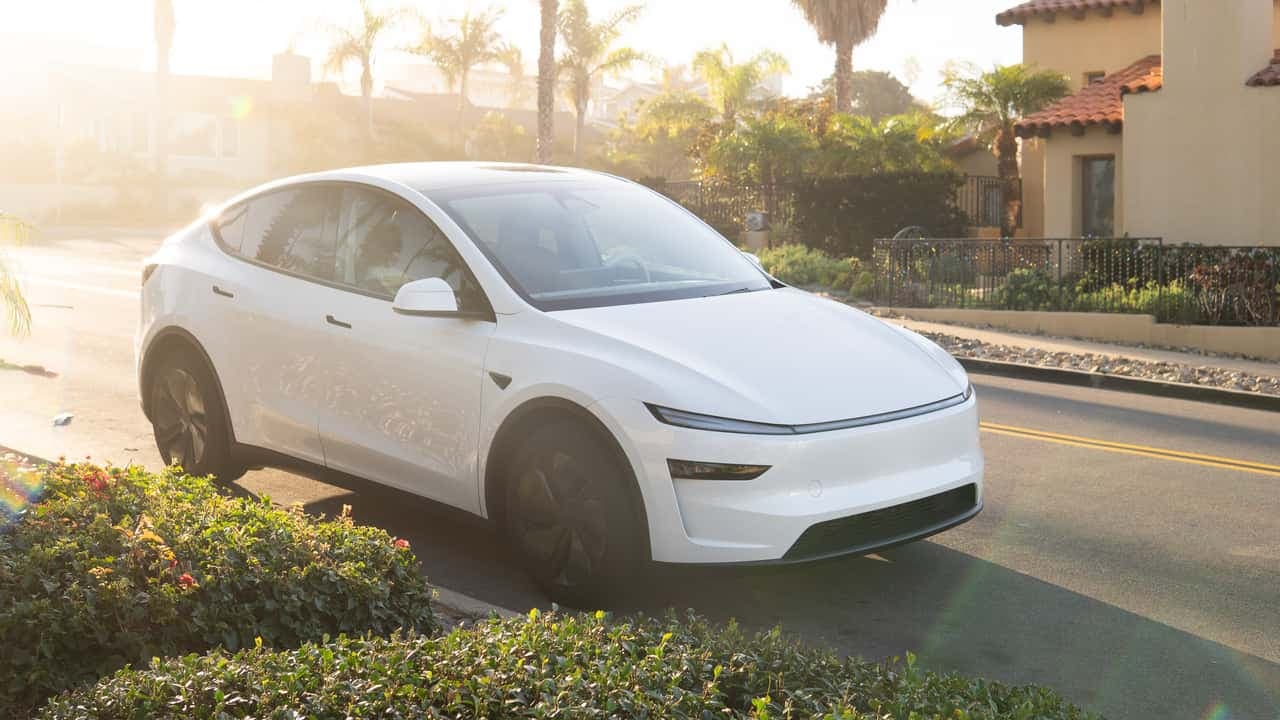
While the charging speed is fantasy, the game does track battery life and fuel consumption with surprising technical commitment. Testing by various gaming outlets indicates that different vehicle classes exhibit varying levels of efficiency. An electric vehicle modeled after the Tesla Model 3, for instance, offers a consistent, albeit short, driving duration that forces players to engage with the charging map strategically. This loop mimics the real-world 'range anxiety' phenomenon, though the game removes the tedium of managing charging cards or apps, creating a friction-less experience that keeps the gameplay focus on the action rather than the logistics.
Why It Matters
- Cultural Normalization: The inclusion of charging mechanics in a AAA title like GTA VI signals the total mainstreaming of electric vehicles in public consciousness.
- Viral Brand Strategy: The lack of official licensing hasn't stopped major automakers from successfully piggybacking on the game's momentum, proving that digital aesthetics are the new frontier for brand relevance.
- User Experience Contrast: The stark difference between the game's instant charging and the real world’s charging infrastructure highlights exactly what consumers hope for in the future of the technology: simplicity and speed.