The Shifting Landscape of Used Electric Vehicles
The secondary market for electric vehicles in the United States underwent a significant transformation in October, as consumer preference began to diversify away from traditional market leaders. While Tesla continues to hold the top position in total volume, recent market data indicates a cooling period for its pre-owned inventory. Conversely, competitors such as Chevrolet, Kia, and Nissan have seen their market share expand, buoyed by an increasing influx of off-lease vehicles entering the market.
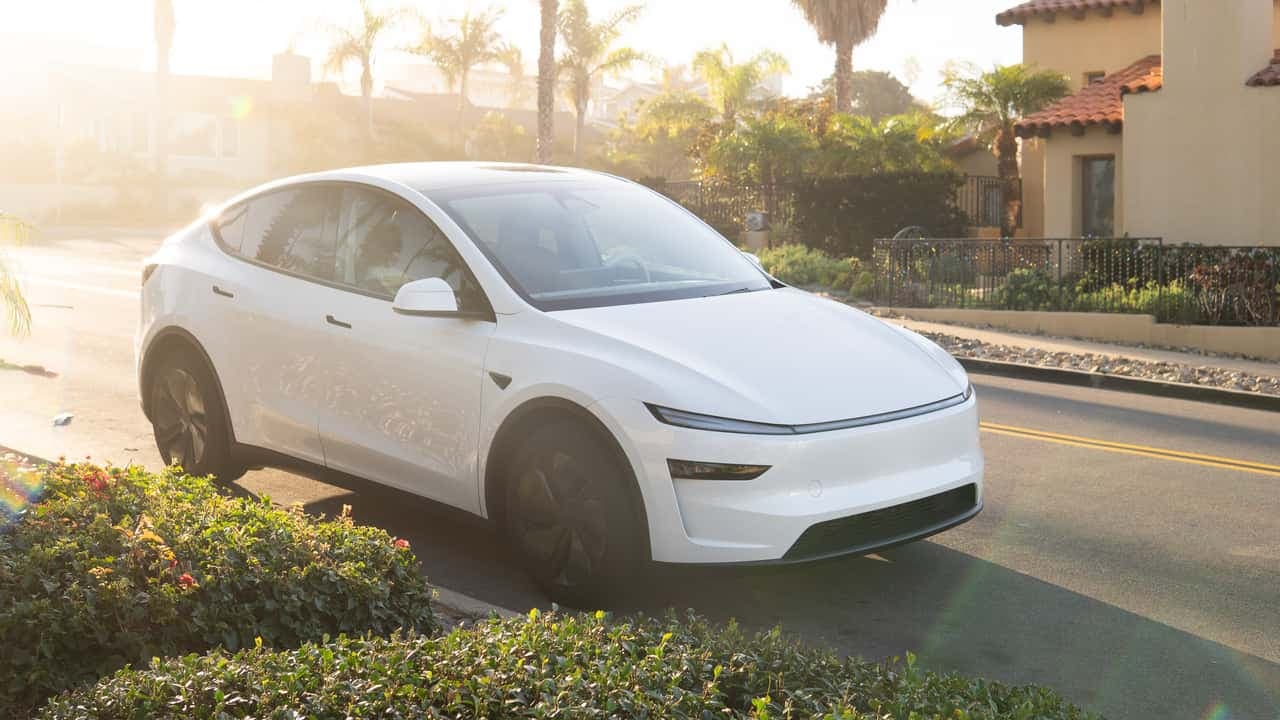
According to the latest insights from Cox Automotive’s EV Market Monitor, total sales for used electric vehicles reached 48,678 units in October. This figure represents a 4.7% increase from the previous month and a robust 73.2% jump compared to the same period last year. Despite this overall growth, Tesla experienced a 5.4% decline in used sales on a monthly basis, with models such as the 3, Y, and X seeing less demand than in September.
The Rise of Competitive Alternatives
While Tesla’s grip on the used market shows signs of loosening, brands like Chevrolet have aggressively positioned themselves to capture the shift in consumer sentiment. Chevrolet has ascended to the second-place spot, notably outpacing Ford in total used vehicle transactions. This momentum is largely driven by models like the Equinox EV and Blazer EV, which continue to attract buyers seeking newer, alternative options in the electric crossover segment.
Other manufacturers are also gaining traction. The Kia EV6, Nissan Leaf, and Volkswagen ID.4 have all recorded higher sales figures compared to September. Analysts suggest that this trend is the direct result of a healthier supply chain for pre-owned electric vehicles. As more cars complete their initial lease terms, dealers are finally able to offer a broader range of options, allowing shoppers to cross-shop brands and price points more effectively than in previous years.
Pricing and Market Dynamics
For prospective buyers, the financial entry point for used electric transportation is becoming increasingly attractive. In October, the average asking price for a used EV sat at $36,582, marking a slight decrease from the $36,767 recorded in September and a 1.9% drop year-over-year. Specific models, including the ID.4, Ford Mustang Mach-E, and Nissan Ariya, saw notable price adjustments that likely contributed to their increased sales velocity.
However, Tesla’s pricing strategy has moved in the opposite direction. For the second consecutive month, the average asking price for a used Tesla climbed by 1.8% to $34,109. Despite this increase, the average used Tesla remains priced approximately $2,500 below the average for all used EVs. This premium on non-Tesla vehicles reflects a broader market trend where, despite the availability of more models, used EVs continue to command a price premium of roughly $2,236 over their internal combustion engine and hybrid counterparts.
Contextual Outlook
The state of the used EV market is a critical bellwether for the broader transition to electric mobility. As EVs now account for roughly 3.3% of total U.S. used car sales, the industry is seeing a transition from early-adopter enthusiasm to more pragmatic, value-oriented purchasing. This is further evidenced by dealer inventory turnover; used EVs are currently sitting on lots for an average of 38 days, compared to 47 days for gas and hybrid vehicles. With supply steadily increasing and prices stabilizing, the secondary EV market is moving toward a more mature phase that prioritizes variety and accessibility over brand exclusivity.