The Cybercab Arrives in Dallas
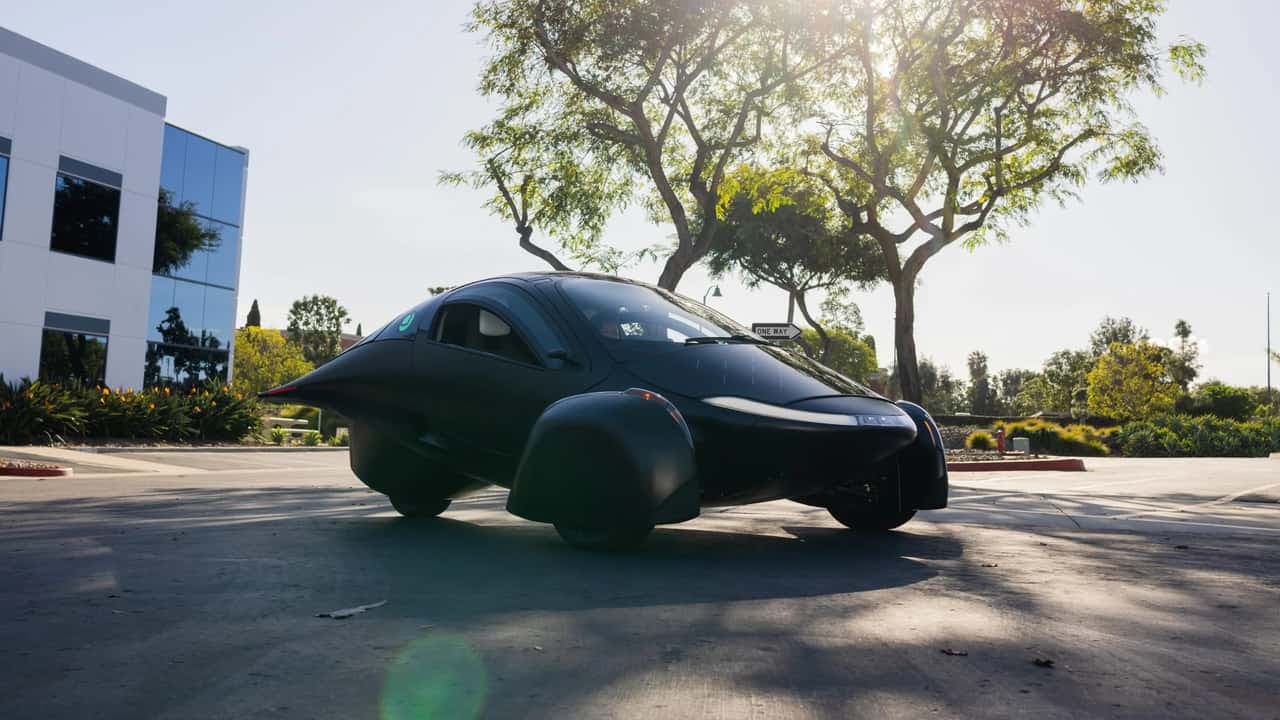
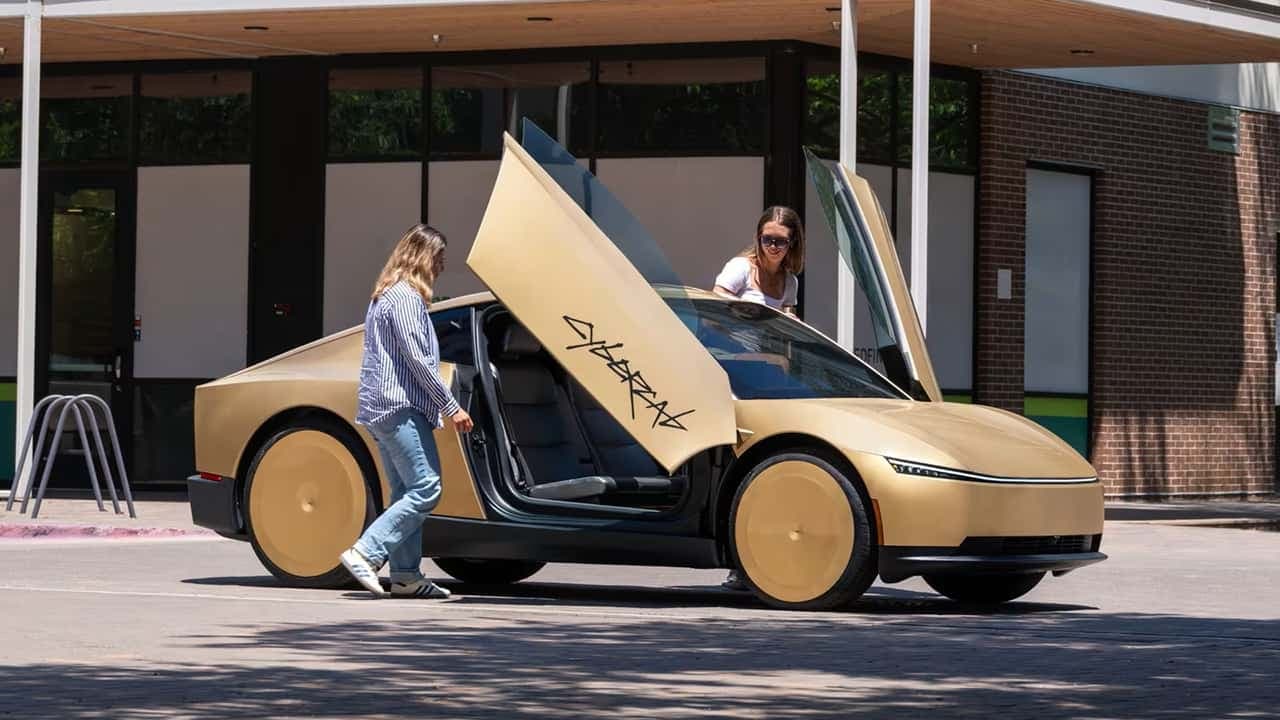
Tesla has officially initiated the expansion of its driverless Cybercab service, marking its arrival in Dallas, Texas. This move follows the initial launch of the robotaxi platform in Austin this past September. While Tesla has been active in the Dallas market for some time using a fleet of autonomous-ready Model Y vehicles, the deployment of the purpose-built Cybercab represents a significant shift toward the company's vision of a dedicated, wheel-less, and pedal-less transit future.
Designed specifically for autonomous ride-hailing, the Cybercab offers a minimalist, two-passenger cabin that entirely removes the traditional driver-centric interface. Accessing the service is streamlined through the dedicated Tesla Robotaxi app, which allows passengers to summon a vehicle directly to their location. This expansion is strategically focused on Texas, where the regulatory environment has proven more conducive to the rapid deployment of autonomous technology compared to other regions.
The Broader Robotaxi Strategy
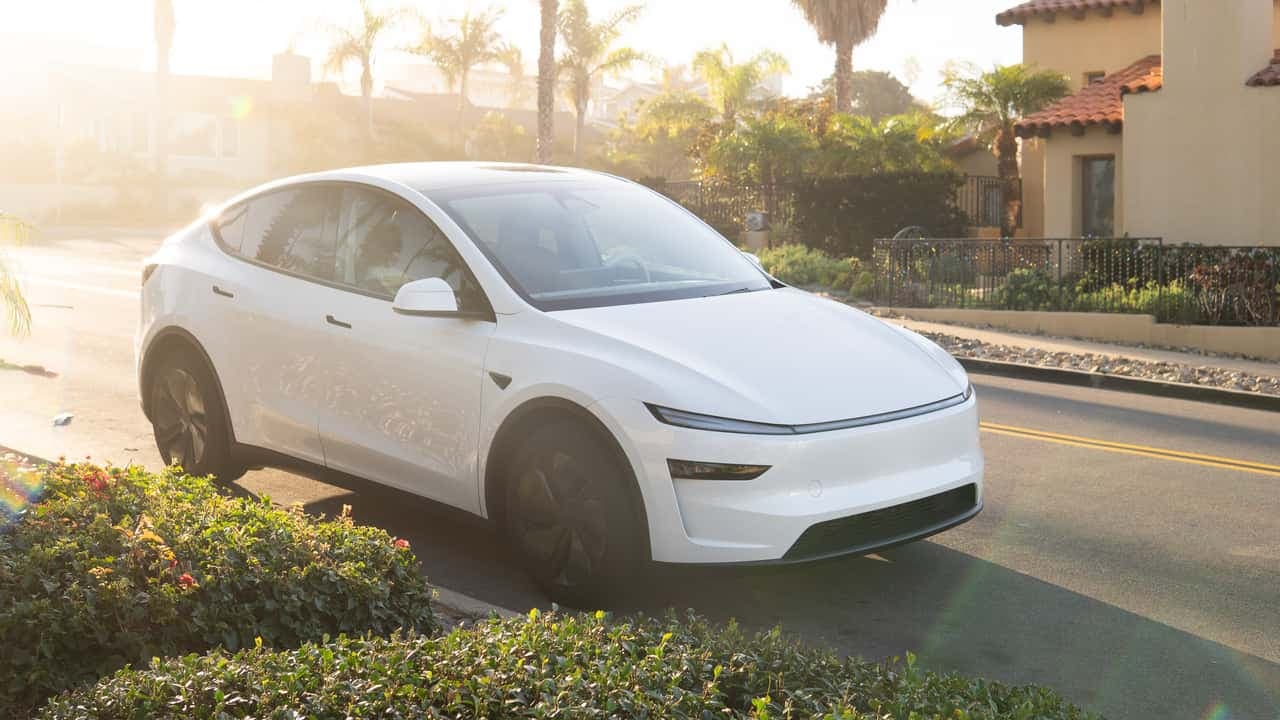
Tesla is not merely introducing a new vehicle; it is orchestrating a broader transformation of its manufacturing and service ecosystem. Currently, the Cybercab operates in a limited capacity in Austin and Dallas, while Tesla’s wider robotaxi network—comprising supervised autonomous Model Y units—continues to serve cities across Texas, Florida, and California. However, the California-based operations differ significantly from those in the South, as they currently require human supervisors behind the wheel to adhere to local state regulations.
Looking ahead, the company has ambitious, albeit debated, production goals. CEO Elon Musk has publicly discussed an eventual fleet scale of two million Cybercabs across the United States. To support this growth, Tesla is reportedly planning to recalibrate its manufacturing priorities, including a potential wind-down of Cybertruck production at Gigafactory Austin by next summer to reallocate resources toward large-scale Cybercab assembly lines.
Why It Matters
- Regulatory Tailwinds: By focusing expansion in states like Texas, Tesla is effectively bypassing the localized regulatory gridlock found in other parts of the U.S., allowing for faster software iteration and fleet scaling.
- Manufacturing Evolution: The pivot from the Cybertruck to the Cybercab signals a long-term shift for Tesla, moving away from consumer-owned heavy utility vehicles toward specialized, high-volume autonomous service hardware.
- Autonomy Requirements: Despite being marketed to private customers, the Cybercab ecosystem is heavily tied to Tesla's software-as-a-service model, requiring a $299 monthly subscription to maintain full autonomous functionality.
Future Implications and Challenges
The road to widespread Cybercab adoption remains complex. Questions persist regarding how these vehicles will align with federal motor vehicle safety standards, particularly given their lack of traditional manual controls. Furthermore, Tesla has begun inviting select customers to purchase the Cybercab for private use at a $29,990 price point, though the necessity of the monthly autonomy subscription makes the total cost of ownership model unique in the automotive sector.
As Tesla continues to refine its software and hardware—including plans for a steering-wheel-free version of the Model Y—the industry is watching closely to see if the company can overcome its history of aggressive manufacturing timelines to deliver the scale of autonomous transit promised to investors. With Dallas now added to the map, the next phase of this experiment will provide vital data on user adoption and system performance in a major urban center.