The Anatomy of an Inspection Failure
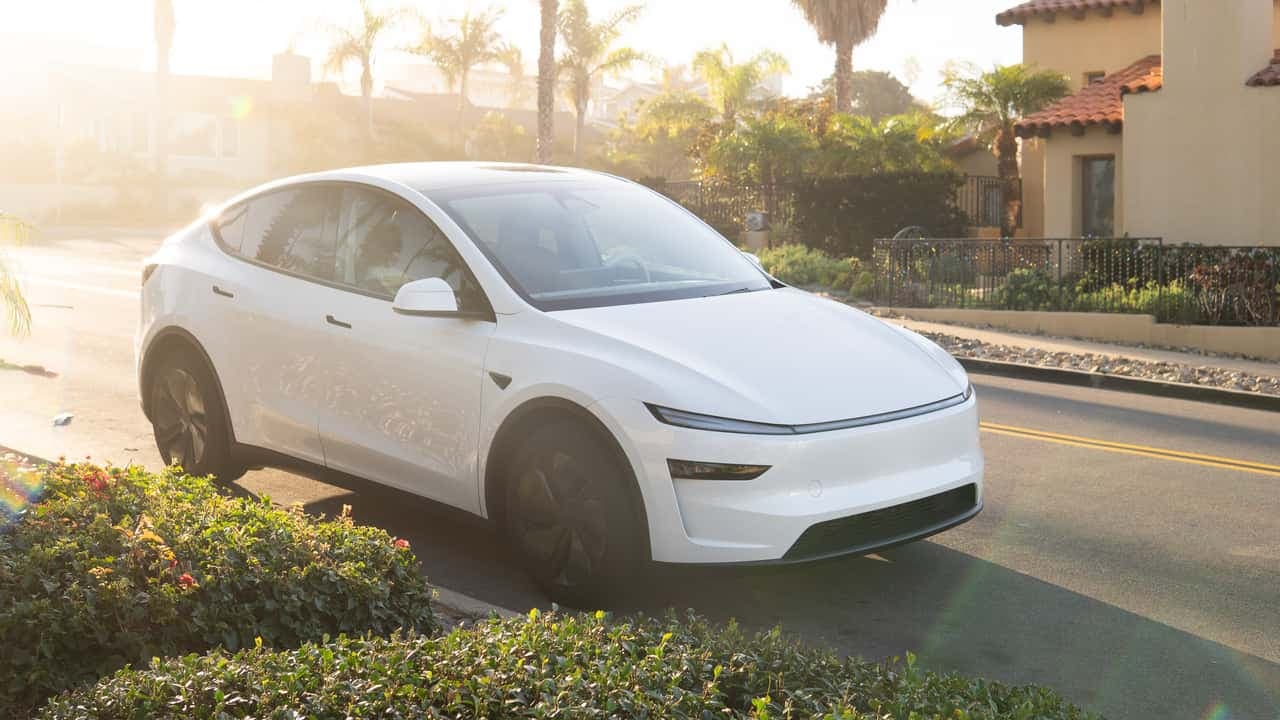
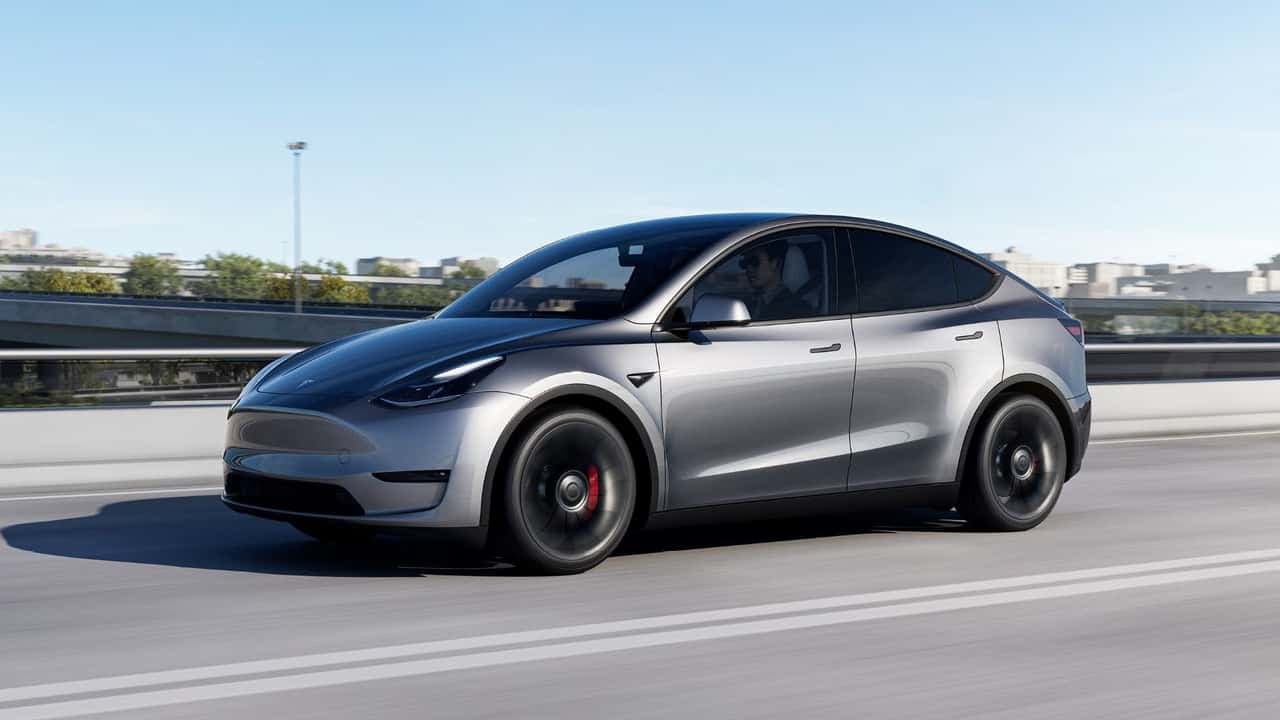
For those shopping the used electric vehicle market, the focus usually lands squarely on battery health. However, recent data from Germany’s comprehensive TÜV roadworthiness inspections suggests that prospective buyers should shift their attention toward mechanical components. The latest report, which synthesized 9.7 million mandatory inspections conducted between July 2025 and June 2026, placed the Tesla Model Y at the absolute bottom of its class. Out of 109 vehicle models analyzed, the Model Y struggled significantly, with 18.5% of units failing their first mandatory check due to major defects.
This figure is alarming when placed against the industry average of 6.4% for vehicles of a similar age. The primary culprit appears to be the suspension system. TÜV inspectors flagged worn suspension joints in the Model Y at a frequency 24 times higher than that of comparable passenger vehicles. Additionally, braking performance emerged as a secondary pain point, with 3.4% of inspected Model Ys displaying defective brake discs, more than triple the 1% average for the segment.
Contextualizing the Data: Mileage and Usage
While the failure rate is undeniably high, it is essential to consider the operational context provided by the report. The Model Ys included in the data set were generally driven more heavily than the average vehicle in their cohort. By the time they reached their first mandatory inspection at approximately three years old, these cars had logged an average of 36,000 miles (58,000 km), compared to the 29,200-mile (47,000 km) average for the broader group. This higher mileage naturally leads to accelerated wear on mechanical parts, though it does not entirely explain the significant disparity between Tesla’s performance and the industry benchmark.
Comparative Performance: The Mazda MX-30 and MG4
The report also provided a stark contrast with other electric models on the market. The Mazda MX-30, for instance, secured a third-place ranking overall with a failure rate of just 3%. While the MX-30 averaged significantly lower mileage—roughly 16,200 miles—the data indicates that its mechanical durability during the initial ownership period remains robust. At the other end of the spectrum, the MG4 served as a cautionary tale for newer entrants, finishing near the bottom of the list with a 16% failure rate, largely driven by issues with brake discs and suspension components.
Why It Matters
- Beyond the Battery: While software and battery life often dominate EV discourse, mechanical chassis integrity remains a critical factor for long-term safety and maintenance costs.
- Inspection Rigor: Unlike consumer-reported surveys, which rely on owner feedback, TÜV technical inspections offer an objective, standardized look at physical component degradation.
- Future Outlook: The data encompasses models produced prior to the recent "Juniper" refresh. It remains to be seen whether updated suspension components and new damping technologies will yield better results in future inspection cycles as these newer vehicles accumulate higher mileage.