E-BUZZ ME Logo
Electric VehiclesTechnical Deep Dive

Study Reveals Economic Barriers in EV Battery Recycling and Potential Solutions

Published
EElectricBuzz Editorial Team
Study Reveals Economic Barriers in EV Battery Recycling and Potential Solutions
2 min read271 wordsElectricBuzz Editorial Team

The Gist

A recent study under the EU project Safeloop highlights that current battery recycling practices in Europe experience a loss of €1.90 per kilogram due to high operational costs. Proposed solutions include improving business models and technological efficiencies that could turn recycling profitable by 2026.

A recent study conducted under the EU project Safeloop sheds light on significant economic challenges within the electric vehicle (EV) battery recycling sector. The study reveals that current practices in Europe incur a loss of approximately €1.90 per kilogram of battery recycled, primarily driven by high operational costs.

The report highlights various factors contributing to these losses:

  • Transporting lithium-ion batteries is categorized as handling hazardous goods, leading to transport costs that are 16 times higher than those for standard freight.
  • If the recycling losses are transferred to consumers, the cost of a battery pack could rise by approximately 6%. This potential increase may significantly affect vehicle pricing by 2031, particularly with EU regulatory changes on the horizon.
  • Improving the second-life usage of decommissioned batteries could enhance their value by up to 64%, although it raises questions about who would absorb the higher recycling costs.
  • The study underscores the importance of new stakeholders in the battery supply chain to redistribute costs and revenues in a manner that fosters sustainable economic models.

The Safeloop project, launched in 2024 with a budget of €4.7 million, aims to develop safer and more efficient recycling technologies over its three-year term. The project seeks to tackle the identified barriers and make battery recycling economically viable by 2026.

Why It Matters

Addressing the economic barriers to battery recycling is critical for the EV industry as it navigates growing regulatory pressures and consumer demand for sustainable solutions. Effective recycling can mitigate supply chain issues and reduce the environmental impact of battery disposal.

For more detailed insights, you can explore the full study at electrive.com.

Related Stories

Semantically matched articles, ranked by topic overlap and freshness.

Thessaloniki Expands Green Transit Fleet with 50 New Yutong E-Buses
Electric Vehicles

Thessaloniki Expands Green Transit Fleet with 50 New Yutong E-Buses

The Greek city of Thessaloniki has officially integrated 50 new electric articulated buses from Yutong into its public transport network, marking a significant milestone in the city's sustainable mobility strategy.

UK EV Market Surges: Electric Powertrains Outpace Gas in Landmark August Shift
Electric Vehicles

UK EV Market Surges: Electric Powertrains Outpace Gas in Landmark August Shift

Electric vehicles have officially become the top-selling powertrain in the UK, capturing a significant 30% market share as policy mandates and shifting consumer preferences drive the transition away from fossil fuels.

Schneider Electric Challenges Tesla With New Smart Home EV Charger
Electric Vehicles

Schneider Electric Challenges Tesla With New Smart Home EV Charger

Schneider Electric has launched a powerful new home EV charger that simplifies energy management by including dynamic load-balancing hardware right out of the box.

Decoding EV Battery Health: How Tesla Models Age Over 100,000 Miles
Electric Vehicles

Decoding EV Battery Health: How Tesla Models Age Over 100,000 Miles

A comprehensive study of 500,000 battery tests reveals how Tesla's popular electric vehicles hold up after nearly 100,000 miles of real-world driving.

UltraTech Cement Accelerates Industrial Decarbonization with 600+ New Electric Trucks
Electric Vehicles

UltraTech Cement Accelerates Industrial Decarbonization with 600+ New Electric Trucks

Cement giant UltraTech is staging a massive shift in logistics, deploying over 600 heavy-duty electric vehicles to slash emissions across its Indian supply chain.

Tesla’s Cybercab Hits Public Roads: A Quiet Evolution in Autonomous Transport
Electric Vehicles

Tesla’s Cybercab Hits Public Roads: A Quiet Evolution in Autonomous Transport

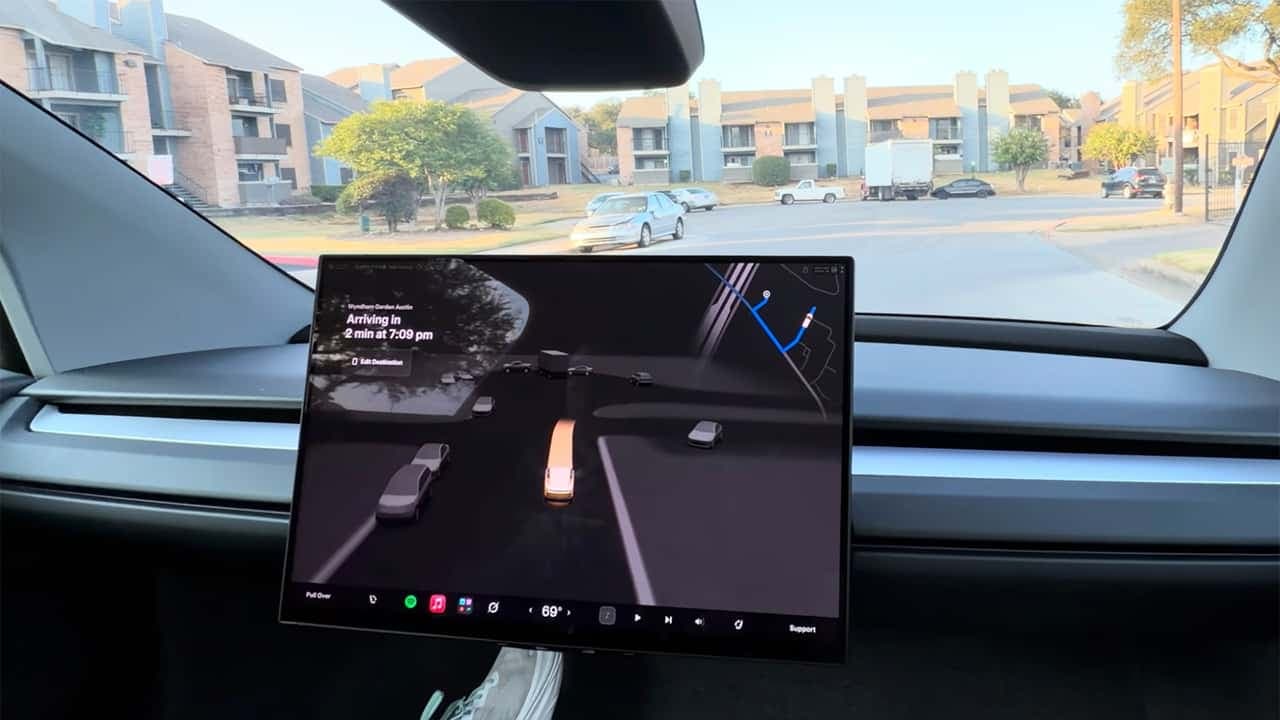
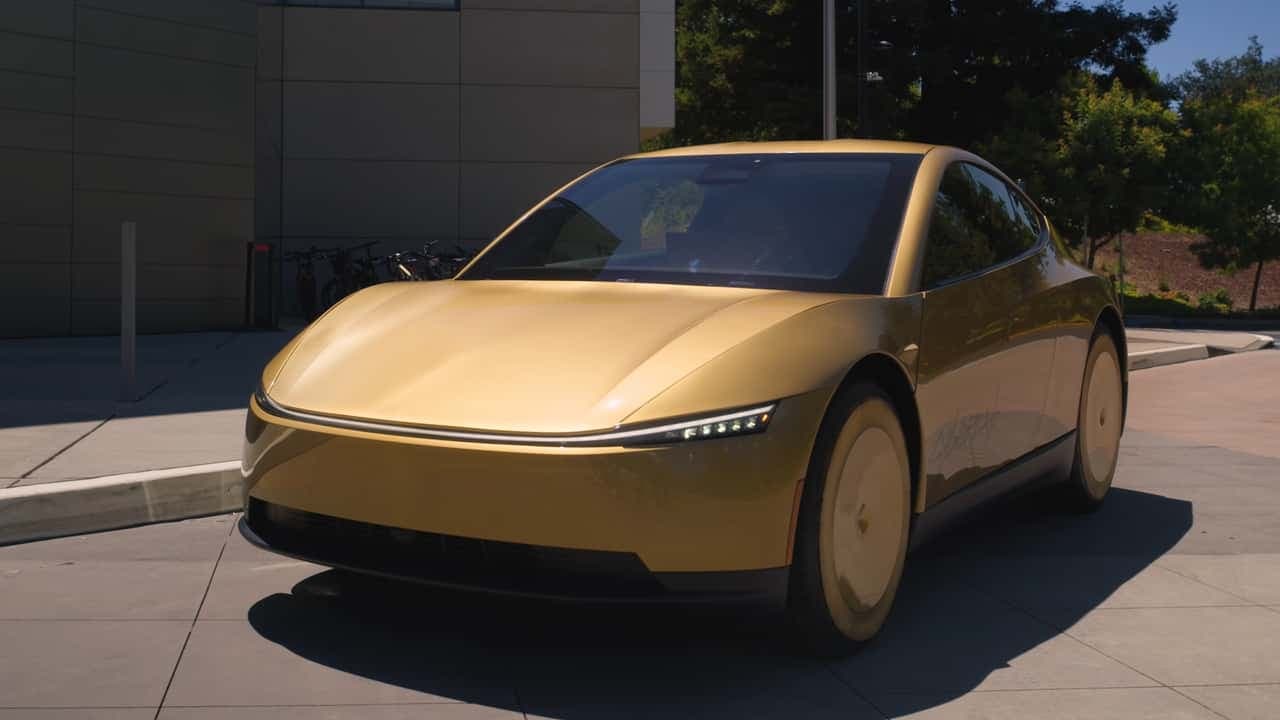
Tesla's steering-wheel-free Cybercab has begun transporting passengers in Austin, marking a major milestone in the shift toward fully autonomous, pedal-free ride-hailing.

Oslo Achieves Global Milestone: 48.8% of Passenger Cars Are Electric
Electric Vehicles

Oslo Achieves Global Milestone: 48.8% of Passenger Cars Are Electric

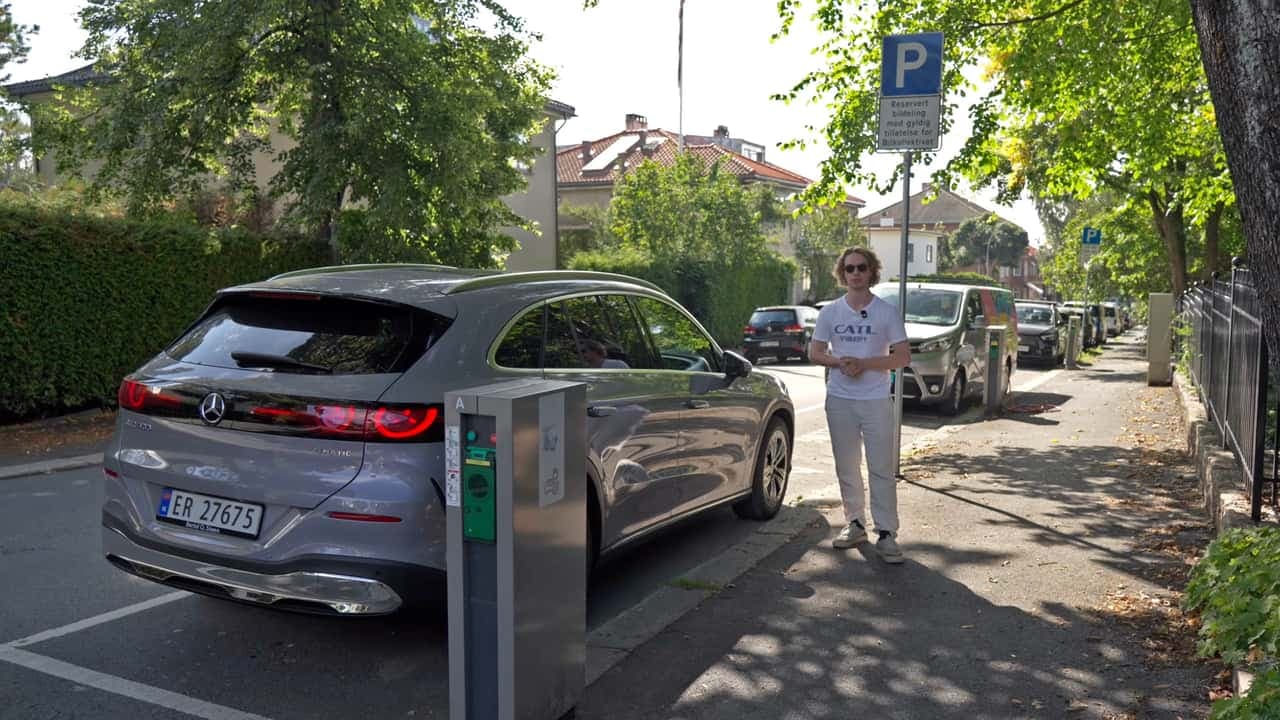
Oslo has become the world's most electrified city with 48.8% of passenger cars electric, utilizing over 3,500 AC charging plugs as the primary infrastructure rather than fast chargers, enabled by 2020 legislation granting apartment residents the right to install home chargers.

Tesla Cybercab Introduces Brake-By-Wire System Eliminating Traditional Hydraulics
Electric Vehicles

Tesla Cybercab Introduces Brake-By-Wire System Eliminating Traditional Hydraulics

Tesla's robotaxi eliminates brake lines and fluid, using individual electronic actuators at each caliper for the first time in mass production. The innovation reduces costs and enables independent wheel braking control.