A New Frontier in Neuropsychiatric Diagnosis
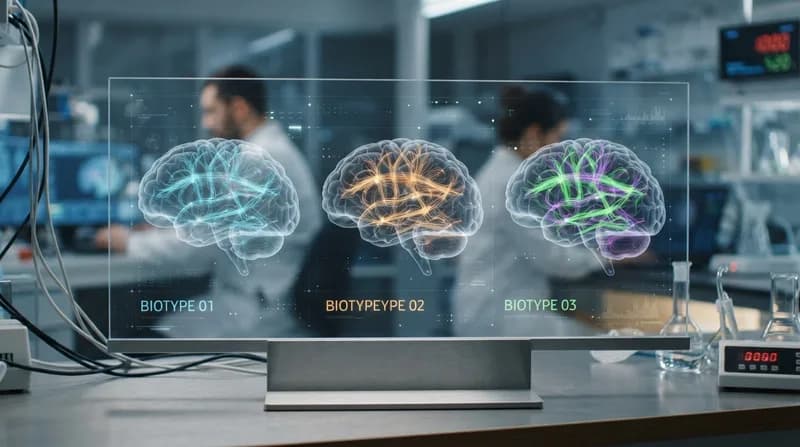
For decades, the diagnosis of ADHD and anxiety in children has relied heavily on clinical checklists and behavioral observations. Because these conditions frequently overlap, doctors have struggled to determine the specific neurobiological drivers behind a patient's symptoms. A groundbreaking study led by Stanford Medicine, published in Nature Mental Health, has introduced a significant shift by using artificial intelligence to identify three distinct biological brain types, or "biotypes," that underlie these conditions.
By analyzing functional magnetic resonance imaging (fMRI) data from thousands of children, researchers have successfully moved beyond surface-level symptoms to map the actual neural circuitry involved. This AI-driven approach suggests that traditional diagnostic labels may only tell part of the story, as children from across the diagnostic spectrum can fall into one of these three underlying biological categories.
1. The Externalizing-Disinhibited Biotype
The externalizing-disinhibited biotype is primarily associated with behaviors that are outward-facing and impulsive. Children within this category frequently display symptoms such as hostility, defiance, physical aggression, and a tendency to break rules. While ADHD diagnoses are statistically more prevalent in this group, the researchers emphasize that this biological signature is a distinct neural pattern rather than just a symptom checklist.
The underlying brain connectivity in this group reflects specific disruptions in circuits governing inhibitory control and impulse regulation. By identifying this pattern, clinicians may eventually be able to distinguish between simple behavioral defiance and a deep-rooted neurological predisposition that requires specialized intervention, rather than broad-spectrum medication.
2. The Internalizing-Distressed Biotype
In contrast to the externalizing group, the internalizing-distressed biotype presents a profile rooted in emotional regulation challenges. Children assigned to this group typically struggle with pervasive feelings of guilt, heightened tension, and a strong propensity for perfectionism. These children are most frequently identified through symptoms of anxiety and depression.
The neural pathways in this group show distinct connectivity differences compared to their peers, focusing on circuits related to emotional processing and internal stress response. Recognizing this biotype early could be transformative for mental health care, as it suggests that these children may require therapies specifically targeted at emotional regulation and anxiety management rather than the stimulants often prescribed for traditional ADHD models.
3. The Mixed Biotype
The third category identified by the Stanford research team is the mixed biotype. As the name suggests, children in this group display a complex, overlapping profile that includes significant difficulties with attention, frequent irritability, and occurrences of self-injury. Much like the externalizing-disinhibited group, these children are more frequently tagged with an ADHD diagnosis, yet their neural profile is unique.
The mixed biotype reveals how complex the intersection of ADHD and anxiety can be at the biological level. By isolating this group, the researchers have provided a clearer picture of why certain "one-size-fits-all" treatments often fail. These children likely require a nuanced clinical approach that balances focus-enhancing strategies with heavy support for emotional stability and irritability management.
Why it Matters
- Early Detection: The study found that these biotypes were detectable in fMRI scans even before children received an official clinical diagnosis, offering a window for early intervention.
- Personalized Medicine: Moving away from trial-and-error medication prescriptions could save families months of frustration by matching the patient's biological profile to the most effective therapeutic class.
- Redefining Disorders: The findings demonstrate that neurobiological reality does not always map cleanly to current diagnostic manual labels, encouraging a move toward precision psychiatry.
Looking ahead, the researchers hope to conduct clinical trials to see how these specific biotypes respond to different medications and behavioral interventions. By integrating AI into the diagnostic toolkit, the medical community is moving closer to a future where brain-based evidence dictates the course of treatment, potentially reversing or mitigating the long-term impact of these disorders before they fully manifest.