The Cold Hard Facts of EV Range
For electric vehicle owners, the arrival of winter often brings a dreaded companion: reduced driving range. As temperatures plummet, chemical reactions within lithium-ion batteries slow down, and the energy-intensive process of cabin heating begins to drain the pack. A comprehensive new study from Recurrent, which analyzed telemetry data from over 59,000 electric cars, has pulled back the curtain on which vehicles manage these frigid conditions most effectively.
While Tesla has long been considered the industry benchmark for cold-weather performance due to its early adoption of sophisticated heat pump systems, the new data reveals a shifting landscape. The study measured range retention at 32°F (0°C) and 20°F (-7°C), comparing performance against each vehicle's real-world range achieved in ideal conditions rather than standardized EPA ratings. The results provide a crucial roadmap for owners living in colder climates.
Polestar Leads the Pack
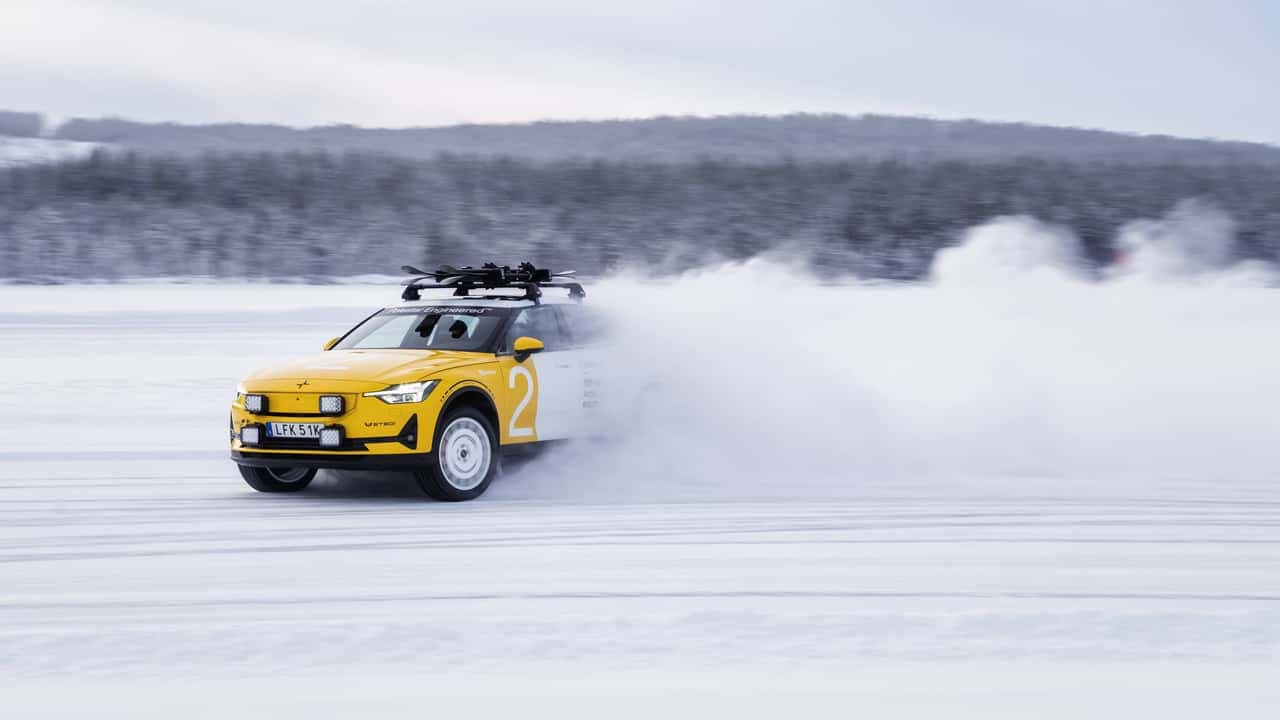
In a surprise shift for the industry, Polestar has officially dethroned Tesla in the overall automaker rankings. According to the data, Polestar vehicles retain an impressive 88% of their range at 32°F and 83% at 20°F. This engineering success highlights the brand’s focus on thermal management efficiency, ensuring that the transition from temperate to freezing weather impacts the driver’s daily commute as little as possible.
Despite this brand-level victory, Tesla remains a formidable competitor, securing the second position in the overall automaker list. Tesla vehicles posted 85% retention at 32°F and 77% at 20°F. While they have been surpassed by the Swedish manufacturer in aggregate, Tesla’s individual model performance remains among the best in the business, proving that their thermal management strategy is still highly effective.
The Bottom of the Temperature Curve
Not every manufacturer has mastered cold-weather efficiency with equal success. The data indicates that premium German and legacy Japanese automakers struggle more than their counterparts when temperatures hit the freezing mark. Mercedes-Benz and Toyota rounded out the bottom of the rankings in the study, with vehicles from these brands retaining roughly 70% to 72% of their total range in freezing temperatures.
Interestingly, the study noted that older vehicle architectures, such as the aging Volkswagen e-Golf, managed to outperform some modern luxury SUVs in cold-weather retention despite lacking modern battery-management hardware. This underscores that while software and heat pumps are vital, the underlying battery chemistry and pack design play a fundamental role in how a vehicle handles the winter chill.
Why It Matters
- Heat Pumps are Mandatory: The data confirms that heat pump-equipped EVs consistently outperform those relying on traditional resistive heating, providing roughly an 8% boost in range during cold snaps.
- Preconditioning is Key: Owners are encouraged to utilize home charging to precondition the cabin and battery while plugged in, allowing the grid to handle the thermal load rather than the battery pack.
- Real-World vs. EPA: Since this study utilizes real-world telemetry from thousands of owners, it offers a more reliable metric for range anxiety than static lab-tested estimates.
Top Performing Models
When looking at individual nameplates, Tesla still claims the crown for the single best-performing vehicle. The Tesla Model S leads the rankings with 90% range retention at 32°F, followed closely by the Tesla Cybertruck at 89%. The Polestar 2 holds the third spot overall, demonstrating that its high ranking as a brand is consistent across its entry-level fleet. Rounding out the top five are the Tesla Model X and the Tesla Model 3, confirming that for individual commuters seeking the most winter endurance, Tesla’s specific model lineup remains highly competitive.