A New Standard for Urban Mobility
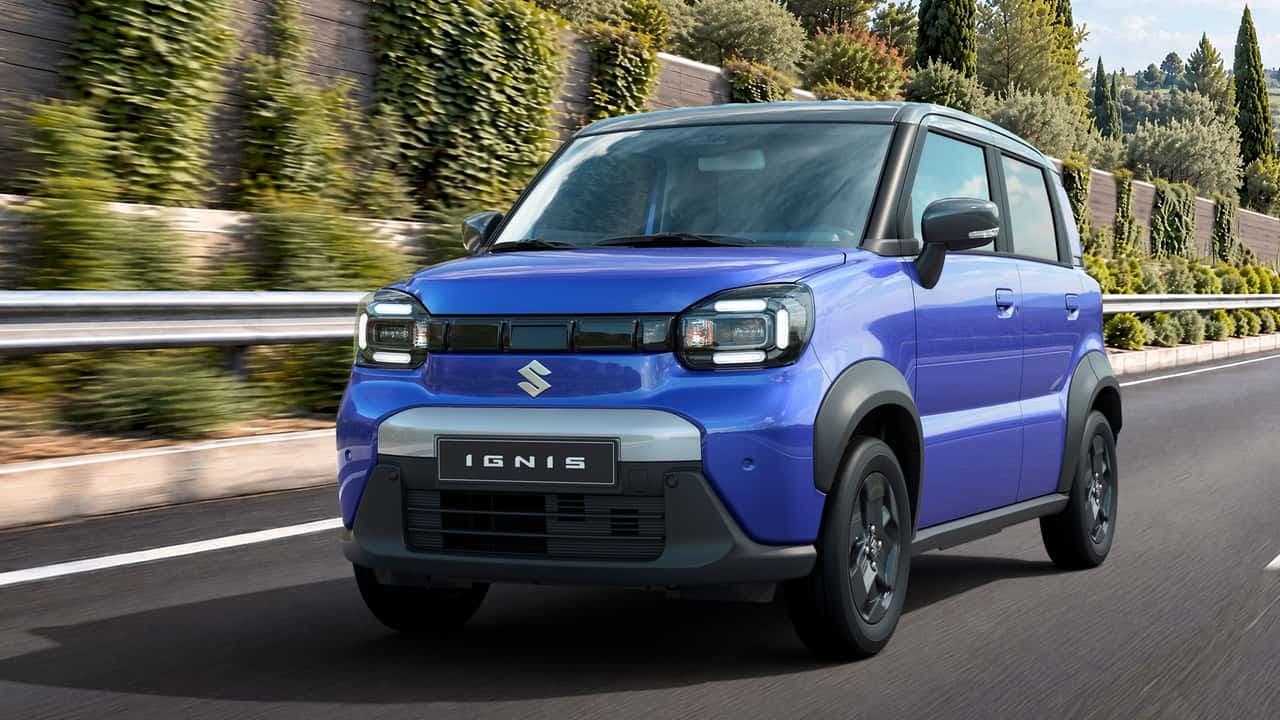
Suzuki is preparing to shake up the European subcompact market with the announcement of the Ignis EV, a dedicated electric vehicle designed to navigate the tightest urban environments with ease. Measuring just 11 feet 9 inches in length, the vehicle is remarkably compact—even shorter than a two-door Mini Cooper S—yet manages to integrate a functional four-door, four-seat layout. This design achievement is rooted in Suzuki’s extensive history of crafting Japanese 'kei' cars, where maximizing interior volume within a restricted footprint is an engineering necessity.
Built on the company's dedicated 'Heartect-e' electric platform, the Ignis is engineered for maneuverability. Its tight 29.5-foot turning circle and minimal overhangs provide a 'wheel-at-each-corner' stance that enhances both its visual appeal and its utility on winding city streets. With a launch date slated for summer 2027, Suzuki is positioning the Ignis to compete directly with an influx of affordable electric offerings from both legacy European manufacturers and emerging Chinese brands.
Technical Specifications and Performance
At the heart of the Ignis EV is a 26-kilowatt-hour lithium iron phosphate (LFP) battery pack, chosen by Suzuki for its reputation regarding safety and long-term durability. The battery is mounted under the floor, contributing to a lower center of gravity and better overall vehicle stability. Power is delivered to the front wheels via a compact, integrated assembly that houses the electric motor, inverter, and reduction gears.
The powertrain delivers 90 horsepower and 98 pound-feet of torque. While Suzuki has yet to confirm specific range or rapid-charging metrics, the selection of the LFP chemistry suggests an emphasis on daily urban reliability. The exterior design complements this efficiency with a modern, floating roof aesthetic and LED lighting signatures inspired by digital typography, while the interior features a minimalist cabin highlighted by a wide display and a ceramic-inspired storage console that spans the dashboard.
Why It Matters: The Small EV Wars
The arrival of the Ignis EV comes at a pivotal moment for the European automotive market. As interest in affordable, small-scale electric transport grows, several major players are rushing to stake their claim. The sector, once dominated by models like the Fiat Panda and Volkswagen Up, is seeing a shift as manufacturers look to electrification to maintain the accessibility of the city car segment.
- Increased Competition: Suzuki will face stiff pressure from the Dacia Spring, the BYD Dolphin Surf, and upcoming entries like the electric Renault 5 and Skoda Epiq.
- Market Demand: Consumer appetite for compact, budget-friendly EVs remains high, as evidenced by long waiting lists for similar models across major European dealer groups.
- Strategic Positioning: By leveraging its expertise in small-vehicle engineering, Suzuki aims to offer a distinct alternative to the feature-heavy, increasingly large electric vehicles dominating other market segments.
As the 2027 arrival date approaches, the industry is watching closely to see how Suzuki will price the Ignis. With rivals aiming for the sub-€20,000 category, the success of this tiny EV will likely hinge on whether Suzuki can balance its signature Japanese-market engineering efficiency with the aggressive price-to-value expectations of European commuters.