A Transformative Shift for Public Transit
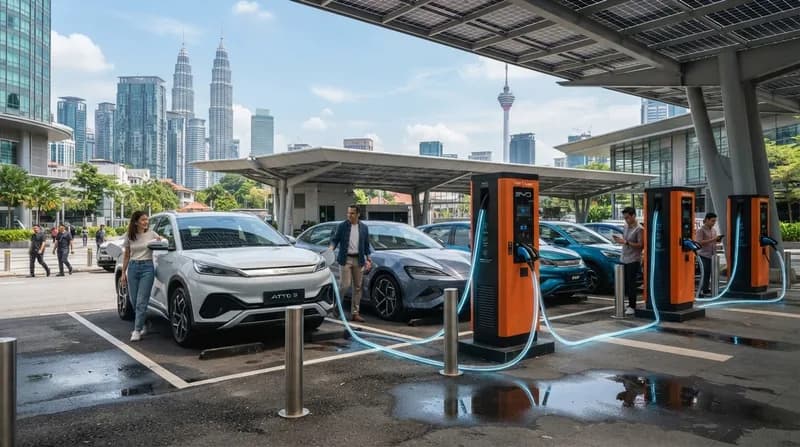
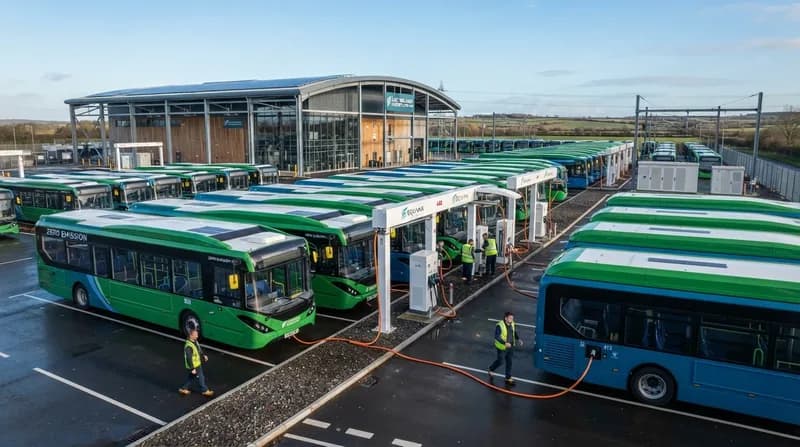
The East Midlands is embarking on a comprehensive overhaul of its public transportation infrastructure, anchored by a significant £47.55 million grant from the East Midlands Combined County Authority (EMCCA). This ambitious project aims to replace legacy diesel buses with a modern fleet of 189 battery-electric vehicles, significantly reducing the carbon footprint of regional transit across Derby, Derbyshire, Nottingham, and Nottinghamshire. The initiative is a coordinated effort between the government and major private operators, with total project valuations exceeding £100 million.
Mayor Claire Ward highlighted that the transition is not merely about green energy, but about economic and social stability. By moving away from volatile fossil fuel markets, the region hopes to stabilize fare prices for daily commuters, students, and shoppers. Beyond the powertrain upgrades, the investment supports the broader modernization of transit hubs, including improved lighting, real-time passenger information displays, and enhanced accessibility features at stations and stops.
Collaborative Funding and Operational Strategy
The scale of this transition is supported by a multi-stakeholder model involving four key private transport operators. Each partner is contributing significant capital to co-fund the new vehicles and the necessary depot upgrades required to support large-scale charging operations.
1. Arriva
Arriva is spearheading a £34 million scheme focused on integrating 69 new electric buses into the network. A substantial portion of this funding is dedicated to the comprehensive retrofitting of the Ascot Drive depot in Derby, ensuring the facility is equipped to handle the high-voltage requirements of an electrified fleet.
2. Trentbarton
Trentbarton is leading the largest individual investment among the operators, pledging £28.7 million toward a massive £55.6 million initiative. This rollout includes 82 electric buses and represents a major infrastructure commitment, involving the complete rebuilding of depots in Langley Mill, Nottingham, and Derby to accommodate modern fleet management technology.
3. Stagecoach
Stagecoach is committing £3.3 million toward an £8.7 million expansion in the Mansfield area. This project will introduce 21 electric buses to the local transit mix, providing a cleaner, quieter, and more efficient alternative for residents while contributing to the region's overall sustainability targets.
4. Nottingham City Transport
Nottingham City Transport is investing £3.1 million into a £9.1 million program. The plan centers on the deployment of 17 electric buses and includes the strategic upgrade of the Parliament Street depot in Nottingham, ensuring the city's bus infrastructure remains at the forefront of urban mobility trends.
Why it Matters
This initiative represents a critical step in the UK's regional decarbonization efforts. By combining fleet replacement with significant investments in depots and public space accessibility, the EMCCA is addressing the 'last-mile' connectivity issues that plague many regional transit systems. The project's longevity is further secured by an additional £53 million commitment through 2029, which will fund ongoing maintenance and infrastructure improvements such as pedestrian access, traffic signaling, and stop enforcement, ensuring a robust and reliable service for the next decade.