A New Chapter for Cross-Border EV Trade
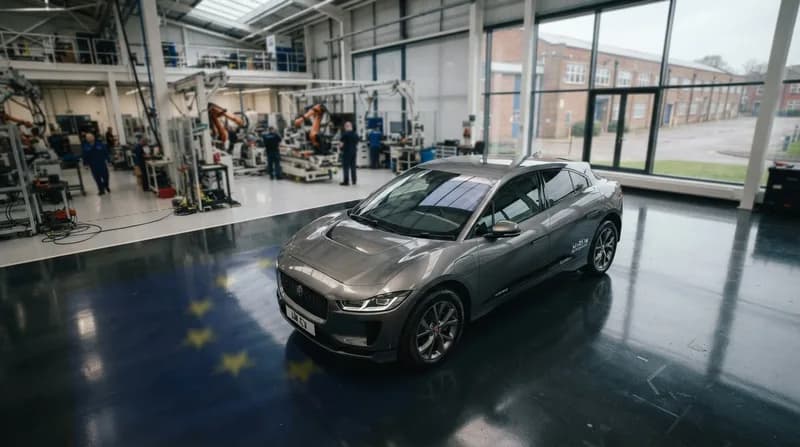
The landscape for electric vehicle manufacturing in Europe is on the verge of a significant shift. EU diplomats have indicated a growing consensus among member states to expand the prestigious 'Made in Europe' designation to include vehicles manufactured in the United Kingdom. This policy, emerging under the umbrella of the EU’s Industrial Accelerator Act, is designed to bolster regional clean-tech industries by prioritizing local products in public procurement and state-funded programs.
The proposal, currently being steered by Ireland—which holds the rotating EU Council Presidency—suggests a broader, more integrated approach to the automotive sector. If finalized, the 'Made in Europe' label would encompass not only the UK but also EFTA members, including Iceland, Liechtenstein, Norway, and Switzerland. This move aims to solidify the supply chains and market access for major manufacturers like Nissan and Stellantis, which rely heavily on the cross-channel movement of electric vehicles and components.
Why it Matters: Balancing Protectionism and Partnership
The 'Made in Europe' initiative acts as a strategic gatekeeper for the EU’s green transition subsidies. By requiring a high percentage of European-sourced components, the EU intends to reduce its reliance on external markets. However, the potential inclusion of non-EU nations comes with a clear caveat: the principle of reciprocity. The EU remains firm that these benefits would only extend to countries that grant similar access to European manufacturers, ensuring a level playing field.
- Strategic Integration: Incorporating UK-made vehicles helps maintain the complex assembly chains established long before Brexit.
- Tariff Relief: Negotiations are currently underway to potentially delay the 10% tariffs on EVs scheduled to hit EU-UK trade on January 1, 2027.
- Regional Value Requirements: Manufacturers are currently racing to meet the 2027 threshold, which demands that 55% of a vehicle's value—and up to 70% of battery pack value—originate from the EU or the UK.
- Industry Support: Regional leaders from Germany's automotive powerhouses, including Bavaria and Baden-Württemberg, are vocal proponents of this inclusive approach, citing the need for a cohesive European industrial ecosystem.
Outlook and Implications
The potential for a comprehensive trade package remains high. By bundling the 'Made in Europe' designation with a delay in the looming 10% tariffs, the EU and the UK could effectively bypass a major economic hurdle. Such an agreement would provide much-needed stability for automakers managing the transition to electric mobility. While the details of the reciprocal trade requirements are still being finalized, the consensus represents a pragmatic move toward de-risking the European automotive market against global competitors while fostering deeper collaboration within the continent's existing manufacturing network.