A Strategic Foothold in Europe
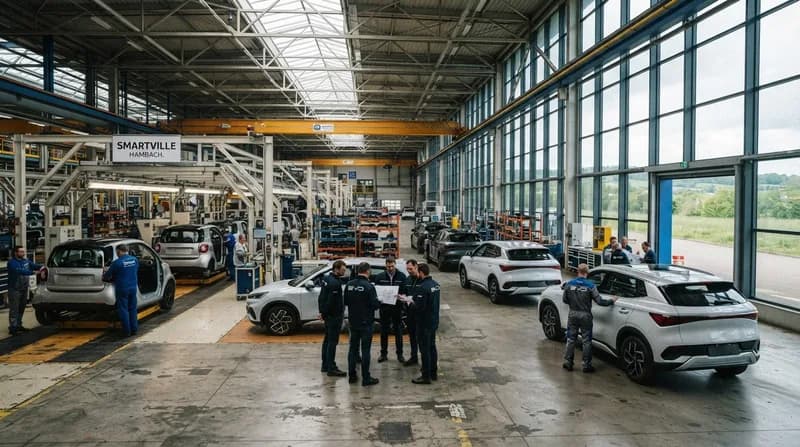
The global electric vehicle landscape is shifting rapidly as BYD, the Chinese automotive giant, enters final negotiations to acquire the iconic production facility in Hambach, France. Formerly the home of the Smart Fortwo, the site is currently operated by Ineos Automotive. If finalized, this deal will represent the first time a Chinese automaker has fully acquired a European car manufacturing plant, signaling a definitive escalation in BYD’s commitment to localized production.
This acquisition is more than just a real estate transaction; it is a calculated response to the evolving regulatory and economic climate in Europe. By establishing "Made-in-Europe" credentials, BYD aims to insulate itself from the volatility of import tariffs and align with emerging subsidy requirements that favor vehicles produced within the European Union. This move complements the company's existing factory development in Hungary, creating a robust manufacturing footprint that spans the continent.
The Transition Phase
The transition of the Hambach facility will be unique. Under the terms currently being discussed, Ineos Automotive—which has utilized the site to manufacture its rugged Grenadier and Quartermaster models—would remain present in the facility for a transitional period. This arrangement ensures that while BYD begins its own integration and production ramp-up, the current internal combustion engine lineup will continue to roll off the assembly line in the medium term.
For Ineos, the deal provides a bridge as the British manufacturer evaluates a potential move toward U.S.-based production. For BYD, it provides immediate access to a seasoned workforce and established automotive infrastructure in the heart of Europe. The French government, notably President Emmanuel Macron, has thrown its support behind the move, viewing it as a major victory for regional economic policy and the effort to accelerate domestic EV manufacturing.
Why It Matters
- Localization: Producing vehicles in France allows BYD to bypass heavy import levies and tap into European consumer subsidies.
- Supply Chain Integration: This plant is part of a broader strategy that may include a battery facility in Portugal, creating an end-to-end European supply chain.
- Market Confidence: The move validates France’s appeal as a manufacturing hub, directly boosting employment and regional industrial output.
- Future-Proofing: As European "Made-in-Europe" regulations tighten, having deep-rooted local production becomes a significant competitive advantage over pure importers.
A New Chapter for Hambach
With an official announcement from the French government expected in mid-January, all eyes are on how BYD will modernize the plant for its proprietary electric vehicle platforms. BYD’s executive leadership has emphasized that the vehicles produced in Hambach will be specifically engineered for the unique demands of European drivers. As the company pivots from an exporter to a domestic European manufacturer, the Hambach plant stands to become a critical pillar in its global growth strategy.