A New Frontier in Circular Battery Production
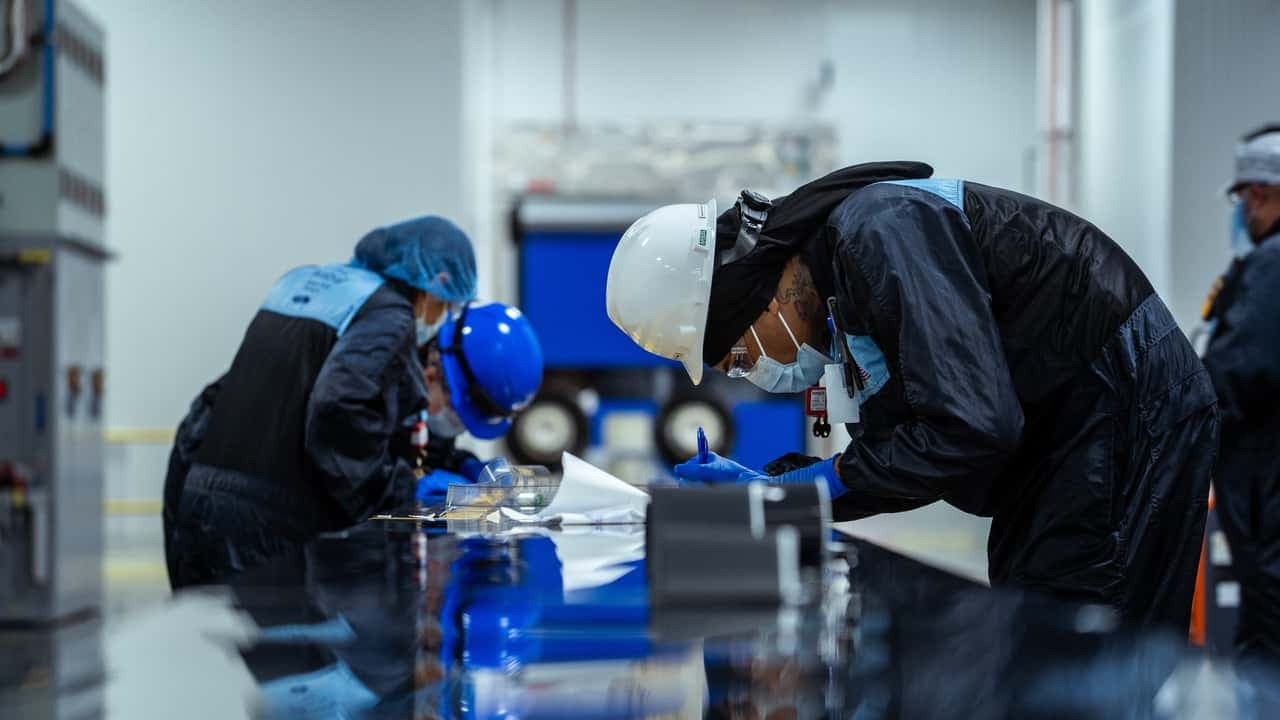
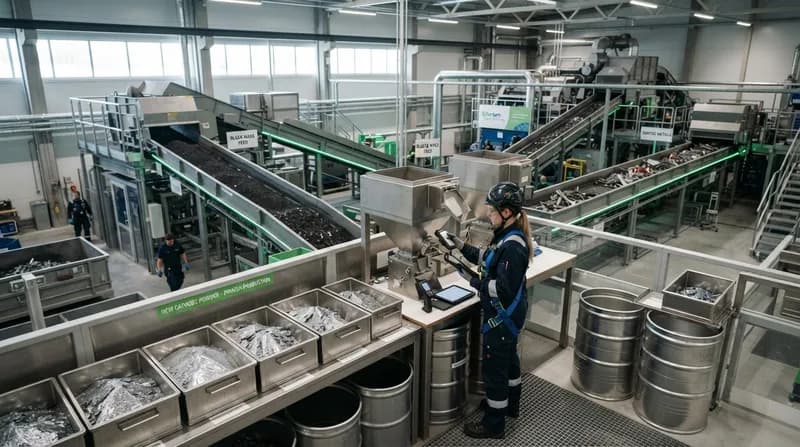
Fortum Battery Recycling has reached a pivotal milestone in the transition toward a sustainable energy future. For the first time, the company has successfully produced battery-grade samples of nickel sulfate, cobalt sulfate, and lithium hydroxide through its latest proprietary recycling process. These materials, extracted and refined at the company's facility in Harjavalta, Finland, are currently undergoing rigorous evaluation by industry partners, signaling that a commercial-ready circular supply chain for electric vehicle batteries is closer than ever.
The pilot campaign in Harjavalta was designed not only to demonstrate technical feasibility but to prove that recycled materials can meet the stringent purity requirements of modern battery cell manufacturing. As Europe prepares for a massive wave of end-of-life EV batteries, the ability to reclaim these critical minerals with high efficiency is essential for reducing dependency on external suppliers and minimizing the environmental footprint of new battery production.
Technology That Closes the Loop
At the heart of Fortum’s process is an innovative, closed-loop system for process chemicals. By keeping essential reagents circulating within the facility, the company aims to drastically lower chemical consumption, reduce waste generation, and slice through the CO2 emissions typically associated with virgin material refinement. This is complemented by a strategic shift toward the electrification of industrial processes, utilizing clean electricity to power the transformation of battery scrap into high-purity raw materials.
Why It Matters
- Regulatory Compliance: The EU Battery Regulation mandates strict recycled content quotas starting in 2031, forcing manufacturers to integrate secondary materials into their supply chains.
- Economic Viability: Current industry challenges, including high costs for hazardous material transport and pack disassembly, are being addressed by process optimization, with potential cost reductions estimated at up to 34 percent.
- Energy Independence: By establishing a robust, localized supply chain for nickel, cobalt, and lithium, European manufacturers can mitigate risks associated with global market volatility and supply chain disruptions.
The Path to Industrial Scaling
While the company has yet to disclose specific recovery rates or financial targets for the new process, the project has already garnered significant institutional backing. Recognizing its potential to secure Europe's critical mineral supply, the European Commission designated the Harjavalta initiative as a strategic project under the Critical Raw Materials Act. The site is further supported by €86.4 million in funding from Business Finland and an additional €40 million through the EU Innovation Fund.
As Fortum moves forward with customer qualification processes and navigates ongoing discussions regarding long-term offtake agreements, the industry is watching closely. The success of this pilot in Finland serves as a bellwether for the broader European battery recycling sector, proving that high-grade secondary materials are not just a possibility—they are becoming a competitive industrial reality.