The Philosophy of Failure
For electric vehicle manufacturers, the true test of a battery isn't just how much energy it can store, but how it survives the chaotic reality of daily driving. As Ford ramps up production at its new BlueOval Battery Park in Michigan, the company is placing a heavy emphasis on a specialized internal unit: the battery abuse team. Rather than simply reacting to component defects, this group is embedded within the design process from day one. Their primary mission is to understand the physics of cell failure, identifying exactly how and why components break down so that they can engineer inherent safety into the system.
This proactive strategy is central to the launch of Ford's upcoming LFP (lithium iron phosphate) battery packs, which will power the much-anticipated Fathom pickup truck. By focusing on variables like controlled gas venting during overheating, the team aims to prevent thermal runaway before a physical cell is even finalized. Using advanced analytical modeling, engineers can simulate extreme scenarios to ensure that if a cell does fail, the damage is contained, and the vehicle's occupants remain completely protected.
Precision Manufacturing and Quality Assurance
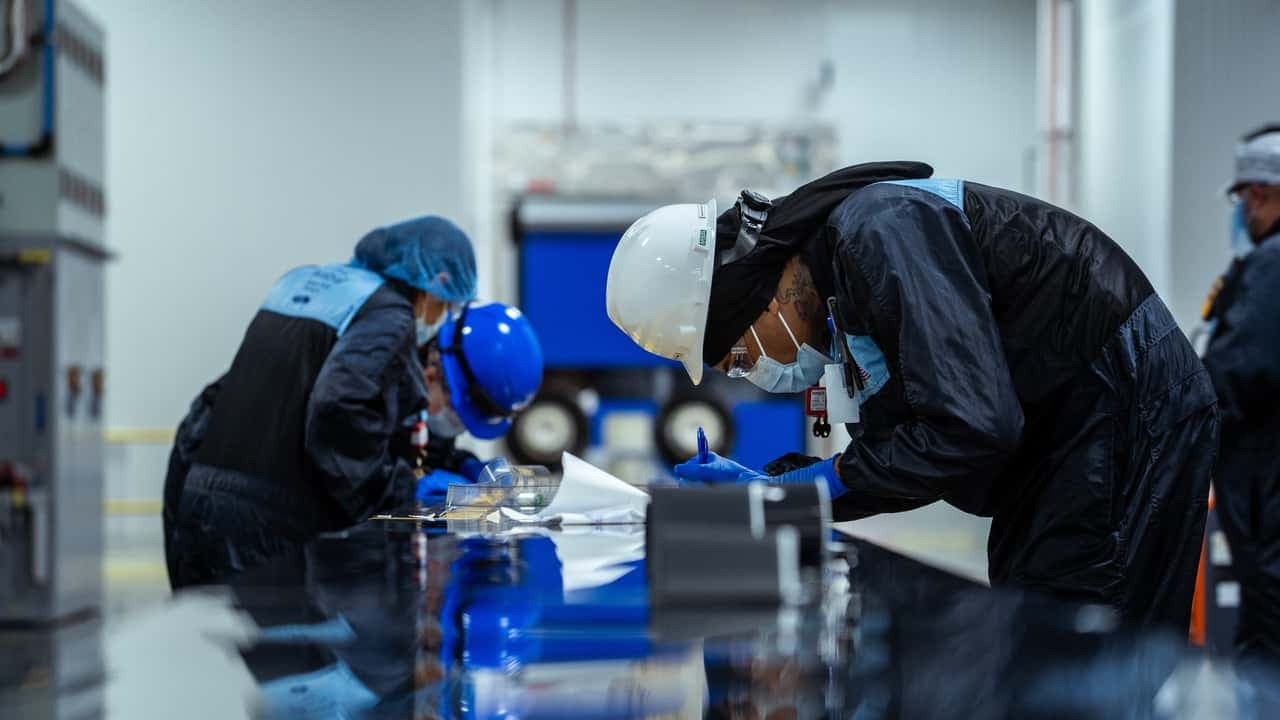
The production floor at BlueOval Battery Park is a testament to the scale of Ford’s commitment to quality. The manufacturing process involves thousands of automated checkpoints designed to catch microscopic anomalies that could lead to long-term battery degradation. Advanced diagnostic tools, including high-resolution CT scanners, X-ray machines, and AI-driven camera inspections, work in tandem to monitor every stage of production. For instance, as the anode slurry is applied to copper foil, laser sensors scan every single millimeter to detect wrinkles or coating inconsistencies that could compromise performance.
Ford’s rigorous standards even extend to “red rabbit” testing—a process where engineers intentionally introduce damaged components into the assembly line. This confirms that the facility's quality-control AI and sensor arrays are functioning correctly and are capable of isolating compromised cells. This level of traceability allows the company to quarantine specific batches of materials, ensuring that only the highest quality components ever reach the assembly stage.
Real-World Simulation and Reliability
Once the battery packs are fully assembled, they must survive a gauntlet of physical tests that replicate years of abuse on the road. Ford utilizes hydraulic shakers that mimic the grueling vibrations and impacts of real-world driving, subjecting the packs to twisting, diving, and constant oscillation. Before the final installation, every pack undergoes rigorous helium leak testing, ensuring that the housing remains airtight and protected against environmental hazards like moisture and road debris.
Why it matters: As Ford looks to put past warranty issues behind it, this focus on durability is critical for the Fathom’s success. The company’s ability to maximize material efficiency while minimizing the risk of thermal events is not just a safety measure; it is a vital step toward profitability. By utilizing lessons learned from the Mach-E and F-150 Lightning programs, Ford is attempting to set a new standard for battery longevity, aiming to ensure that the next generation of its EVs can maintain high capacity even after hundreds of thousands of miles on the road.