Expanding the Footprint in Thailand
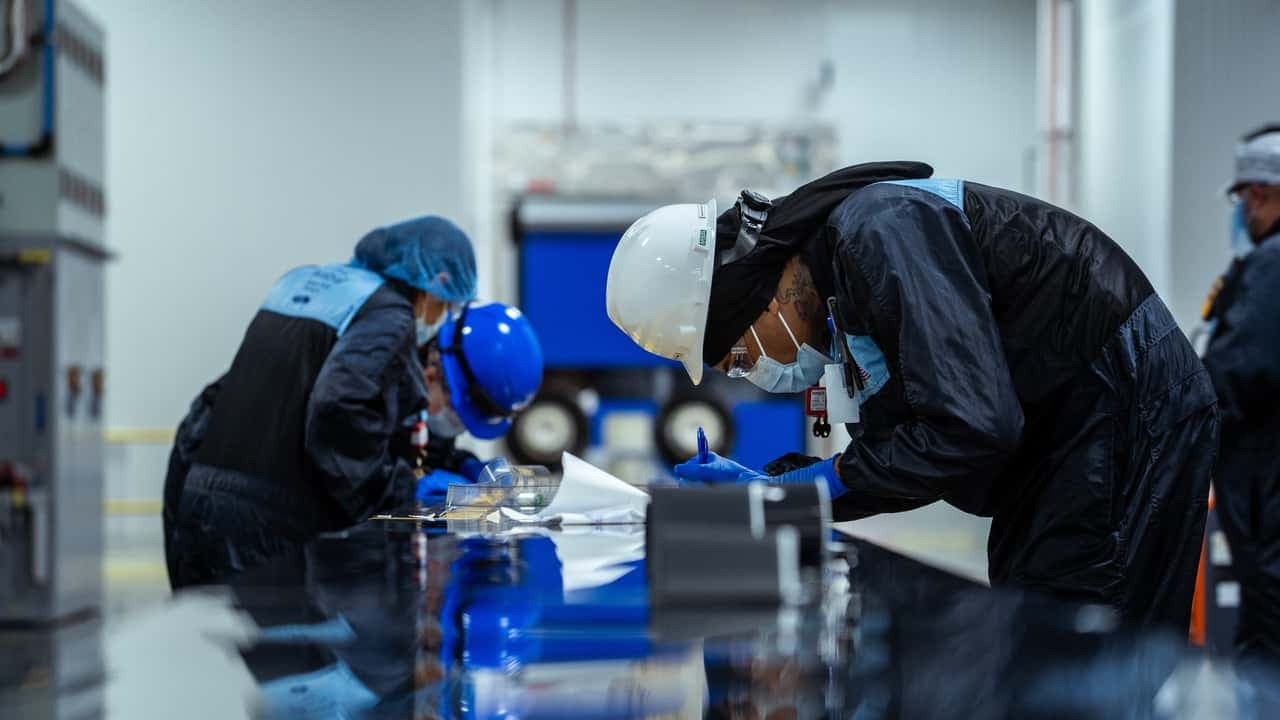
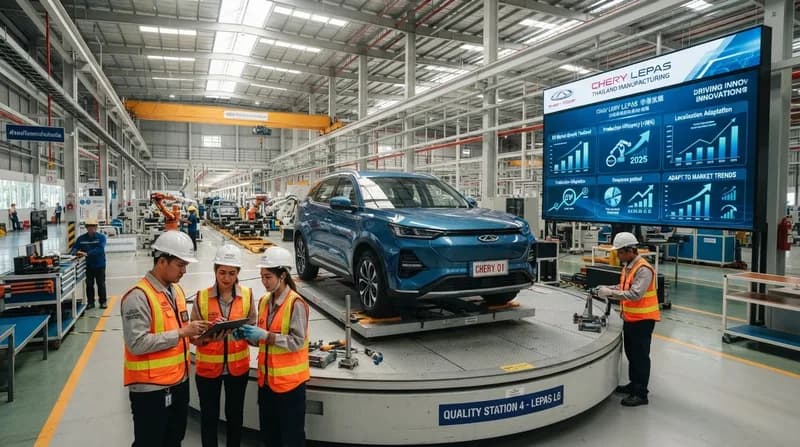
The Chery Group has taken a significant step in its Southeast Asian expansion strategy by commencing the local assembly of its newest electric vehicle brand, Lepas, at its manufacturing facility in Nikhom Phatthana, Rayong. The operation, which officially began following the plant's inauguration earlier this spring, is currently focused on the production of the Lepas L6 EV. By utilizing completely knocked-down (CKD) kits imported from China, the joint venture—Omoda & Jaecoo Manufacturing (Thailand)—is positioning itself to effectively navigate the evolving automotive landscape in the region.
This production facility is not merely a satellite assembly point; it represents a major investment in regional capacity. With a sprawling footprint of approximately 16.64 hectares, the plant is designed to scale operations incrementally. Chery Group has outlined ambitious plans to increase the site's annual production capacity to 80,000 units by 2030, reinforcing Thailand’s status as a critical hub for the company’s global supply chain.
Why Local Assembly Matters
The urgency behind this local assembly initiative is largely driven by shifts in Thai regulatory policy. Beginning in January 2027, the Thai government is set to impose a uniform 35 percent excise tax on pure electric vehicles and range-extended models imported as completely built-up (CBU) units. This represents a substantial increase from the current 10 percent and 15 percent levies, respectively. By transitioning to local assembly, Chery is proactively mitigating these cost burdens, ensuring their vehicles remain attractively priced for local consumers despite the looming fiscal changes.
A Robust Roadmap for the Rayong Facility
Beyond the current assembly of the Lepas L6 EV, the Rayong plant is already a hive of activity, handling the production of multiple models, including the Chery V23, Omoda C5 EV, and the Jaecoo 5 and 6 EVs. The facility’s future roadmap is equally aggressive, with plans to incorporate additional Lepas models like the L4, alongside vehicles from the Chery, Omoda, and Jaecoo stables, such as the QQ and the C4. Furthermore, the company intends to diversify the production line by localizing at least six plug-in hybrid electric vehicle (PHEV) models, starting with the Lepas L8.
- Strategic Localization: Shifting from CBU imports to CKD assembly to bypass rising excise taxes.
- Scalable Infrastructure: Targeted capacity expansion to 80,000 units by the end of the decade.
- Broad Portfolio: Future integration of diverse EV and PHEV models across Chery, Omoda, Jaecoo, and Lepas branding.
As competitors like Leapmotor, Xpeng, and Voyah also explore local manufacturing avenues to remain viable in the Thai market, Chery’s established infrastructure provides it with a notable first-mover advantage. For consumers, this signifies a commitment to better availability and localized service support as the company deepens its roots within the Thai automotive ecosystem.