The Era of Bidirectional Charging Begins
Volkswagen, through its energy subsidiary Elli, is officially transforming the electric vehicle from a mere transportation tool into a cornerstone of home energy management. The company has announced the imminent launch of its first Vehicle-to-Grid (V2G) package, slated to debut in the German market this December. By providing a hardware solution at a competitive price point, Volkswagen is signaling a major shift toward making bidirectional charging a standard expectation for EV owners rather than an experimental luxury.
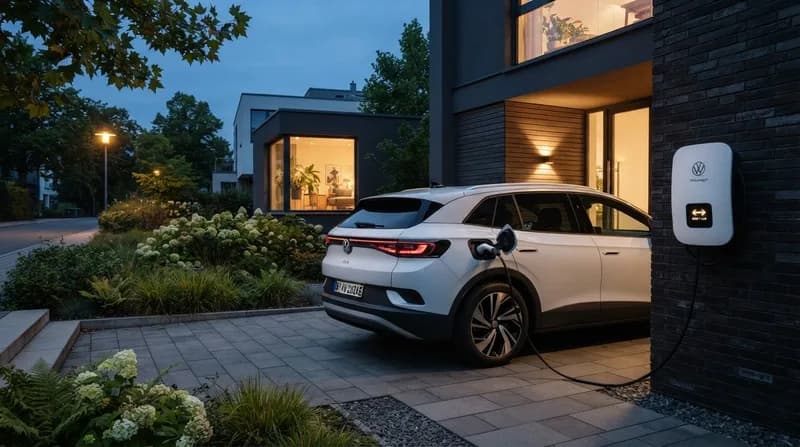
The centerpiece of this initiative is the Elli BiDi Charger, a compact DC wallbox priced at €1,995, inclusive of VAT and shipping. This launch marks a significant expansion of support across the Volkswagen Group, now encompassing Volkswagen passenger and commercial vehicles, Cupra, and, notably, Skoda. This breadth of integration ensures that a substantial portion of the group's existing and future fleet can participate in grid-balancing efforts.
Technical Capabilities and Infrastructure
The hardware itself is engineered for versatility, supporting up to 11 kW of both charging and discharging power. It is designed to handle both 400-volt and 800-volt vehicle architectures, ensuring compatibility with a wide range of current and upcoming EV platforms. By adopting the ISO 15118-20 communication standard, the charger is not only ready for current VW-group models but is also future-proofed for potential interoperability with vehicles from other manufacturers.
To manage this complex energy exchange, Elli has partnered with The Mobility House, a specialist firm in the energy sector. Installation is a strictly managed process; interested customers must first pass a digital pre-check on the Elli website and coordinate with local metering point operators to install a mandatory smart meter. This rigorous approach ensures that every home setup meets the necessary grid-integration standards before the hardware is commissioned.
Incentives and Grid Integration
The economic model behind the V2G program is built upon the 'Volkswagen Naturstrom' tariff structure. Initially, the incentive model rewards users based on their 'plug-in time'—meaning the duration the vehicle remains connected to the charger. Customers can earn €0.24 per hour for sessions lasting three hours or longer, with the potential to earn up to €60 per month, totaling €720 annually. This structure encourages users to keep their vehicles grid-connected during idle periods.
Looking ahead, Elli plans to introduce a more advanced remuneration tier, offering €0.40 per kilowatt-hour for energy actually fed back into the grid. While the exact start date for this billing tier is currently pending, it represents the next logical step in making bidirectional charging a truly profitable endeavor for the consumer. User control is managed entirely via the Elli BiDi V2G App, which allows owners to define their necessary departure times and preferred minimum charge levels to ensure they always have enough range for their daily driving requirements.
Why it Matters: The Path to V2H
Volkswagen’s strategy extends beyond grid stabilization. The company has explicitly stated that Vehicle-to-Home (V2H) functionality is scheduled for release in 2027. This development will allow users to utilize their vehicle's battery as a domestic buffer, effectively storing energy from private solar arrays to power their homes. Having already tested this technology across 85,000 operating hours in pilot programs, Volkswagen is positioning itself to lead the transition toward decentralized home energy ecosystems.