Electric VehiclesTechnical Deep Dive

New York Legislates Against the 'Subscriptionification' of Your Car

Published
EElectricBuzz Editorial Team
New York Legislates Against the 'Subscriptionification' of Your Car
3 min read450 wordsElectricBuzz Editorial Team

The Gist

“A landmark law in New York aims to prevent automakers from gating hardware-based features behind recurring subscription fees, drawing a firm line on what services can truly be monetized.”

The End of Pay-to-Play Hardware

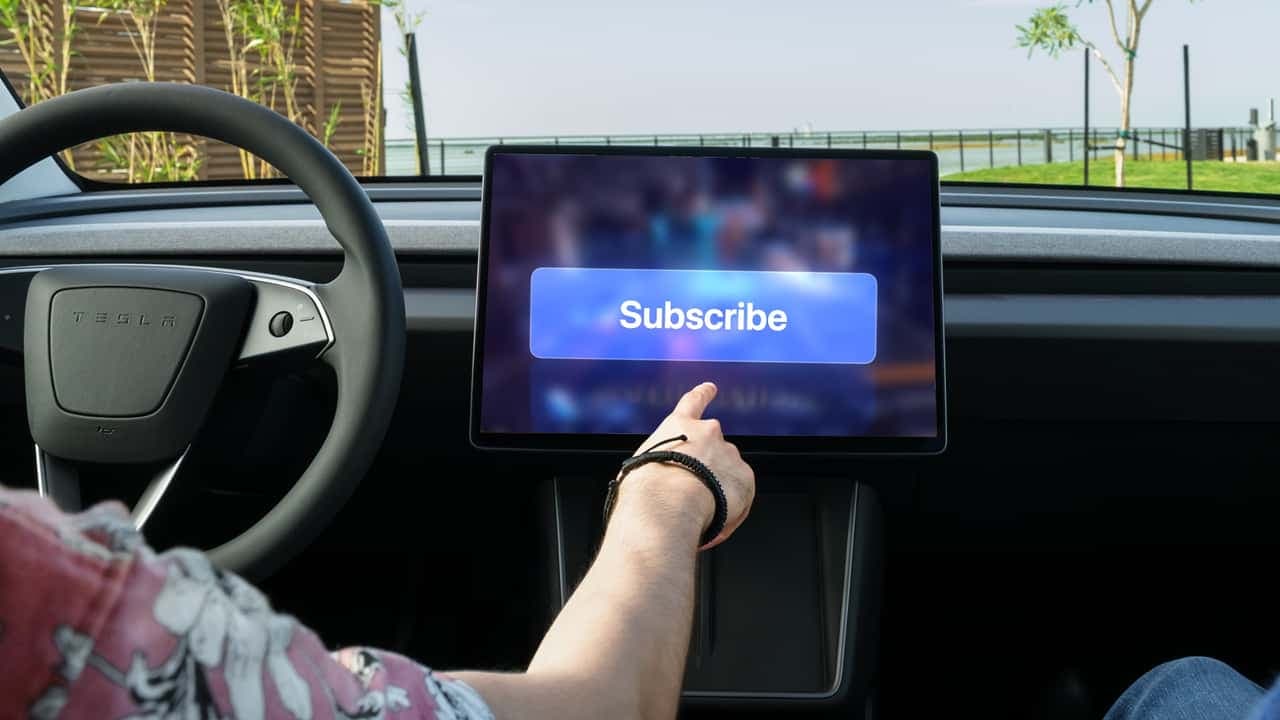
For several years, the automotive industry has been pushing a new business model: treating vehicles less like permanent assets and more like subscription-based service platforms. Consumers have watched in frustration as automakers attempted to lock pre-installed hardware—such as heated seats, remote start, and steering wheel warmers—behind digital paywalls. New York State has officially pushed back, enacting a law that prohibits manufacturers from charging ongoing subscription fees for features that require no recurring costs to the provider.

Governor Kathy Hochul’s signature on this new legislation signals a turning point in the consumer-versus-automaker dynamic. The core tenet of the law is simple: if the hardware is already integrated into the vehicle at the point of sale, and it does not incur continuous operational expenses for the manufacturer, it should be fully unlocked for the owner. This move effectively categorizes "feature-on-demand" models that merely act as software locks on physical components as an unfair cash grab, rather than a genuine service.

The Distinction Between Static Hardware and Dynamic Services

The legislation is careful to distinguish between "dumb" hardware and "live" services. While it aims to curb the monetization of base amenities, it creates clear carve-outs for features that require active support, server infrastructure, or ongoing software development. This means that services requiring constant connectivity or iterative engineering are generally exempt from the ban.

Key exclusions under the new law include:

  • Advanced Driver Assistance Systems (ADAS): Features like automated driving capabilities that require constant over-the-air updates and development.
  • Connectivity Services: Including in-car cellular hotspots, satellite radio, and vehicle telematics.
  • Navigation and Infotainment: Systems that rely on cloud-based mapping, real-time traffic data, and streaming entertainment platforms.
  • Roadside Assistance: Services that depend on third-party human or digital support networks.

What the Future Holds for Software Upgrades

The impact of this law will likely be felt most keenly by brands that have experimented with "performance unlocks." For instance, software-based power boosts—where a vehicle is electronically capped at the factory and then "unlocked" for a fee—face an uncertain future in New York. If such upgrades offer better performance without requiring ongoing manufacturer support, the law suggests they should likely be included in the base purchase price or sold as a one-time fee rather than a recurring subscription.

This legislation aligns with a growing sentiment among automotive enthusiasts and consumer advocacy groups: that a vehicle should be a complete product once it leaves the dealership lot. While the era of the connected car is here to stay, this law serves as a vital safeguard, ensuring that the march toward "Software Defined Vehicles" does not lead to a reality where essential vehicle functions are treated like mobile phone apps requiring a monthly bill to function.


SPONSORED
The 5 Best Over-Ear ANC Headphones of 2026, Tested & Ranked
Editor's Pick Guide
92/100
Tech & Gadgets•12 min read

The 5 Best Over-Ear ANC Headphones of 2026, Tested & Ranked

We locked five over-ear ANC picks for 2026 — Sony WH-1000XM6, Bose QuietComfort Ultra 2, Soundcore Space One, Sennheiser Momentum 5, and Apple AirPods Max 2 — then stress-tested them on lab metrics, long-term owner truth, and live street prices.

Related Stories

Semantically matched articles, ranked by topic overlap and freshness.

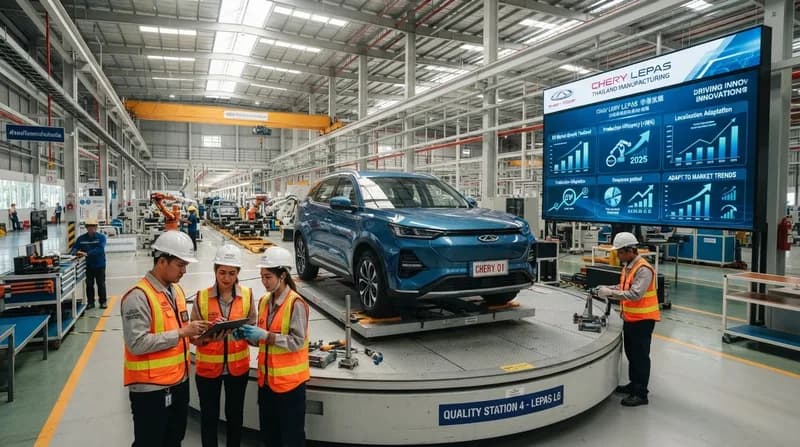
Chery Group Accelerates Thailand EV Strategy with Local Lepas L6 Assembly
Electric Vehicles

Chery Group Accelerates Thailand EV Strategy with Local Lepas L6 Assembly

As Thailand prepares for a significant EV tax hike, Chery Group has officially kicked off local assembly for its new Lepas brand to maintain market competitiveness.

Exicom Moves to Divest Tritium Following Two-Year Strategic Turnaround
Electric Vehicles

Exicom Moves to Divest Tritium Following Two-Year Strategic Turnaround

Just under two years after acquiring the insolvent Tritium, Indian charging infrastructure leader Exicom plans to sell the brand to sharpen its focus on domestic expansion.

Inside the Ford 'Abuse Lab': How Engineers Are Stress-Testing Future EV Batteries
Electric Vehicles

Inside the Ford 'Abuse Lab': How Engineers Are Stress-Testing Future EV Batteries

Ford is taking a granular approach to battery safety by embedding a dedicated failure-analysis team directly into the development and manufacturing process of its newest LFP battery packs.

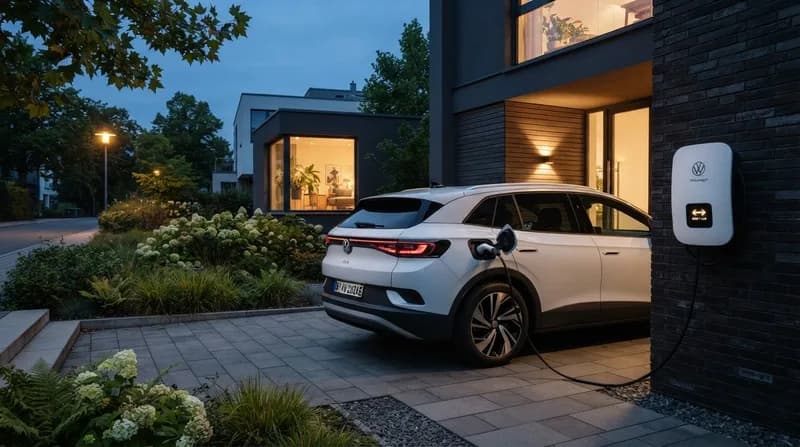
Volkswagen and Elli Launch Affordable Bidirectional Charging for the Mass Market
Electric Vehicles

Volkswagen and Elli Launch Affordable Bidirectional Charging for the Mass Market

Volkswagen is set to bring V2G technology to German households this December with the launch of an accessible, €1,995 bidirectional wallbox.

Adani Cement Bets Big on Electrification With Massive 410-Truck Fleet Expansion
Electric Vehicles

Adani Cement Bets Big on Electrification With Massive 410-Truck Fleet Expansion

Adani Cement is aggressively decarbonizing its logistics chain by deploying hundreds of heavy-duty electric trucks across India to combat rising diesel costs and carbon output.

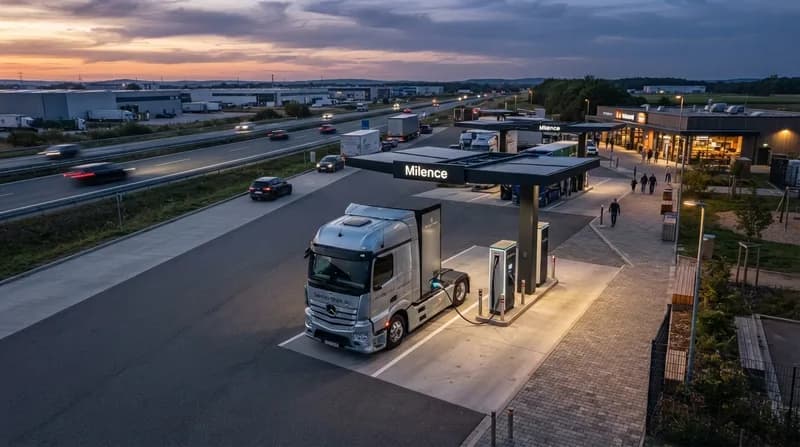
Daimler Truck Expands European Charging Ecosystem with Milence Integration
Electric Vehicles

Daimler Truck Expands European Charging Ecosystem with Milence Integration

Daimler Truck is scaling its TruckCharge network across 21 countries, signaling a pivotal move to bridge the gap between private depot infrastructure and public charging hubs.

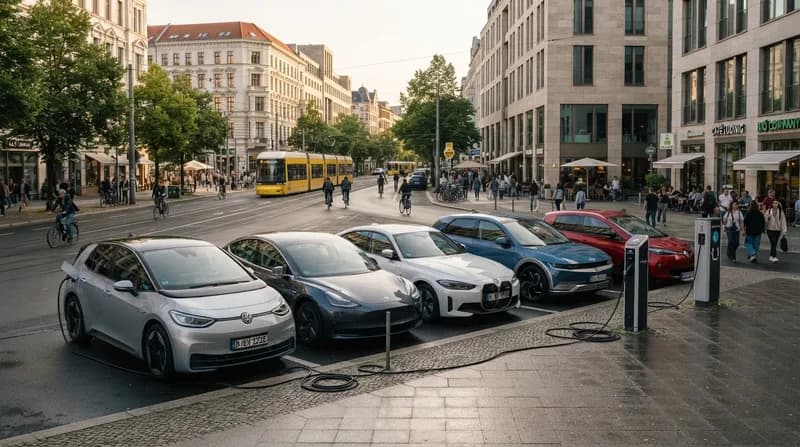
EU Electric Vehicle Market Reaches Massive 30% Milestone
Electric Vehicles

EU Electric Vehicle Market Reaches Massive 30% Milestone

New data from the ACEA confirms a surge in battery-electric vehicle registrations across the European Union, signaling a pivotal shift in consumer preference toward zero-emission transport.

Volkswagen’s Electric Success Story Turns Into a Supply Chain Nightmare
Electric Vehicles

Volkswagen’s Electric Success Story Turns Into a Supply Chain Nightmare

The runaway success of the VW ID. Polo and its siblings has created a production bottleneck, with some customers facing wait times of over a year.