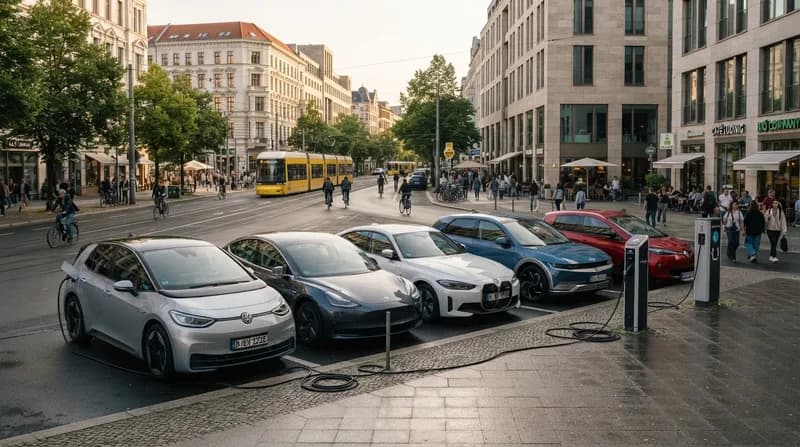
A Major Shift in European Mobility
The landscape of the European passenger car market is undergoing a fundamental transformation. According to the latest statistics from the European Automobile Manufacturers’ Association (ACEA), battery-electric vehicles (BEVs) have officially captured nearly 30 percent of the EU market share in October 2026. This milestone reflects a broader trend of rapid electrification, with more than 279,000 new electric cars registered in a single month—a staggering 61.4 percent increase compared to the same period last year.
This growth is not merely a short-term spike but a sustained trend. Year-to-date figures show that over 2.2 million BEVs have been registered since January, representing a 50 percent leap over the first ten months of the previous year. As the industry approaches the end of the calendar year, it is clear that battery-electric cars have cemented their position as the second most popular powertrain in the EU, trailing only traditional hybrids.
The Stagnation of Internal Combustion
As EV adoption surges, the traditional fuel-based sector is experiencing a sharp decline. While non-plug-in hybrids currently hold the top spot with a 34 percent market share, their growth has effectively plateaued, showing a negligible 0.3 percent increase. Conversely, the market for petrol and diesel vehicles is plummeting; petrol vehicles now account for just 17 percent of the market—down 30 percent year-on-year—while diesel models have shrunk to a mere 5 percent share, falling 31 percent compared to previous figures.
The combined share of petrol and diesel cars in the EU has dropped to 27.7 percent for the year, a significant retreat from the 36.5 percent share they held just one year prior. This divergence highlights a decisive consumer migration toward electric and electrified drivetrains, driven by both policy incentives and an expanding variety of available models.
The Role of Chinese Automotive Brands
A significant driver of this momentum is the aggressive expansion of international manufacturers, particularly those from China. While ACEA data focuses on regional and overall brand trends, the surge in registrations for manufacturers like BYD, SAIC (MG), and Chery is impossible to ignore. BYD alone saw a massive 128 percent increase in registrations during October, totaling nearly 31,000 vehicles. Newer entrants like Leapmotor and Xpeng also posted triple-digit growth percentages, reflecting a highly competitive and diversified electric market.
Why it Matters
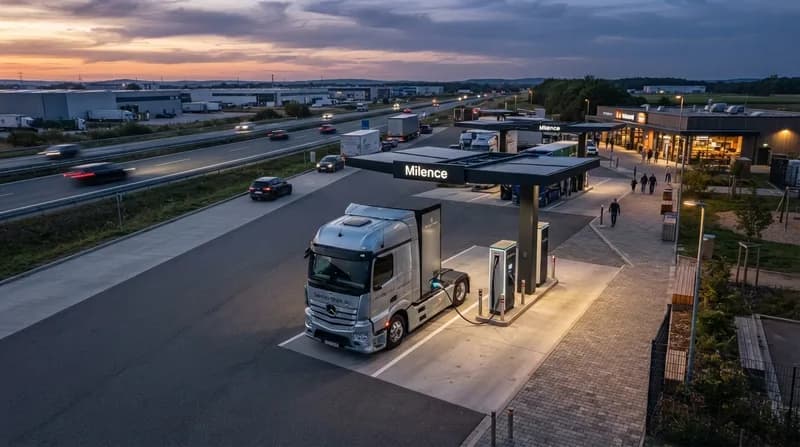
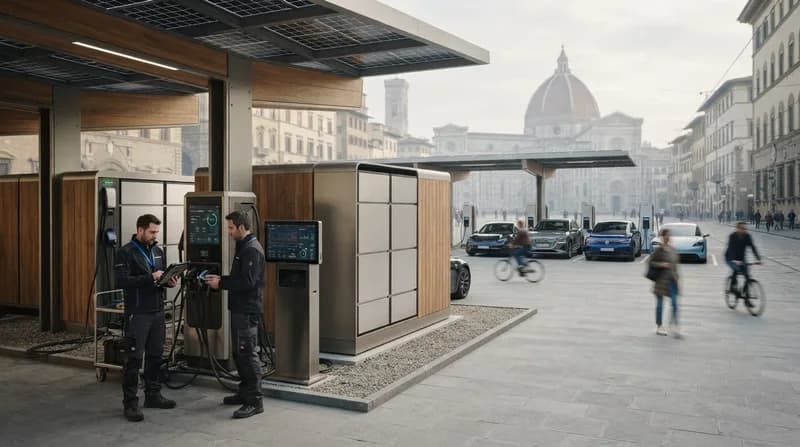
- Infrastructure Pressure: With nearly one in four new cars being electric, the demand for high-speed charging infrastructure will necessitate faster deployment across the EU.
- Market Dominance: The decline of diesel and petrol suggests that the "tipping point" for internal combustion engines in Europe is no longer a theoretical projection but a present reality.
- Global Competition: The strong performance of non-European brands suggests that EU consumers are increasingly comfortable with diverse global players, forcing domestic incumbents to accelerate their own EV production timelines to remain relevant.
A Regional View: Beyond the EU
The momentum of electrification extends beyond the borders of the European Union. In the EFTA states—Iceland, Norway, and Switzerland—BEV registrations rose by 52 percent in October. Similarly, the United Kingdom recorded a 33 percent year-on-year increase. When aggregated, the entire European region saw over 350,000 new BEV registrations in October alone, bringing the year-to-date total to 2.9 million electric vehicles, a 43.5 percent increase over the previous year. This regional synchronization suggests that the shift toward sustainable transport is a pan-European phenomenon rather than an isolated economic trend.