The Strategic Evolution of Battery Integration
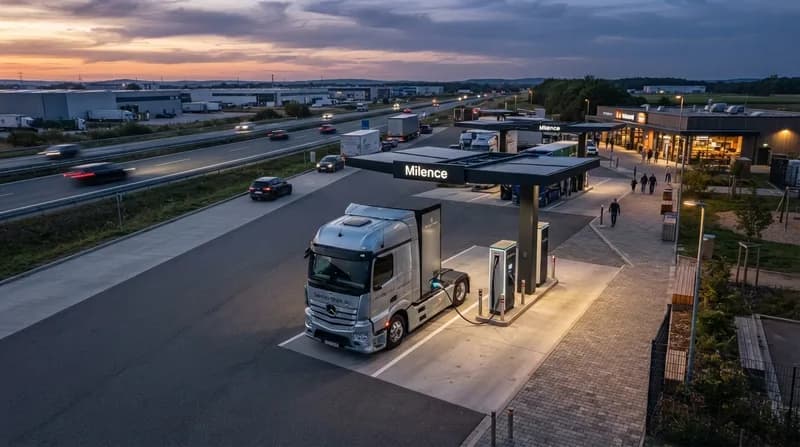
As the electric vehicle charging landscape matures, operators are increasingly looking beyond simple plug-and-play installations. Electra, the French fast-charging specialist that recently bolstered its presence with the acquisition of Mercedes-Benz’s European charging hubs, is leading a push toward smarter site design. With over 800 charging parks now in its portfolio, the company is leaning heavily into on-site battery storage systems to bridge the gap between volatile grid capabilities and rising consumer demand.
For Electra, the move to integrate storage is not a singular solution to all power woes, but rather a flexible tactical component. By utilizing external storage systems alongside high-powered chargers, such as those from Alpitronic, the company can deploy infrastructure in areas where grid upgrades are pending. This approach effectively lowers the risk associated with site utilization, allowing Electra to launch operations while waiting for long-term medium-voltage grid connections to materialize.
Overcoming Grid and Spatial Constraints
The benefits of these storage systems extend beyond simple energy supply. In densely populated urban environments, such as Munich, the physical footprint of infrastructure is a major hurdle. Installing traditional transformer and transfer stations is often impossible due to space constraints and high land costs. Battery systems offer a modular alternative, allowing developers to decouple components and arrange them more efficiently within limited urban plots.
Despite these advantages, the industry faces significant friction from utility providers. Many grid operators view large-scale stationary storage with caution, often misinterpreting charging hub buffers as simple domestic storage units. Furthermore, technical disagreements regarding short-circuit current contributions continue to delay projects. Electra reports that regulatory hurdles and the lack of a standardized approach to grid integration often lead to extended negotiations, sometimes lasting up to a year, which complicates the rapid rollout of necessary charging infrastructure.
Why It Matters: The Future of Grid Flexibility
The reliance on battery storage is currently a balancing act between initial deployment speed and long-term site viability. As sites reach higher utilization rates—particularly at high-traffic motorway locations—the dependency on battery buffers may shift. While storage is vital for peak-shaving during holiday surges or managing high-demand windows, a robust grid connection remains the ultimate goal for high-throughput hubs.
- Operational Flexibility: Allows for temporary low-voltage setups that can be upgraded to medium-voltage without disrupting existing infrastructure.
- Peak Management: Batteries act as a hedge against grid-imposed capacity limits, absorbing spikes in demand and preventing charging drops.
- Strategic Trading: On-site storage enables the company to purchase electricity during off-peak, lower-cost windows, optimizing the economic model of individual hubs.
- Policy Hurdles: Inconsistent grid connection policies and restrictive, non-guaranteed capacity agreements remain the primary barriers to stable investment and rapid growth.
Ultimately, while battery storage is a powerful catalyst for growth, managers at firms like Electra emphasize that it is not a panacea. The path forward requires a more collaborative relationship with policymakers and grid operators, particularly regarding the standardization of flexible connection contracts. Without reliable, long-term power guarantees, the massive capital investments required for modern charging parks remain, in the words of industry leaders, a difficult equation to solve.