The Great Parking Marathon
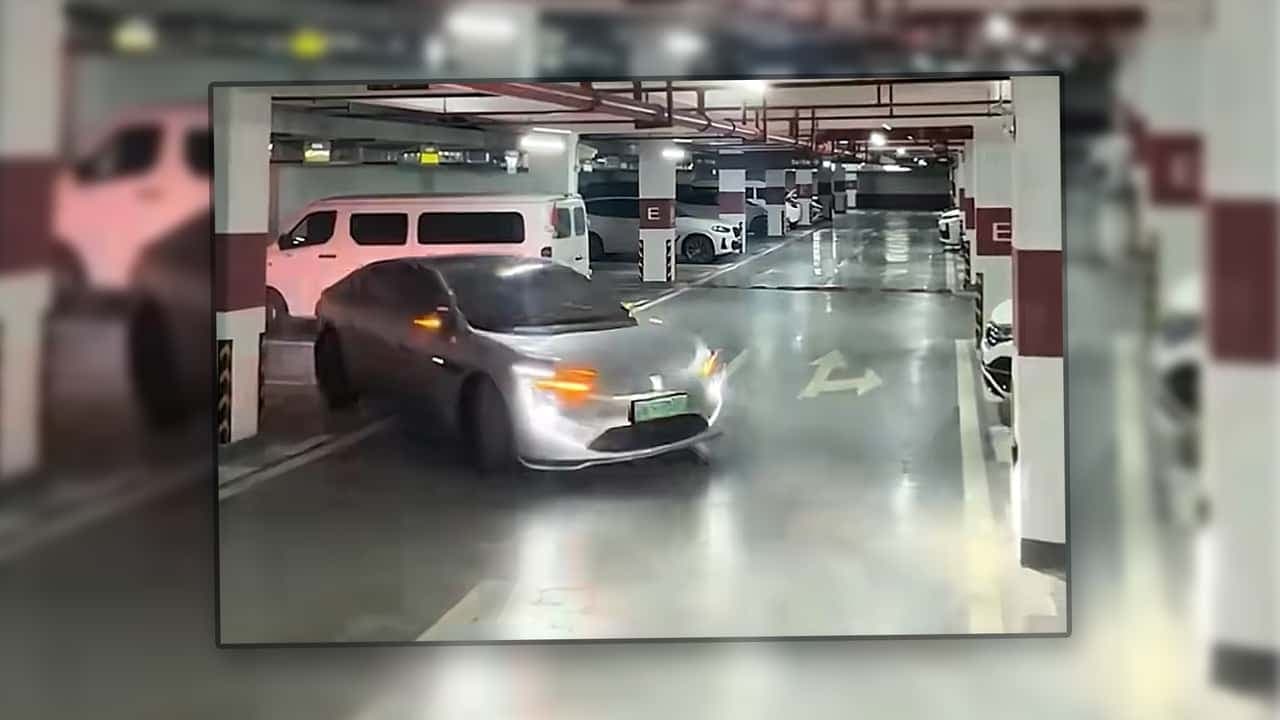
In a bizarre scene captured by security footage in China’s Anhui Province, an Avatr electric vehicle was observed performing a repetitive, late-night ritual: parking, reversing, and repositioning itself over and over again. While most drivers might perform a single adjustment if a parking job feels slightly askew, this particular vehicle repeated the process an astonishing 868 times in a single overnight stretch. The footage, which has since gone viral, shows the car endlessly shuffling within a garage space without a driver in sight.
Initial reactions to the video suggested a potential software failure—an overzealous autonomous parking system that could never quite settle on the 'perfect' alignment. However, as more footage of different Avatr and Huajing-branded vehicles performing identical maneuvers began to surface, a more calculated explanation emerged. It appears these cars were not suffering from a glitch, but were instead participating in an unofficial endurance test orchestrated by their owners.
The Huawei 'Parking Elite' Gamification Theory
The timing of these marathon parking sessions coincides perfectly with a promotional contest hosted by Huawei. The tech giant recently concluded a challenge centered on its 'Qiankun Intelligent Driving' system, a sophisticated software suite designed to assist with navigation, remote parking, and vehicle maneuvering. To encourage the adoption and demonstration of these features, Huawei offered points to drivers who utilized the system’s various capabilities, including a specific 'Parking Elite' category.
This category tracked the frequency and success of automated parking functions, promising that the top 100 drivers would earn points redeemable for in-app discounts and rewards. According to reports from the region, the incentive structure led to a surge in 'automated activity,' with some users openly bragging about completing upwards of 1,000 parking sessions in a single day. Rather than a malfunction, the vehicles were effectively 'farming' points by running the automated parking routines continuously, pushing the limits of the software's engagement logic.
Why it Matters: The Fine Line Between Testing and Gaming
This incident highlights a growing tension in the automotive sector as manufacturers increasingly turn to gamification to drive software adoption. While these features are intended to assist human drivers, the ease with which users can automate these tasks raises questions about the long-term stress on hardware components, such as gear shifters and parking sensors, that were not necessarily designed to operate in high-frequency loops.
- Software vs. Autonomy: It is crucial to distinguish that Huawei's Qiankun system is marketed as a Driver Assistance System (ADAS), not a fully autonomous pilot. Human supervision is explicitly required by the manufacturers.
- Safety Implications: While the parking lot remained largely empty during these sessions, the repetitive motion of vehicles executing autonomous commands without an occupant inside raises new questions regarding fleet management and safety protocols in shared spaces.
- Platform Integrity: As manufacturers introduce point-based loyalty programs for tech features, they must grapple with the reality that users will find ways to exploit metrics, potentially skewing data that companies rely on to improve their AI models.
As the automotive industry pivots toward software-defined vehicles, the 'parking ghost' phenomenon serves as a humorous but poignant reminder that technology—and the humans who use it—will always find unexpected ways to push the boundaries of automated systems.