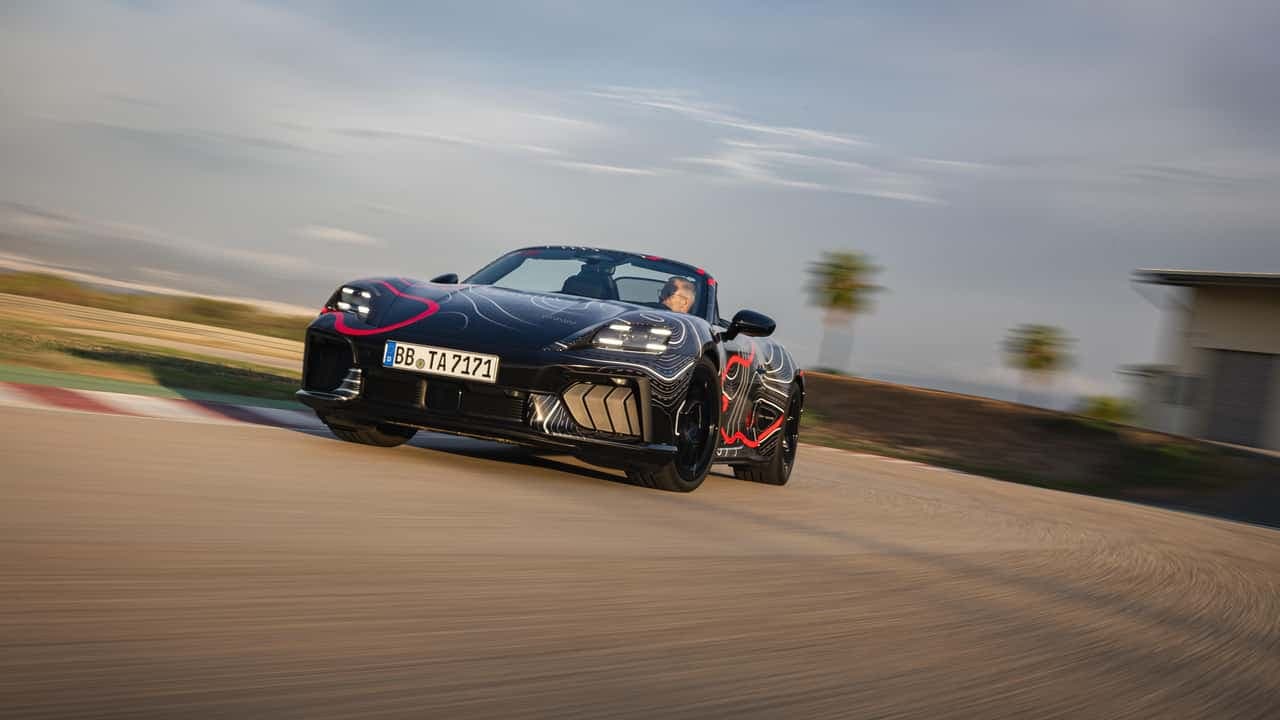
A New Chapter for the Iconic Roadster
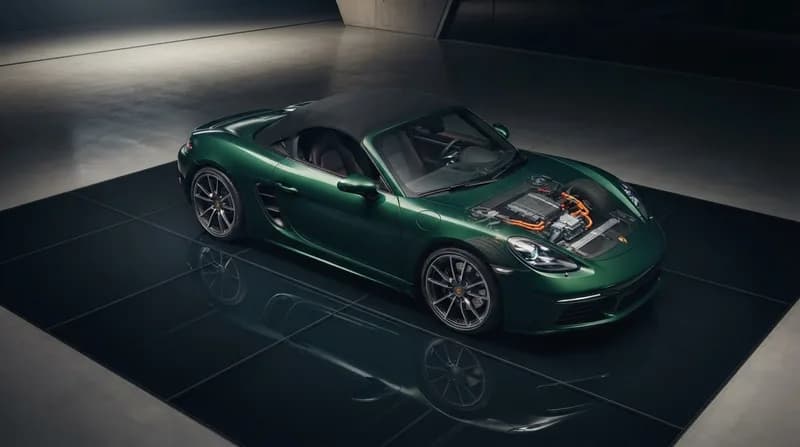
The automotive industry is currently witnessing a pivotal shift as Porsche prepares to launch the next-generation Boxster, internally known as the 983. As the brand's first true enthusiast-focused roadster to swap traditional combustion power for an all-electric drivetrain, the stakes for this vehicle could not be higher. Early prototype evaluations have finally surfaced, and the prevailing consensus among critics is that Porsche has succeeded in preserving the fundamental DNA that defines the Boxster experience.
For decades, the Boxster has been celebrated not for raw straight-line speed, but for its agility, precision, and balance on winding roads. By prioritizing these characteristics, Porsche appears to have crafted an electric vehicle that feels authentic to its heritage. The shift to electric power has not sacrificed the brand's commitment to driver engagement, but rather provided a new platform to refine the car's legendary handling capabilities.
Refined Dynamics and Precision Engineering
One of the most praised aspects of the new 983 prototype is its steering, which reportedly borrows directly from the 992.2 911 Carrera GTS. Critics have noted that the steering feel is incredibly sharp and accurate, offering the precise feedback expected of a high-end Porsche. The inclusion of rear-axle steering further bolsters the vehicle's maneuverability, allowing for quick, confident turn-ins during spirited driving.
Beyond the steering, the vehicle’s chassis dynamics have been optimized to mimic the rear-biased weight distribution of previous generations. By strategically placing the battery pack behind the driver—rather than using a conventional skateboard-style floor layout—Porsche has achieved a lower center of gravity while maintaining the classic sports car silhouette and seating position. This design choice ensures that passengers sit lower, providing a more immersive driving experience that mirrors the feeling of internal combustion models.
Why it Matters: The Future of Electric Sports Cars
The successful transition of a heritage nameplate like the Boxster to an electric-only powertrain is a significant bellwether for the industry. As manufacturers face increasing pressure to electrify their lineups, the Boxster serves as a proof-of-concept for how to maintain brand loyalty without relying on the visceral soundtrack of a flat-six engine. If the final production model matches the performance and feel of these early prototypes, it could accelerate the adoption of electric platforms among traditional sports car enthusiasts who have historically been skeptical of battery-electric vehicles.
Technical Highlights of the 983 Platform
- Battery Placement: A custom battery architecture positioned behind the driver, replicating traditional mid-engine balance.
- Steering Geometry: High-performance steering components sourced from the 992.2 911 Carrera GTS for maximum feedback.
- Drivetrain: A rear-wheel-drive single-motor configuration paired with a mechanical limited-slip differential.
- Design Philosophy: A commitment to low-slung, ergonomic interior layouts that prioritize a driver-first environment over battery-induced height restrictions.
Ultimately, the electric Boxster appears poised to prove that performance EVs can be just as engaging as their gasoline counterparts. By focusing on weight distribution, steering accuracy, and chassis poise, Porsche is demonstrating that the thrill of driving is not tied to the fuel source, but to the precision of the engineering.