The Shift Toward Humanoid Automation
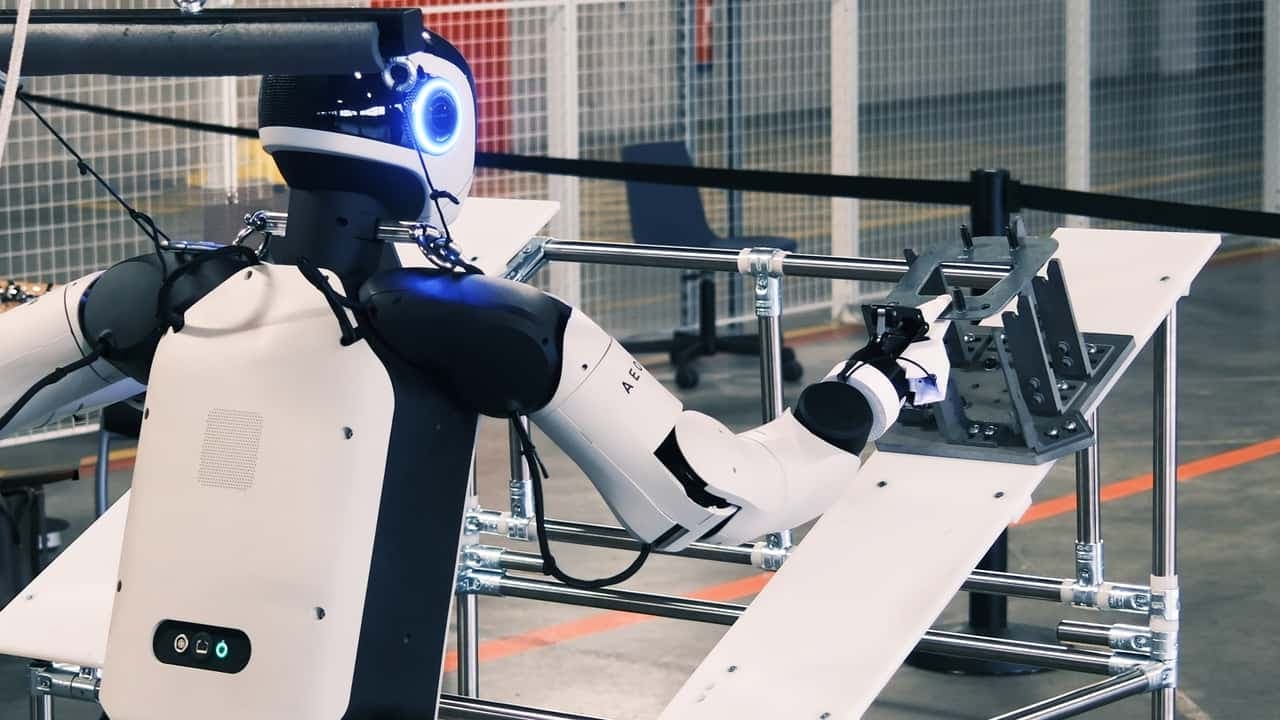
The automotive industry is undergoing a structural transformation, moving beyond static, fixed-arm industrial robots toward more versatile, AI-driven solutions. Volvo Cars is the latest major manufacturer to embrace this shift, signaling a move to integrate humanoid robots directly into the workflow of its production facilities. The company has begun initial training for its first fleet of Aeon robots at its manufacturing plant in Ghent, Belgium, where they are currently learning to execute precise pick-and-place maneuvers.
While traditional assembly lines have long relied on stationary robotic equipment, these new humanoid units are designed to navigate the factory floor with greater flexibility. By utilizing advanced sensors and imitation learning, these robots are being conditioned to handle tasks that were previously too complex or variable for legacy automation. Volvo’s stated objective is to alleviate the physical burden on human staff, targeting ergonomically taxing and repetitive roles that often lead to fatigue and long-term strain.
The Aeon Robot: Specs and Capabilities
Developed in partnership with Hexagon Robotics, the Aeon humanoid is engineered to integrate seamlessly into existing human-centric production environments. Standing at approximately 5.4 feet (1.65 meters) tall, the robot utilizes a wheeled base for mobility, allowing it to move through the plant at speeds reaching up to 5.3 miles per hour (8.6 kilometers per hour). This design choice prioritizes efficiency in navigating flat production floor surfaces while maintaining a compact footprint.
Regarding its physical workload, the Aeon unit weighs 132 pounds (60 kilograms) and is capable of carrying a payload of up to 22 pounds (10 kilograms). To ensure precision during assembly, the robot is equipped with a sophisticated array of cameras and proximity sensors. These systems allow the robot to interpret its environment in real-time, enabling it to accurately identify parts and place them into fixtures—even when components are not perfectly aligned every time.
Timeline and Operational Strategy
Volvo is adopting a measured, phased approach to this technology. Currently, the robots are in the imitation learning phase, where they are being manually guided through specific tasks involving part placement. Over the coming months, the training complexity will increase, moving from basic pick-and-place drills to more dynamic interactions with automated systems and multi-part handling. This methodical testing ensures that the robots can operate safely alongside human technicians.
While the initial units are currently undergoing rigorous trials, Volvo expects these machines to be fully operational in real-world production conditions by mid-2027. The integration is expected to complement rather than replace the human workforce, with the ultimate goal of improving factory ergonomics and operational throughput. As Volvo scales this technology, it joins a growing list of automotive giants—including Tesla, Ford, and Rivian—that are betting on humanoid versatility to define the next generation of smart, highly flexible vehicle manufacturing.
Why It Matters
- Ergonomics: Robots take over the most physically demanding, repetitive tasks, potentially reducing workplace injuries.
- Flexibility: Unlike static robotic arms, humanoid designs can move through existing factory layouts without requiring massive facility overhauls.
- Precision: Advanced AI-driven vision systems allow these robots to handle variables that would confuse traditional fixed-position machinery.
- Competitive Edge: As major automakers race to automate, the ability to successfully deploy AI-powered humanoids could significantly lower long-term manufacturing costs and improve production agility.