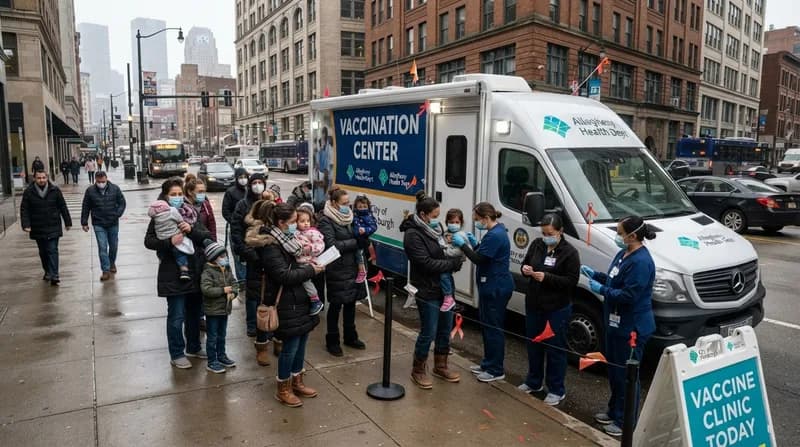
The Anatomy of the Outbreak
The United States is currently grappling with a severe resurgence of measles, a highly contagious virus that was officially declared eliminated within the country back in 2000. Public health data indicates that 2026 has become the most challenging year for infection rates since 1991, with nearly 3,900 confirmed cases reported nationwide. Pennsylvania now stands at the epicenter of this crisis, having surpassed 1,000 confirmed infections since the current outbreak began near Philadelphia in April.
The statistics coming out of Pennsylvania are sobering. Of the 1,004 confirmed cases within the state, 198 patients have required hospitalization, and five lives have been lost to the disease. These numbers underscore the persistent risk posed by the virus, which is capable of lingering in the air for up to two hours after an infected person has left a room. When unvaccinated individuals are exposed to an infected person, the transmission rate is alarmingly high, with nearly 90% of susceptible individuals contracting the pathogen.
The Impact of Declining Vaccination Coverage
Health experts are pointing toward a critical drop in vaccination rates as the primary catalyst for these widespread outbreaks. To achieve herd immunity and prevent the virus from gaining a foothold in communities, public health guidelines suggest that a minimum of 95% of the population must be vaccinated. In recent years, that threshold has been missed in numerous states, including Pennsylvania, Ohio, and Utah, due to a combination of factors including increased parental waivers, reduced healthcare access, and the proliferation of medical disinformation.
New York has also taken emergency measures in response to the regional spike in cases. Gov. Kathy Hochul recently declared a disaster emergency, an executive move designed to broaden the pool of professionals—such as midwives, paramedics, and expanded nursing staff—who are authorized to administer vaccines or order necessary testing. This aggressive strategy aims to curb the spread as international health authorities prepare to review whether the U.S. and Mexico have lost their "measles-free" status due to the lack of controlled domestic spread.
Context and Implications
- Historical Significance: This is the largest state-specific measles outbreak since a multi-year crisis in New York City during the early 1990s, which saw over 4,500 infections.
- Rising Mortality: The U.S. has recorded eight measles-related deaths in the last two years alone, a figure that exceeds the total number of deaths recorded over the previous three decades combined.
- Societal Factors: Outbreaks have disproportionately affected communities with low vaccination uptake, such as specific rural districts in Ohio and Pennsylvania, where high concentrations of populations like the Amish have historically shown lower immunization rates.
- Political Friction: The management of public data regarding these fatalities has become a point of controversy, with friction between state officials and federal health agencies regarding the timely reporting of deaths on national tracking dashboards.
As the nation moves into the winter months, the focus remains on closing the immunity gap. Without a swift return to higher, consistent vaccination coverage, public health officials warn that these outbreaks could continue to expand, threatening the gains made in infectious disease control over the last quarter-century.