Scaling the Electric Last Mile
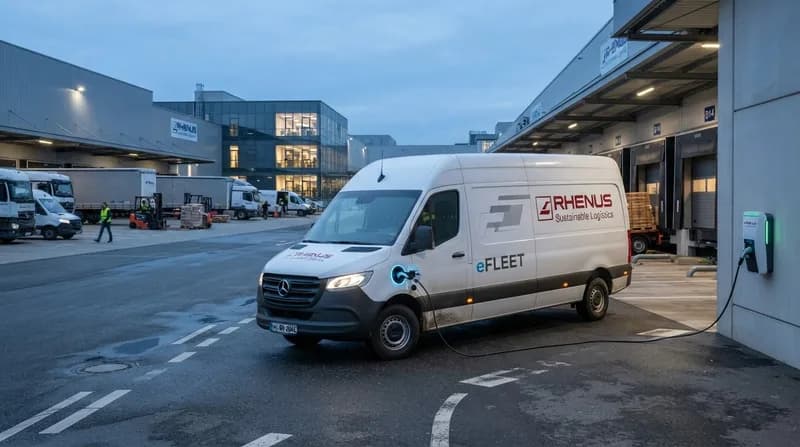
The global logistics landscape is undergoing a quiet, high-voltage transformation. Rhenus, a prominent international logistics services provider, has taken a significant step toward decarbonizing its domestic operations by deploying 51 new Mercedes-Benz eSprinter vans across Germany. These vehicles are designated for the company’s Home Delivery division, where they will handle the complexities of transporting furniture, large kitchen appliances, and various consumer electronics directly to customer doorsteps.
By integrating these electric vans, Rhenus is addressing the unique challenges of the "last mile." Urban environments and suburban residential areas are prime candidates for electrification, as routes are typically predictable and vehicles can return to centralized depots for overnight charging. This deployment follows a clear strategic roadmap by Rhenus to replace aging internal combustion fleets with sustainable, battery-electric alternatives that align with modern environmental regulations and corporate sustainability goals.
Vehicle Specifications and Capabilities
The newly commissioned eSprinter fleet is built upon the robust Mercedes-Benz rear-wheel-drive chassis, specifically engineered for the demands of commercial hauling. Each van is outfitted with a substantial 81-kWh battery pack, providing the necessary energy capacity to navigate dense delivery schedules without frequent mid-day charging stops. The powertrain delivers 100 kW of power, offering sufficient torque and efficiency for moving heavy household goods through stop-and-go traffic.
Technical flexibility is a hallmark of this configuration. The vans support 11 kW alternating current (AC) charging for standard depot replenishment, while also enabling rapid turnarounds through 115 kW direct current (DC) fast-charging capabilities. To accommodate bulky inventory, the chassis are fitted with custom box bodies from German manufacturer Junge Fahrzeugbau. Furthermore, the driver experience is modernized through the inclusion of the MBUX multimedia system and a suite of advanced safety features, including Active Brake Assist, Distance Assist, Blind-Spot Assist, and Lane-Keeping Assist, all designed to mitigate the risks inherent in dense urban delivery environments.
Why it Matters: The Future of Commercial Logistics
This deployment is part of a broader, international initiative by Rhenus. The logistics provider has already expanded its electric presence in Poland and is actively experimenting with hydrogen-powered heavy-duty transport, including the deployment of a Mercedes-Benz GenH2 truck in Duisburg earlier this year. The transition to EVs is not merely an environmental choice but an economic one, as logistics firms seek to optimize the total cost of ownership (TCO) through reduced maintenance and more predictable fuel—or in this case, energy—costs.
The industry is also looking ahead toward the next generation of commercial platforms. While these 51 units represent current-generation hardware, Mercedes-Benz is already preparing successors that will shift to an 800-volt architecture. These upcoming platforms promise significantly faster charging times and the integration of the proprietary MB.OS operating system, which will enable deeper fleet management integration and comprehensive over-the-air (OTA) feature updates. As these technologies mature, the efficiency gap between traditional internal combustion engines and electric commercial vehicles is expected to widen, solidifying the role of EVs in the global supply chain.