The Long Road to Reality
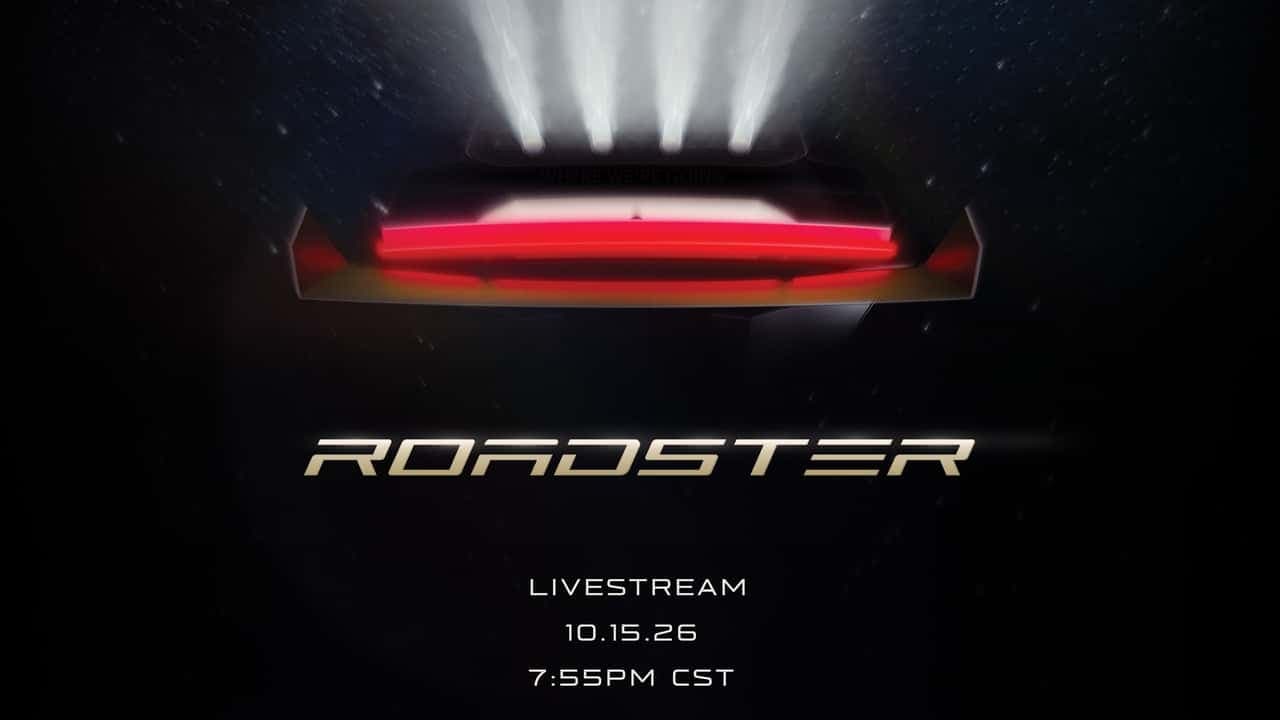
Few vehicles in modern automotive history have generated as much speculation as the second-generation Tesla Roadster. First teased nearly a decade ago, the project has transitioned from a groundbreaking announcement into a symbol of Tesla's long-term development cycle. After years of silence, shifting timelines, and high-profile social media teases from CEO Elon Musk, the company is finally ready to place the Roadster back under the spotlight with a scheduled livestream event.
The journey to this moment has been anything but conventional. When the vehicle was first unveiled during a surprise appearance at the end of the Tesla Semi launch event, it shocked the industry with a series of performance metrics that seemed pulled from science fiction. From a massive 200-kilowatt-hour battery pack to an astonishing zero-to-60 acceleration time of just one second, the Roadster set a benchmark for expectations that even Tesla has struggled to meet in the years since.
Setting the Stage for a New Debut
The upcoming event, which follows a weather-related postponement earlier this month, is set to be a pivotal moment for both the brand and its most loyal enthusiasts. Scheduled to broadcast on YouTube and X, the livestream represents an attempt by Tesla to reconcile the ambitious, almost hyperbolic claims made back in 2017 with the reality of current battery, chassis, and manufacturing technologies. As the automotive landscape has shifted toward high-volume models like the Model Y, the Roadster serves as a halo project—a statement of intent regarding what the company’s engineering teams can achieve when budget constraints are stripped away in favor of raw performance.
Why it Matters
- Performance Benchmark: If Tesla delivers on even a fraction of the 250+ mph top-speed claims, it will solidify the company’s position as a leader in electric performance.
- Technological Credibility: The reveal serves as a test of consumer trust after years of delays and evolving specifications.
- Brand Positioning: A successful launch of the Roadster reminds the market that Tesla is still driven by a "first principles" approach to innovation, moving beyond mass-market utilities to explore the limits of EV physics.
The Technical Hurdles Ahead
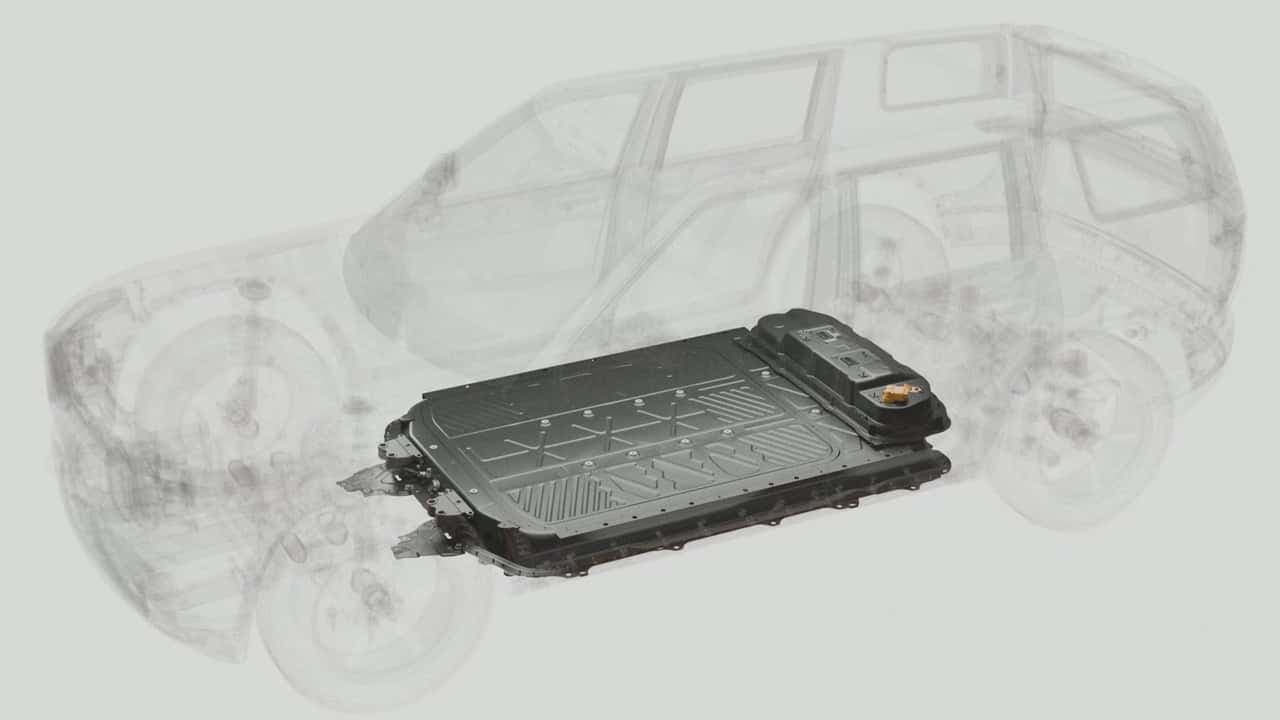
Industry observers remain cautious regarding the specifications likely to be presented at this second reveal. The original promise of a 620-mile range and a 200 kWh battery pack was made in a different era of battery chemistry. Current advancements in cell density and thermal management suggest that while the car may not require such a massive, heavy pack to hit its targets, the engineering challenges of keeping the vehicle light while maintaining "hypercar" performance remain significant.
Furthermore, the Roadster’s legacy is tied to its role as a "driver’s car." Whether this new iteration features advanced drive-by-wire systems, active aerodynamics, or even the wilder, rumored "flying" capabilities mentioned by Musk, the core task for Tesla is to produce a vehicle that functions effectively on the road while justifying its place in an increasingly crowded EV market. As the countdown to the livestream concludes, the automotive world waits to see if this second act can finally turn a decade of prototypes into a production reality.