Closing the Loop: Rivian’s Battery Evolution
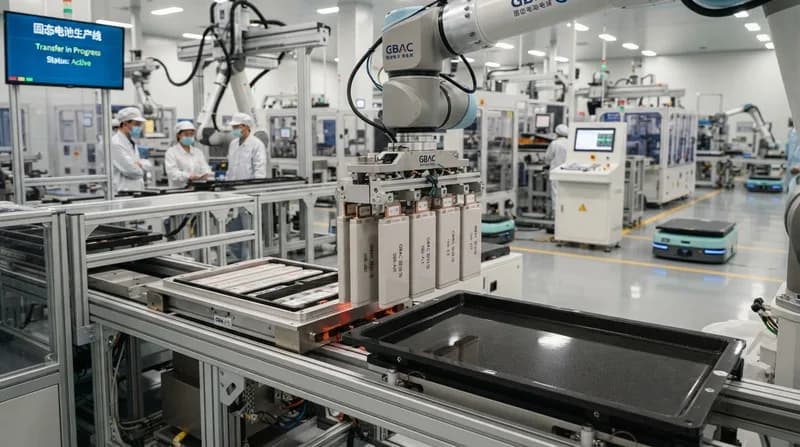
In a strategic move to optimize the lifecycle of electric vehicle components, Rivian has significantly expanded its collaboration with Redwood Materials, a leader in battery recycling and circular supply chain technology. This partnership marks a critical step toward creating a truly sustainable ecosystem where automotive waste is treated as a valuable resource rather than a liability. By integrating battery production scrap and end-of-life battery packs back into its operations, Rivian is setting a blueprint for how automakers can mitigate environmental impact while simultaneously lowering operational costs.
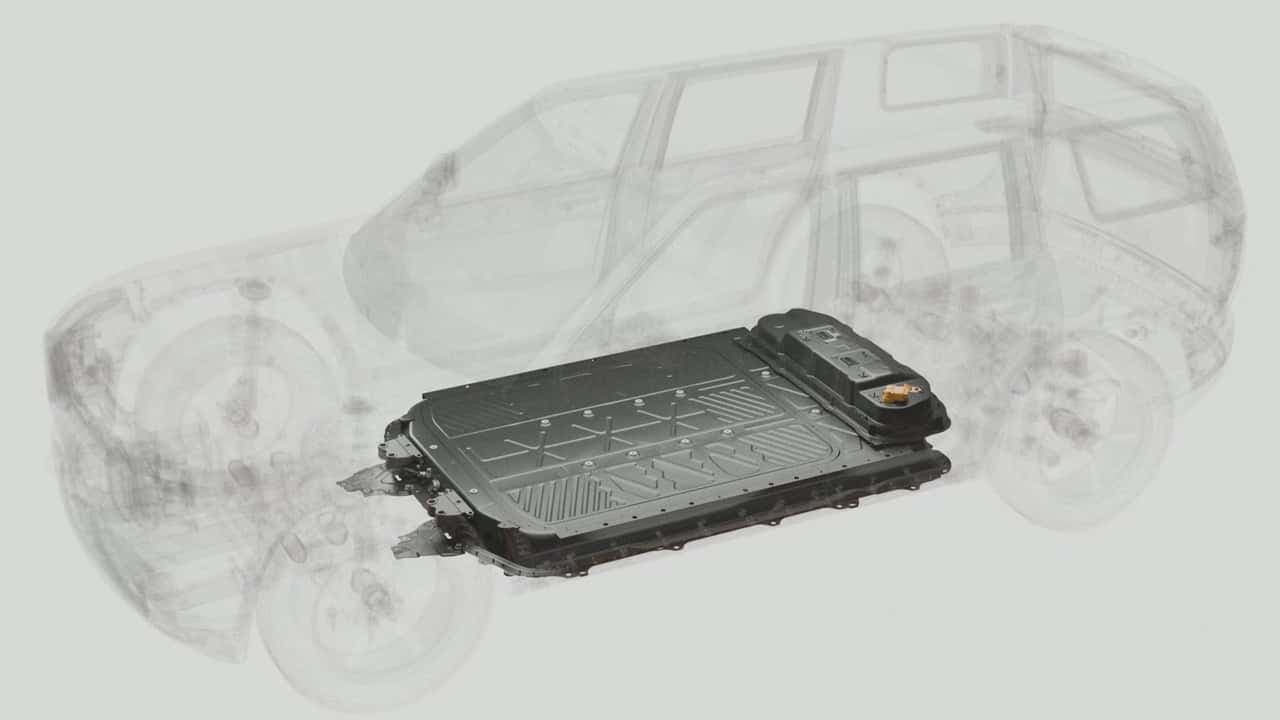
The centerpiece of this collaboration is the deployment of energy storage systems (ESS) at Rivian’s manufacturing facility in Normal, Illinois. By repurposing high-voltage battery packs that have aged past their prime for automotive use, Redwood Materials provides the factory with a robust, sustainable power solution. These stationary units allow the manufacturing plant to manage energy consumption more efficiently, effectively utilizing stored power when grid demand—and electricity prices—are at their peak.
The Multi-Stage Lifecycle Strategy
The process begins when Rivian identifies battery packs across its nationwide service network that are no longer suitable for powering vehicles. Rather than relegating these units to traditional recycling centers, they are sent to Redwood Materials for a rigorous evaluation. This triage process is essential for maximizing the value of every cell. Redwood’s team assesses whether a pack remains viable for “second-life” applications or if it has reached the point where material recovery is the only remaining path.
For packs that still house healthy modules, the potential is immense. These modules are repurposed into stationary energy storage systems, which are then deployed back into the infrastructure that created them. This keeps high-quality materials in the loop for as long as possible, delaying the need for destructive recycling while providing immediate grid stability and energy savings for Rivian’s production lines.
Why It Matters
- Resource Sovereignty: By recovering up to 95% of critical minerals like nickel, cobalt, copper, and lithium, the partnership reduces reliance on environmentally taxing mining operations.
- Energy Efficiency: Second-life battery integration allows for peak-shaving at manufacturing sites, helping to stabilize electricity costs during high-demand periods.
- Scalability: The ability for Redwood's ESS to integrate varied battery packs from different manufacturers suggests a scalable model that could eventually influence industry-wide standards for battery waste management.
The Path to Terminal Recycling
Inevitably, all battery cells eventually reach their end-of-life, where they can no longer store energy efficiently. In these instances, Redwood Materials employs advanced hydrometallurgical recycling processes to break down the packs into their constituent elements. This recovery rate of over 95% is a vital component of the strategy, as it ensures that the raw materials are essentially infinite in their utility, provided they are reclaimed properly.
By feeding these recovered materials back into the manufacturing cycle, Rivian effectively closes the loop on its battery production. This strategy not only aligns with global sustainability targets but also positions the company to better navigate the volatility of global commodity markets. As the demand for electric vehicles continues to rise, the ability to build, maintain, and eventually recycle vehicles using the same materials will be the ultimate competitive advantage for the next generation of automakers.