The Path to Half a Million
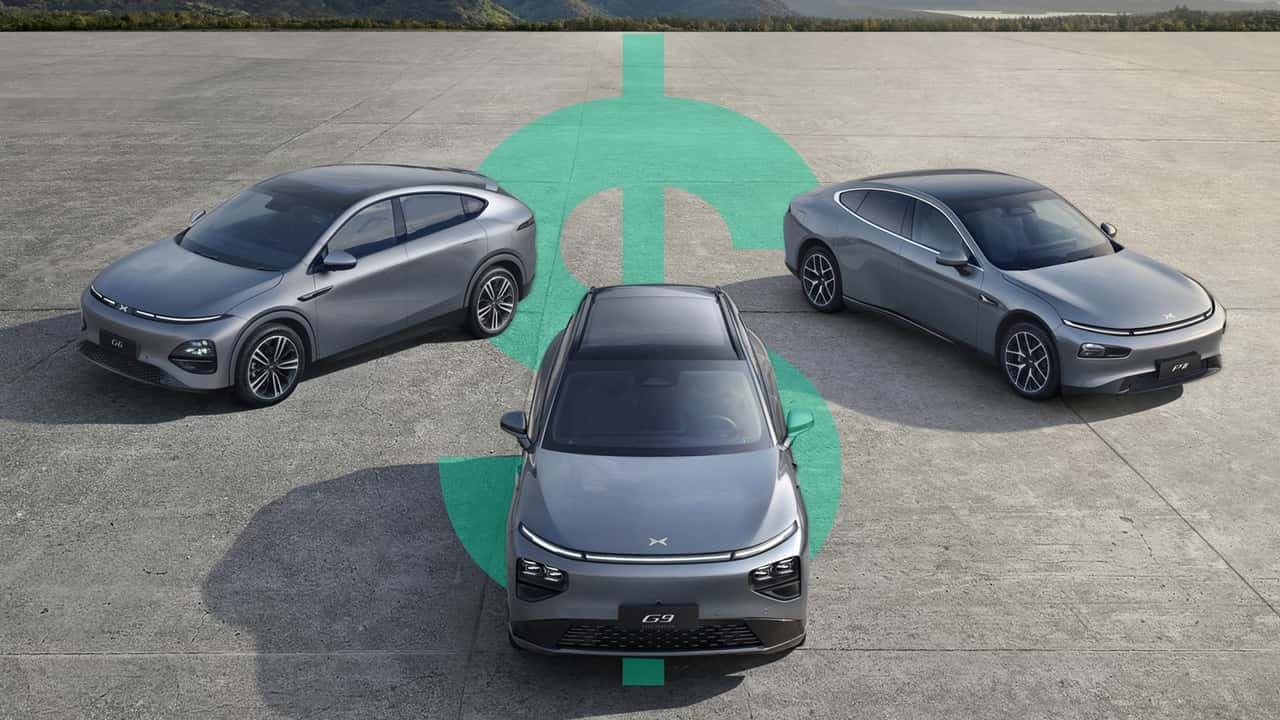
In a bold move that underscores the shifting tides of the global automotive industry, Chinese electric vehicle powerhouse Xpeng has outlined an aggressive expansion strategy targeting Europe. CEO He Xiaopeng recently disclosed that the company is aiming for 1 million total global deliveries by 2030, with a staggering 500,000 of those units expected to be sold within European borders. This target represents a monumental jump for the manufacturer, which has delivered approximately 60,000 vehicles in the region since 2020.
The scale of this ambition becomes clear when compared to current market dynamics. Last year, Ford recorded 426,000 vehicle sales in Europe, a figure that has seen a significant decline from its peak of roughly 1 million units annually a decade ago. By setting its sights on half a million sales, Xpeng is not merely hoping to compete; it is openly challenging the established dominance of legacy automakers that have spent over a century embedding themselves in the European automotive landscape.
The Manufacturing Imperative
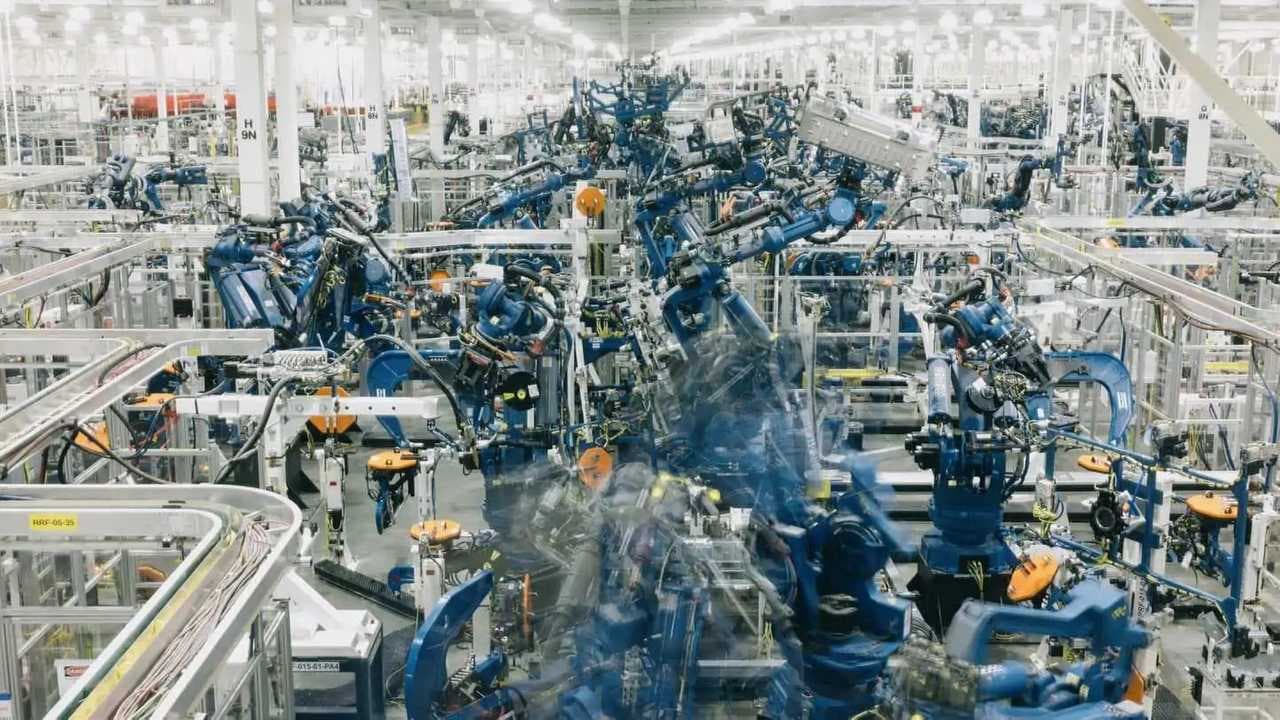
Scaling to such heights requires more than just consumer demand; it necessitates a robust local footprint. Currently, Xpeng does not operate its own dedicated European factory, relying instead on strategic partnerships. The company has contracted with Magna to assemble several of its models in Austria, a necessary step to navigate both logistical hurdles and the evolving regulatory environment.
New European Union regulations are becoming increasingly strict regarding "local content" requirements for electric vehicles. These mandates necessitate that a specific portion of a vehicle’s production occur within the bloc. As Xpeng’s Vice President Yeqing Zheng noted in recent discussions, current output levels via their partner are insufficient to meet the brand's long-term sales objectives. Consequently, Xpeng is actively exploring options to bolster its local manufacturing capabilities to comply with these rules and stabilize its supply chain.
Why It Matters
- Market Disruption: Xpeng’s success relies on the growing European appetite for tech-forward, high-value EVs, a segment where Chinese manufacturers are currently outperforming many domestic rivals.
- Regulatory Pressure: The transition to local manufacturing is a critical barrier to entry that will determine which international players survive the EU’s changing import landscape.
- Shift in Power: If Xpeng successfully outsells Ford in Europe, it would serve as a symbolic end to the era where legacy Western brands automatically dominated the market share of major regional economies.
Strategic Outlook and Implications
Whether Xpeng can translate this vision into reality depends on its ability to maintain its competitive edge in technology and price. The company has gained traction in Europe by offering vehicles that are perceived as more advanced and affordable than local alternatives. However, as the European automotive sector pivots toward protectionist policies and more rigorous import standards, the transition from being a niche importer to a major regional player will require significant capital expenditure in infrastructure.
The race to 2030 is officially on. While Ford’s historical foothold is deep, the rapid adoption of electric mobility has leveled the playing field, allowing newer, leaner companies to capture market share at an unprecedented velocity. For Xpeng, the next five years will be defined by their ability to scale manufacturing, navigate trade politics, and convince the European consumer that their future belongs to a brand that didn't exist two decades ago.