The Price Shift in Public Charging
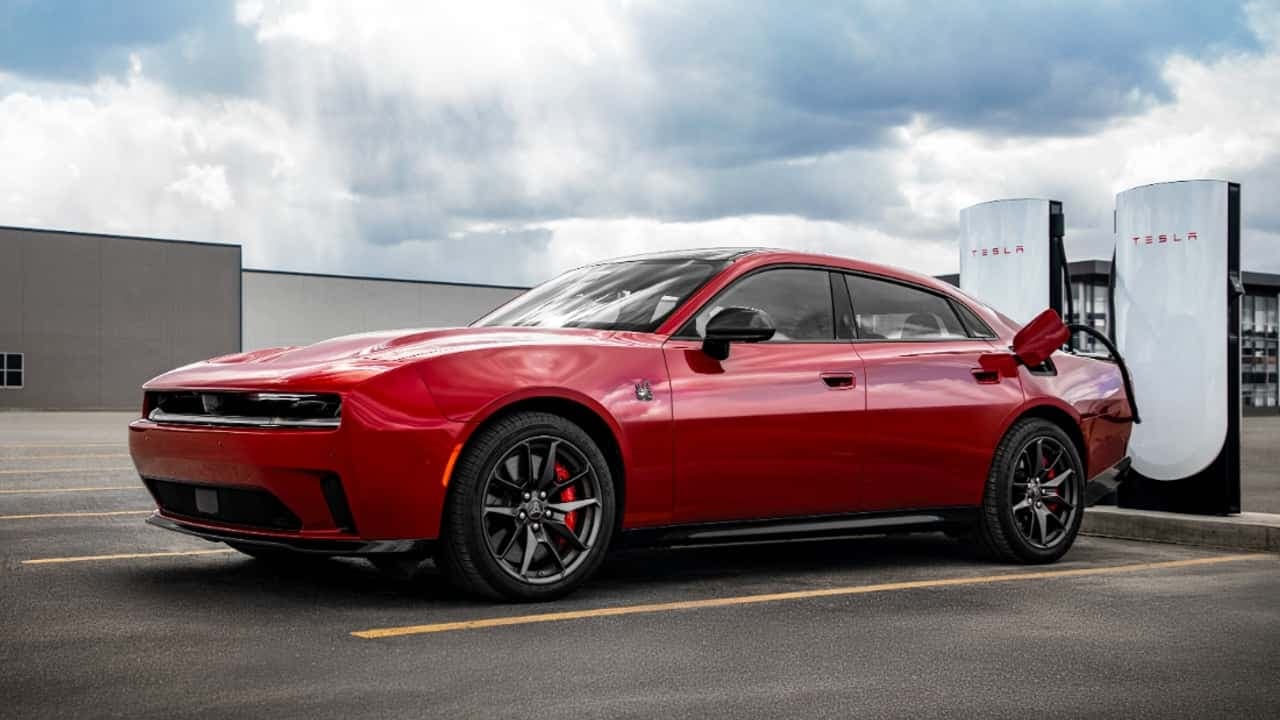
For years, Tesla’s Supercharger network stood as a beacon of reliability and competitive pricing, serving as the gold standard for the electric vehicle experience. However, recent data from the Q3 US EV Fast Charging report indicates that the cost of this convenience is on the rise. Over the past year, Tesla’s average non-member pricing for Supercharging has increased by 15%, bringing the cost for non-Tesla owners to approximately $0.569 per kilowatt-hour (kWh). Even for those utilizing a membership subscription, costs have crept upward by roughly 9%, settling at $0.396 per kWh.
While a 15% jump sounds significant, the context of the broader market provides a clearer picture. Tesla is essentially moving its pricing closer to industry norms rather than operating in a bubble of luxury. For a significant period, the national average for non-Tesla fast chargers remained stagnant at roughly $0.533 per kWh. Tesla’s strategic price adjustments have nudged the total industry average upward by about 2%, reaching $0.540 per kWh. When translated to real-world impact, a standard 60 kWh charging session now costs roughly $4.50 more than it did previously—a marginal increase for the average driver, especially when considering that the vast majority of EV charging still occurs in residential settings.
The Dual Role of Capital Expansion
The upward trajectory in pricing is intrinsically linked to Tesla's aggressive infrastructure growth. Maintaining the world’s most extensive fast-charging network requires massive capital investment, and the revenue generated from these higher rates helps fund the installation of new ports. In the last quarter alone, Tesla successfully deployed 1,287 new Supercharging ports, significantly outstripping competitors such as Ionna and Walmart. This commitment to scale remains Tesla’s most potent competitive advantage in a cooling market.
However, sheer volume does not guarantee market dominance. As public infrastructure matures, the playing field is becoming increasingly crowded. Recent analysis shows that while Tesla is expanding at record speeds, the collective growth of its rivals has begun to outpace the Supercharger network. Tesla’s total share of the U.S. fast-charging market has shifted from 54.3% to 49.3% over the last year. This dilution of market share suggests that while Tesla remains the leader in capacity, the charging sector is moving toward a more decentralized, competitive future.
Why It Matters
- Price Normalization: Tesla is aligning its Supercharging costs with the national average, ending a long period of aggressive undercutting of third-party networks.
- Network Sustainability: Revenue from these price increases is directly tied to the massive capital expenditure required to maintain the lead in port deployment.
- Market Dynamics: With rival charging networks collectively installing more hardware than Tesla, the long-term infrastructure war is shifting from a monopoly to a fragmented, competitive landscape.
The Long-Term Outlook
As the industry looks toward 2026 and beyond, the economics of public charging will continue to fluctuate. While EV owners might feel the pinch at public stalls, the growth in physical hardware remains a win for the overall transition to electric mobility. The transition from a proprietary ecosystem to a universal one, combined with the increasing entry of major retail and tech players into the charging space, ensures that the convenience of "plug-and-charge" will only become more ubiquitous, even if the price per kilowatt-hour remains a variable for the consumer.