A New Chapter in Alzheimer's Research
For decades, the scientific community has been singular in its pursuit of amyloid beta as the primary architect of Alzheimer's disease. Billions of dollars in research funding and over 400 clinical trials have centered on the hypothesis that targeting these specific protein deposits could halt or reverse the neurodegenerative condition. However, with limited clinical success and ongoing challenges in treatment efficacy, researchers at the University of California, Santa Cruz are now suggesting that the medical community may have been missing a crucial player: a peptide known as P3.
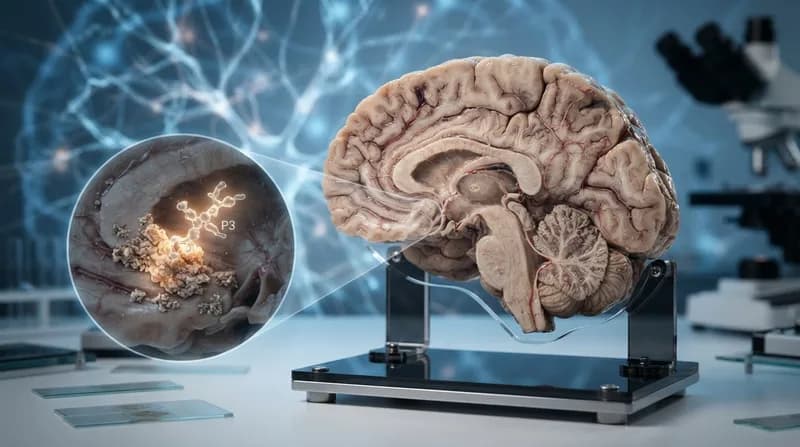
Long categorized as a harmless byproduct of the amyloid precursor protein (APP) processing pathway, P3 has historically been dismissed by researchers who believed it was incapable of forming toxic aggregates. Recent investigations, however, are painting a much more complex picture. Professor Jevgenij Raskatov, a specialist in peptide chemistry, argues that P3 is far from an innocent bystander. His laboratory's findings suggest that P3 can actually form amyloid-like fibrils even faster than amyloid beta, effectively challenging a foundation of current Alzheimer's research.
The Re-Evaluation of P3
The distinction between amyloid beta and P3 lies in how they are produced. While amyloid beta is formed through a specific enzymatic sequence, P3 emerges when the amyloid precursor protein is cleaved by alpha-secretase followed by gamma-secretase. Because P3 was long assumed to remain soluble and nontoxic, it never received the rigorous investigation afforded to its more famous counterpart, A-beta. Raskatov has proposed a new nomenclature for the peptide, calling it "Amyloid alpha" (A-alpha), to reflect its capacity for aggregation and potential role in neurotoxicity.
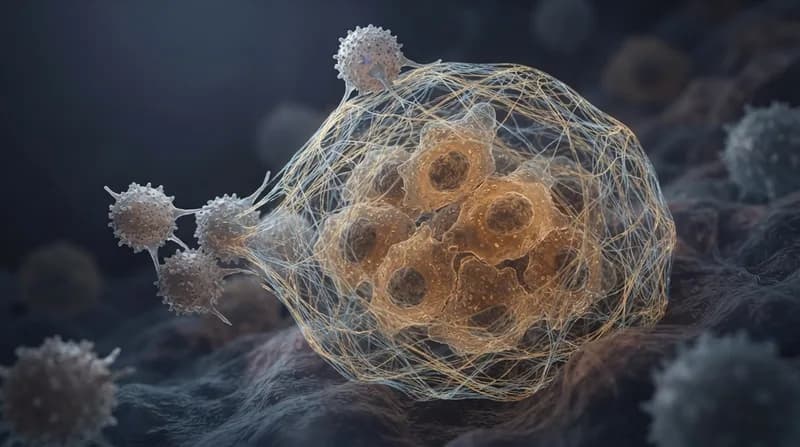
Over the last five years, Raskatov’s team has conducted extensive experiments that debunk the long-standing belief that P3 is biologically inert. Their research indicates that P3 not only aggregates more readily than amyloid beta but may also interact directly with existing amyloid beta deposits. This interplay could be the key to understanding why current therapies have consistently struggled to provide long-term patient relief. By ignoring this dynamic, the field may have been inadvertently pursuing an incomplete map of the disease's progression.
Why it Matters
- Beyond the Amyloid Hypothesis: The discovery suggests that Alzheimer's is likely a multifactorial issue that cannot be solved by targeting a single peptide.
- Redefining Toxicity: If P3 contributes to nerve cell damage, future drugs must potentially account for both A-beta and A-alpha to be effective.
- Course Correction: The research underscores the importance of revisiting "settled" science, as even foundational assumptions can sometimes be rooted in outdated or unverified interpretations.
Implications for Future Therapy
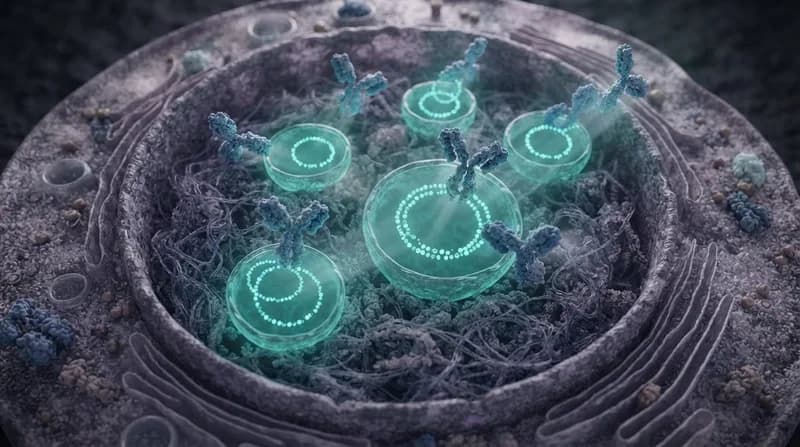
The implications of this discovery are profound for the pharmaceutical industry. Currently, approved antibody treatments like Lecanemab and Donanemab focus on clearing amyloid beta from the brain. If P3 is indeed a contributor to the disease's pathology, it may explain why these treatments, while helpful, fall short of providing a permanent cure. Integrating P3 into the research framework represents a fundamental shift in how scientists approach drug discovery for neurodegenerative conditions.
Perhaps most concerning to researchers is the discovery of "grand confusion" within the literature. Raskatov identified multiple peer-reviewed papers that cited his team’s earlier work as evidence that P3 was harmless—the exact opposite of what the data actually demonstrated. This highlights a systemic need for more careful re-evaluation of historical data. As independent groups in the UK and elsewhere begin to validate these findings, the scientific community faces a growing mandate to look past the decades-old monopoly of amyloid beta and embrace a more holistic view of the biological mechanisms damaging the human brain.