A New Understanding of Viral Transmission
For decades, the medical community has viewed mosquito saliva primarily as a delivery vehicle—a simple lubricant that facilitates the transfer of viruses from insect to host. However, a major collaborative study involving researchers from the IRD, CNRS, the University of Montpellier, and Mahidol University has fundamentally shifted this perspective. Their research, published in Nature Communications, suggests that mosquito saliva is far more active than previously imagined, functioning almost like a biological key that helps viruses unlock and establish an infection in the human body from the very second of a bite.
Orthoflaviviruses, including Zika, dengue, and West Nile, affect approximately 500 million people annually, yet we have struggled to develop universal treatments or vaccines. The team focused on a specific viral RNA component—known as sfRNA—present in the saliva of infected mosquitoes. This study reveals that this RNA does not just hitch a ride into the host; it actively suppresses the body’s innate immune response at the crucial, early stage of transmission.
The Role of sfRNA in Immune Evasion
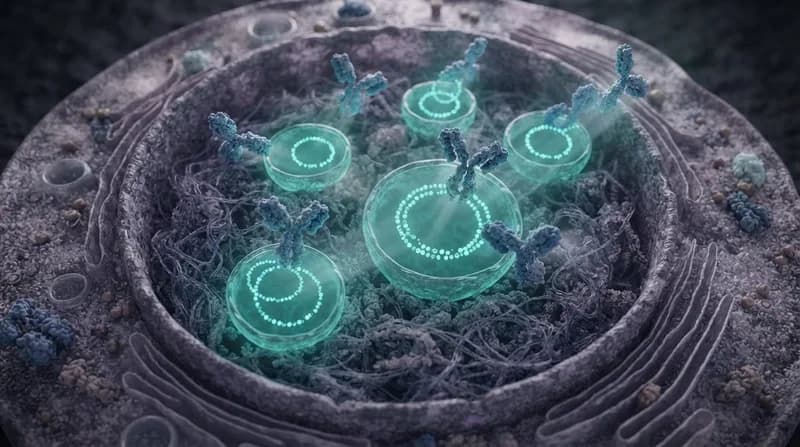
When a human is bitten, the body’s natural defense system typically rushes to detect the intruder and prevent viral replication. The research team discovered that sfRNA, delivered via the saliva, acts as an inhibitor to this response. By dampening the early interferon response, which serves as the body's first line of defense, the virus gains a critical head start. Essentially, the saliva "sets the stage," granting the virus more time to take hold and begin proliferating before the immune system can mount a coordinated attack.
Crucially, this mechanism appears to be a shared trait across different viral families and mosquito species. The researchers observed this exact process in both the West Nile virus (transmitted by common Culex mosquitoes) and the Zika virus (carried by Aedes tiger mosquitoes). The correlation was clear: higher concentrations of sfRNA in the saliva translated directly to a stronger, more successful infection rate within the host. This universality suggests that the virus has evolved a clever, conserved strategy to manipulate its hosts, regardless of the specific disease variant.
Future Implications: The Flavivaccine Strategy
This discovery changes the landscape of preventative medicine by shifting the focus from the individual virus to the mechanism of transmission itself. Rather than trying to design separate vaccines for dengue, Zika, and West Nile, researchers are now looking toward a singular, pan-viral prevention strategy. By targeting the sfRNA compound, scientists believe they can create a vaccine that renders the body resilient to this "immune-blocking" trick used by various orthoflaviviruses.
Why it Matters
- Universal Targets: Identifying a shared mechanism allows for a "one-size-fits-most" approach to vaccine development against multiple mosquito-borne diseases.
- Early Intervention: Stopping the infection at the bite site—before it can spread through the bloodstream—could drastically increase the efficacy of preventative treatments.
- Global Health Impact: These diseases disproportionately impact tropical and subtropical regions in the Global South; focusing on transmission-level prevention offers a scalable solution for vulnerable populations.
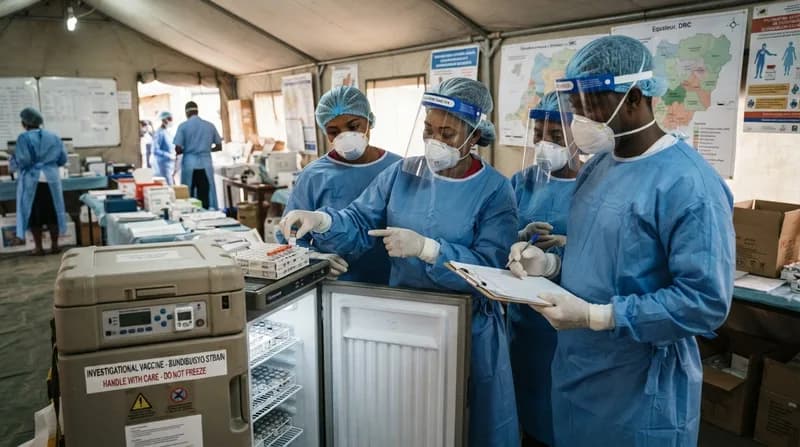
As part of the Horizon Europe FLAVIVACCINE project, the researchers are currently working to translate these laboratory findings into clinical-scale applications. While there is still significant work ahead to optimize these vaccines for human safety and efficacy, this shift in research focus marks a massive leap forward in our ability to combat diseases that have plagued humanity for centuries.