A New Frontier in Orthopedic Care
For millions living with the debilitating effects of knee osteoarthritis, the path to pain relief has long been limited to a binary choice: manage symptoms with physical therapy and medication or face the daunting prospect of total joint replacement surgery. However, a significant medical advancement published in the journal Radiology is now offering a compelling middle ground. A minimally invasive technique known as genicular artery embolization (GAE) has shown the potential to provide substantial, lasting pain relief without the need for invasive cutting or prosthetic implants.
This innovative procedure tackles the pathology of arthritis from a vascular perspective. Osteoarthritis is often accompanied by the growth of abnormal blood vessels—a condition known as hypervascularity—within the synovium of the joint. These vessels not only foster inflammation but also create a pathway for sensory nerves to signal chronic pain to the brain. By utilizing superselective embolization, interventional radiologists can target these specific, problematic vessels, effectively dampening the inflammatory environment while leaving the knee’s essential blood flow intact.
The Science of Resorbable Microspheres
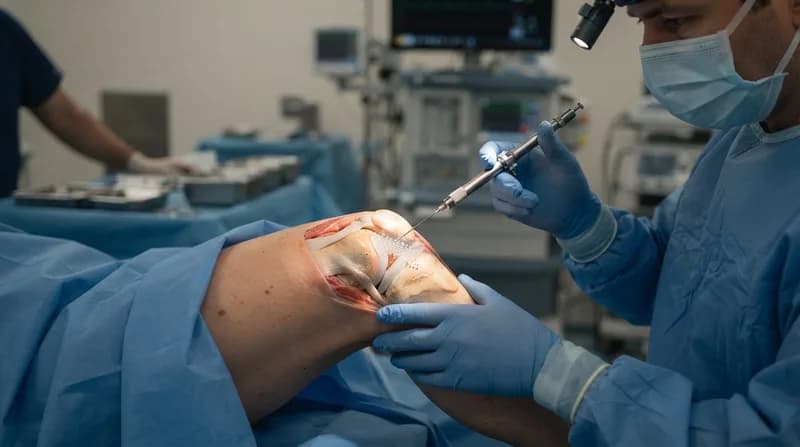
The core of this breakthrough lies in the use of specialized, rapidly resorbable gelatin-based microspheres. During the procedure, a thin catheter is navigated through the patient's arterial system to the knee. Once in place, these microscopic particles are injected to block the aberrant blood vessels. Unlike permanent blocking agents used in other medical procedures, these gelatin spheres are engineered to dissolve within just a few hours. This allows for precise, temporary interruption of the pathological neurovascular environment, providing a reset that modulates the joint’s chemistry without leaving permanent foreign material behind.
Why it matters
- Non-Surgical: GAE avoids the risks and long recovery times associated with traditional total knee arthroplasty (knee replacement).
- Durability: Recent data indicates that 80% of patients experienced clinically significant pain relief that lasted for at least one full year.
- Safety: In a clinical trial involving 239 procedures, no moderate or severe adverse events were reported, confirming the technique’s high safety profile.
- Functional Gains: Beyond simple pain reduction, participants showed marked improvements in daily activities, such as stair climbing and walking, as well as an overall boost in quality of life.
Real-World Clinical Success
The research, which involved 194 patients with a median age of 69, suggests that this treatment is particularly effective for those who have exhausted conventional options like intra-articular injections and physical therapy but are not ideal candidates for surgery. The study results were striking: the median pain score on the 0-to-10 Numeric Rating Scale dropped from 7 down to 3, with these improvements remaining stable at the 12-month follow-up mark. Furthermore, standardized assessments for physical function, sports, and recreation showed consistent upward trends throughout the study period.
While the medical community continues to investigate whether this procedure can slow the actual progression of joint cartilage decay, the immediate clinical benefits for the patient are undeniable. As interventional radiology continues to evolve, this technique stands out as a promising, patient-centric solution that addresses the “treatment gap” currently faced by millions of adults worldwide. By normalizing the neurovascular environment of the knee, GAE is providing a new lease on life for those who previously believed that surgical intervention was their only remaining hope.