A Paradigm Shift in Reproductive Biology
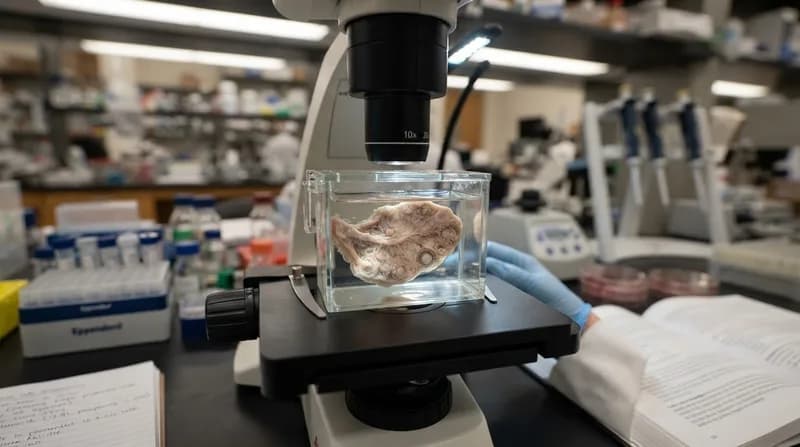
For generations, the medical consensus surrounding the postmenopausal ovary has been one of functional retirement. Much like the appendix, it was long considered a vestigial organ—an innocent bystander that ceased all meaningful activity once its primary role in reproduction concluded. However, groundbreaking research from Northwestern University and the Buck Institute for Research on Aging has effectively dismantled this assumption. The study, published in the journal Aging Cell, reveals that the ovary remains a biologically active, dynamic organ that continues to undergo structural remodeling decades after menopause.
By examining tissue samples from 28 women, researchers discovered that rather than sitting stagnant, the ovaries of postmenopausal women exhibit significant molecular changes that evolve with age. This discovery suggests that the organ may play a far more complex role in systemic aging and chronic health conditions than previously understood. As women live longer, the implications of this 'hidden' activity are becoming increasingly vital for understanding long-term health trajectories.
The Proteomic Evidence of Ongoing Activity
To move beyond the limitations of standard hormone analysis, the research team employed high-resolution proteomics to map the molecular composition of ovarian tissue. By analyzing 5,812 protein groups across a 25-year postmenopausal window, the scientists identified clear, age-related patterns. Younger postmenopausal ovaries were characterized by proteins dedicated to cellular maintenance and structural integrity. In contrast, ovaries from women aged 70 and older displayed a marked increase in proteins associated with inflammation, immune system modulation, and active tissue remodeling.
This transition is not subtle. The data indicates that the organ slowly loses its 'original identity' as it ages, shifting into a state of chronic, low-level inflammation. This environment mirrors the characteristics of cellular senescence, where cells stop dividing but remain metabolically active, secreting signals that can affect the surrounding tissue. This ongoing process indicates that the ovary does not simply 'shut down,' but instead enters a different, highly active biological phase.
Why It Matters: Inflammation and Cancer Risk
The discovery of sustained remodeling offers a crucial new perspective on the development of ovarian cancer. Researchers have long known that cancer cells thrive in environments characterized by stiffness and fibrosis. The team’s findings show that as postmenopausal ovaries age, they become increasingly fibrotic and inflamed. While the samples studied were cancer-free, they contained higher levels of proteins previously linked to ovarian cancer, particularly in women in their 60s.
This alignment suggests that the aging ovary might serve as a 'third hit' for cancer development—building on an existing foundation of genetic predisposition and environmental factors. By identifying these molecular markers, scientists may eventually be able to develop new, targeted biomarkers for early detection or even therapeutic interventions that lower cancer risk without the need for elective surgery, which remains a complex and debated clinical decision.
Future Directions and Clinical Implications
- Systemic Influence: The study raises the possibility that the ovary acts as a signaling hub that influences bone health, brain function, and overall systemic aging.
- Reevaluating Clinical Care: The findings prompt a critical re-examination of whether postmenopausal ovarian activity is beneficial, neutral, or harmful, potentially changing how surgeons and oncologists approach ovarian tissue in the future.
- Dynamic Modeling: The ability to map these proteomic changes provides a roadmap for future research into how non-reproductive organs contribute to the aging process across the human body.
Ultimately, this research invites a more nuanced understanding of female physiology. The postmenopausal ovary, far from being a dormant remnant of youth, emerges as a hub of ongoing biological activity that may hold the key to better understanding both the aging process and the mechanisms of disease susceptibility in older women.