Establishing a Strategic European Footprint
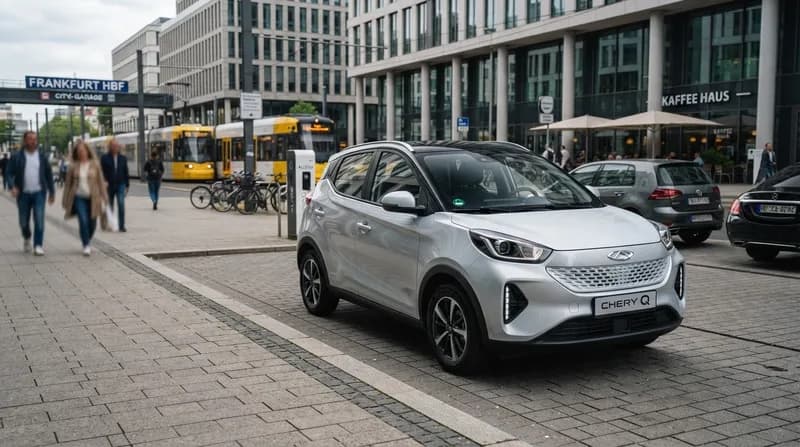
Chery, the automotive giant that has held the title of China’s top passenger car exporter for over two decades, is making a calculated push into Germany. As part of its broader international expansion, the manufacturer is currently establishing its German headquarters in Frankfurt am Main. This hub will serve as the nerve center for the core Chery brand, as well as its specialized sub-brands, Omoda and Jaecoo. This move follows the successful establishment of a European Operations Center in Barcelona earlier in 2026, signaling the company's long-term commitment to the continent.
While Chery has already gained traction in markets such as Spain, Poland, and the UK, it is treating the German market with a level of strategic caution. According to company leadership, Germany represents a uniquely demanding environment, requiring the highest standards in product quality and customer service. To meet these expectations, the company plans to launch with a network of 30 partner dealerships in 2027, with ambitions to scale to at least 100 locations by the end of that year. This physical retail strategy underscores a desire to build brand trust through traditional, localized sales channels.
The Chery Q: A New Electric Contender
The centerpiece of Chery’s zero-emission strategy for the EU is the Chery Q, a compact electric vehicle designed specifically for city dwellers. With a length of 4.19 meters and a wheelbase of 2.70 meters, the car utilizes a space-efficient design that prioritizes interior comfort over bulk. The vehicle offers a practical boot capacity of 375 liters, supplemented by an additional 70-liter 'frunk' located under the front bonnet, highlighting the clever packaging typical of dedicated EV platforms.
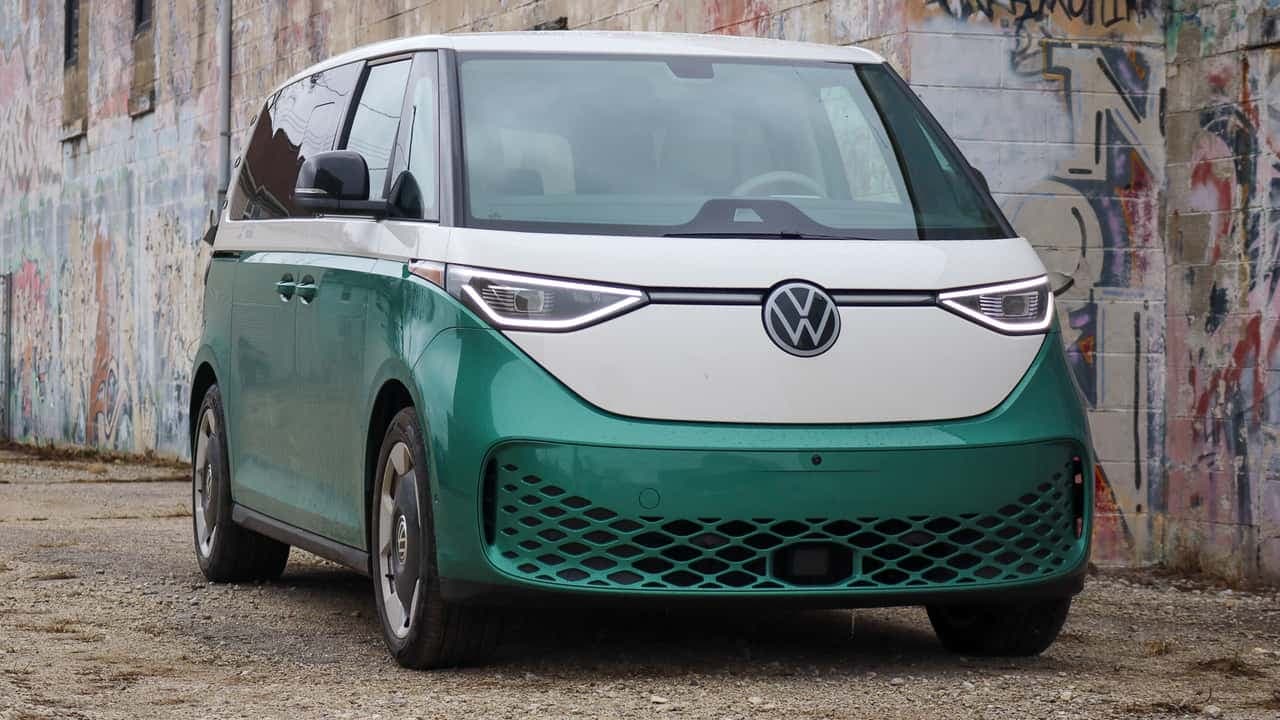
Performance-wise, the Chery Q is equipped with an 89 kW motor paired with a 41 kWh battery pack. While official WLTP range figures are currently pending, the vehicle is aimed squarely at the entry-level electric market, positioning itself as a direct competitor to established European models like the Volkswagen ID. Cross. Furthermore, the inclusion of a Vehicle-to-Load (V2L) function adds a layer of modern utility, allowing owners to power external devices directly from the car's battery. Charging efficiency is also a key focus, with the manufacturer claiming a 30% to 80% charge time of approximately 17 minutes.
A Portfolio Built for Every Driver
Beyond the all-electric Q, Chery is maintaining a diversified powertrain approach to capture various segments of the German market. The brand's initial launch strategy is anchored by the Tiggo SUV family, which will debut as hybrid offerings. The lineup includes the Tiggo 4 full-hybrid, the Tiggo 7 (offered as both a full and plug-in hybrid), and the larger seven-seater Tiggo 8 and 9 models, both utilizing plug-in hybrid architectures. This comprehensive range is designed to cater to families, aligning with the brand’s core motto, "Chery. For Family."
Management has emphasized that the company does not view itself as a typical "newcomer" but rather compares its international ambitions and product quality to established players like Skoda and Hyundai. By separating its distribution and brand identity—keeping the main Chery brand for family-oriented vehicles while positioning Omoda for urban, progressive buyers and Jaecoo for the adventurous segment—the company aims to create a clear, tiered presence that resonates with the specific needs of European consumers.